
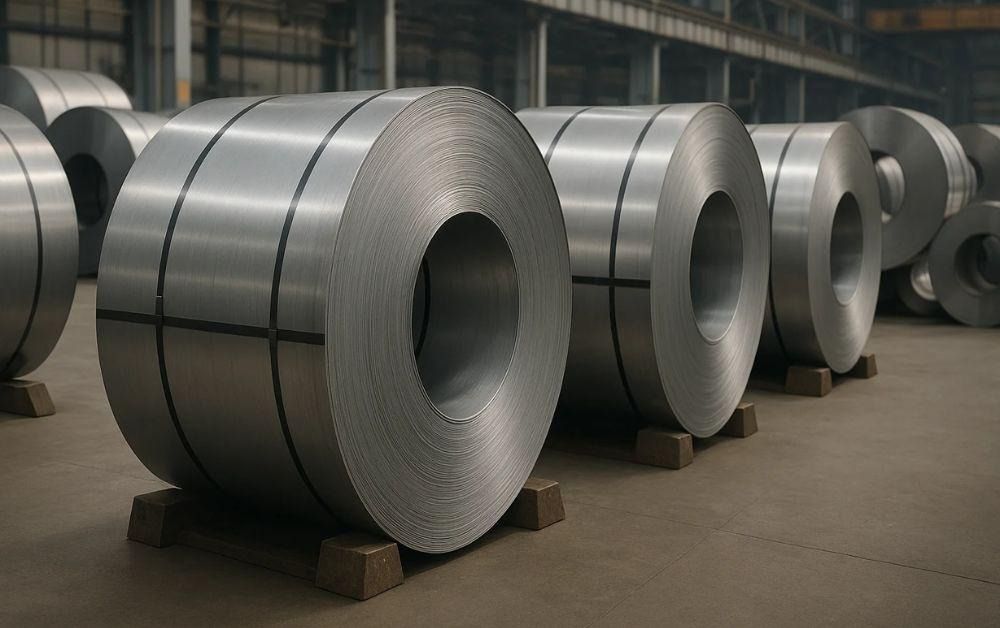
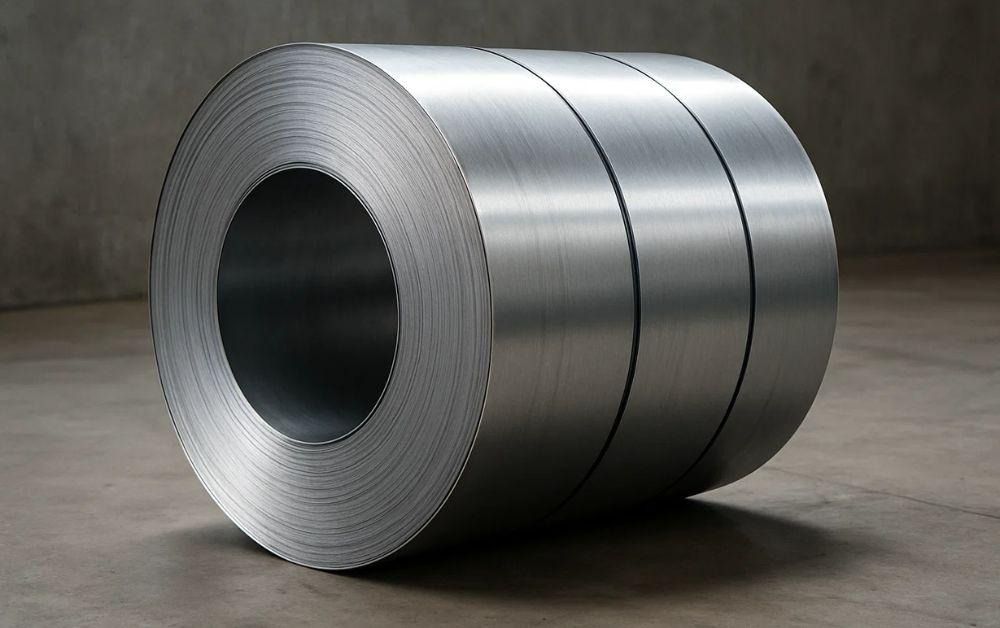
Shipbuilding is one of the most demanding industries, requiring materials that are strong, flexible, and capable of withstanding harsh marine environments. Among the essential materials, hot rolled Steel Coils stand out as a cornerstone of modern ship construction. Their durability, adaptability, and cost-effectiveness make them indispensable for building everything from cargo ships to naval vessels.
In this blog, we’ll explore how hot rolled Steel Coils are applied in different stages of shipbuilding and why they remain an industry favorite.
Why Hot Rolled Steel Coils Are Ideal for Shipbuilding
Hot rolled Steel Coils are produced by rolling steel at high temperatures, giving them unique mechanical properties such as toughness, ductility, and resistance to fatigue. These qualities make them particularly well-suited for shipbuilding, where materials must withstand not just heavy loads but also exposure to seawater, high pressure, and varying temperatures.
Key Benefits of Hot Rolled Steel Coils:
- High Strength: Ensures ships can handle extreme stress during voyages.
- Formability: Easily shaped into large plates and sections needed for hulls and decks.
- Cost-Effective: More affordable compared to many alternative alloys.
- Durability: Offers long-lasting resistance against wear and strain.
1. Ship Hull Construction
The hull forms the foundation of any ship, and hot rolled Steel Coils are extensively used to manufacture it. Since the hull is constantly exposed to seawater, strong and durable steel is required to prevent damage.
- Structural Integrity: Coils are processed into thick plates that form the outer shell of the ship.
- Corrosion Resistance: Special grades are often coated to minimize rust.
- Shock Absorption: The toughness of hot rolled steel helps ships handle rough seas.
Without reliable coils, hull construction would lack the necessary strength to ensure a ship’s longevity and safety.
2. Deck and Superstructure
Beyond the hull, the deck and superstructure are critical parts of a ship’s functionality. Hot rolled Steel Coils are used to create large, flat plates that make up these areas.
- Deck Plates: Provide strong, stable surfaces for crew and cargo.
- Superstructures: Steel plates and sections form the bridge, cabins, and operational areas.
- Load Distribution: Strong coils help distribute weight evenly across the vessel.
The adaptability of Steel Coils ensures these structures meet both safety and performance standards.
3. Bulkheads and Internal Structures
A ship’s internal strength relies heavily on bulkheads, partitions, and frames, all of which require robust materials. Hot rolled Steel Coils are an excellent choice for these components.
- Bulkheads: Provide watertight compartments, essential for safety.
- Frames and Reinforcements: Steel supports maintain the ship’s shape and prevent structural deformation.
- Compartments: Used in cargo holds, fuel tanks, and living quarters.
By offering both flexibility and strength, steel ensures internal ship structures can handle high pressures and loads.
4. Propulsion and Engine Room Components
The engine room is the heart of any vessel, requiring durable materials that can withstand heat, vibration, and continuous operation. Hot rolled Steel Coils are vital here as well.
- Casings and Covers: Steel plates form protective layers around engines and machinery.
- Supporting Frames: Heavy-duty coils ensure stability of propulsion systems.
- Piping and Ducts: Coils are fabricated into tubes for essential ship operations.
The toughness of hot rolled steel ensures that these components deliver performance without frequent maintenance.
5. Offshore and Specialized Vessels
In addition to cargo and passenger ships, hot rolled Steel Coils are extensively used in specialized vessels such as oil tankers, naval ships, and offshore rigs.
- Oil and Gas Carriers: Require extra-thick plates made from coils to handle volatile cargo.
- Naval Vessels: Demand high-strength steel for defense operations.
- Offshore Platforms: Rely on steel plates for long-term resistance to seawater and heavy loads.
This versatility highlights how integral hot rolled steel has become in specialized marine engineering.
Sustainability in Shipbuilding with Steel Coils
Modern industries are increasingly focusing on sustainability, and hot rolled Steel Coils contribute positively to this goal. Being recyclable, steel reduces waste and lowers the environmental impact of shipbuilding. Old ships can be dismantled, and their steel reused, creating a circular economy within the marine sector.
Conclusion
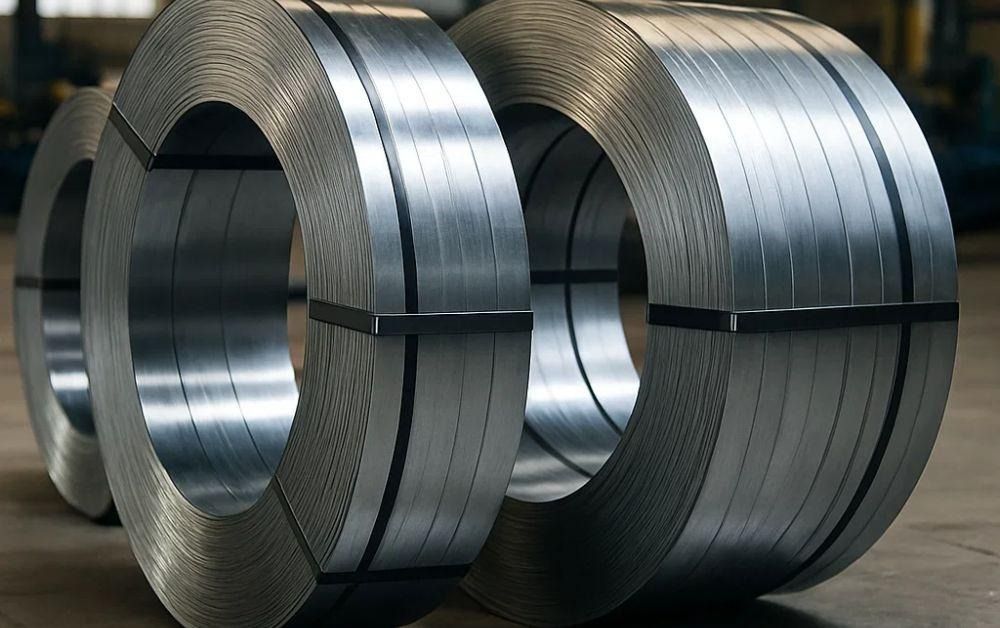
Hot rolled Steel Coils remain at the core of shipbuilding, powering applications from hulls and decks to bulkheads and engine room components. Their combination of strength, flexibility, and cost-efficiency ensures ships can endure harsh marine environments while maintaining safety and performance. For industries and contractors seeking high-quality steel solutions, one name that shines bright is SYDNEY METAL TRADING LLC, a trusted partner in delivering excellence to the shipbuilding sector and beyond.