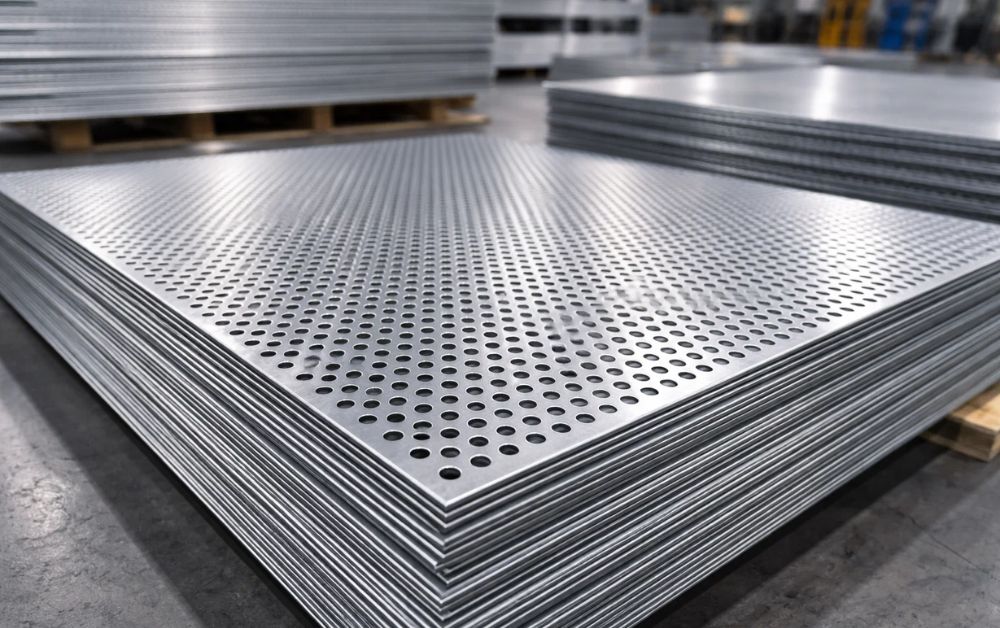
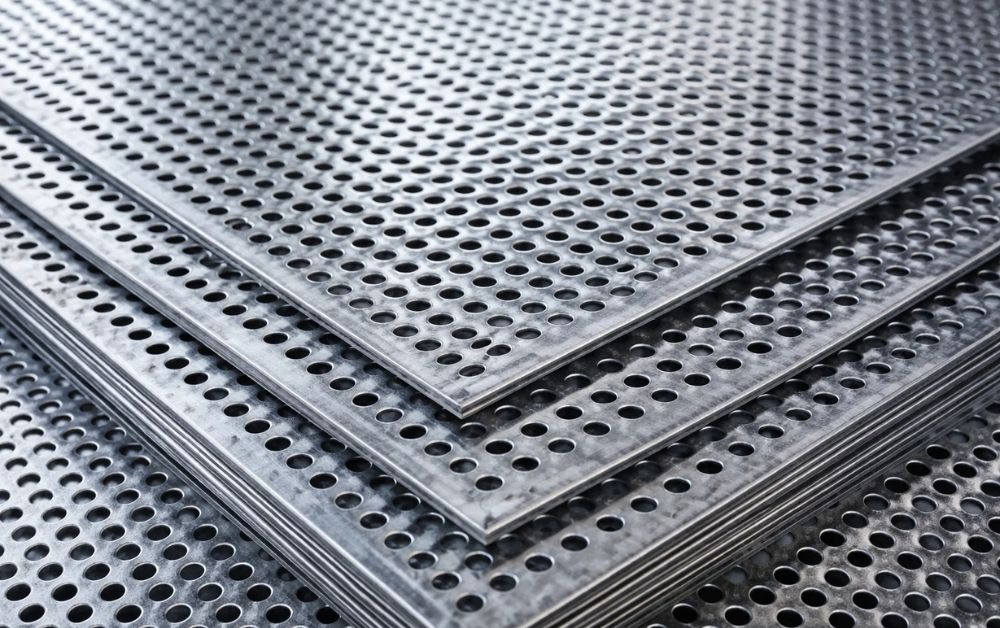
When it comes to construction projects in the UAE, picking the right perforated metal sheet thickness is absolutely key. Whether you are working on residential buildings, commercial complexes, or large industrial projects, metal sheets are used everywhere—roofing, cladding, flooring, & even as structural support. But choosing the wrong thickness can lead to safety issues, higher costs, or long-term problems. So, it is essential to understand how the thickness affects strength, durability, & performance to get it just right for your project.
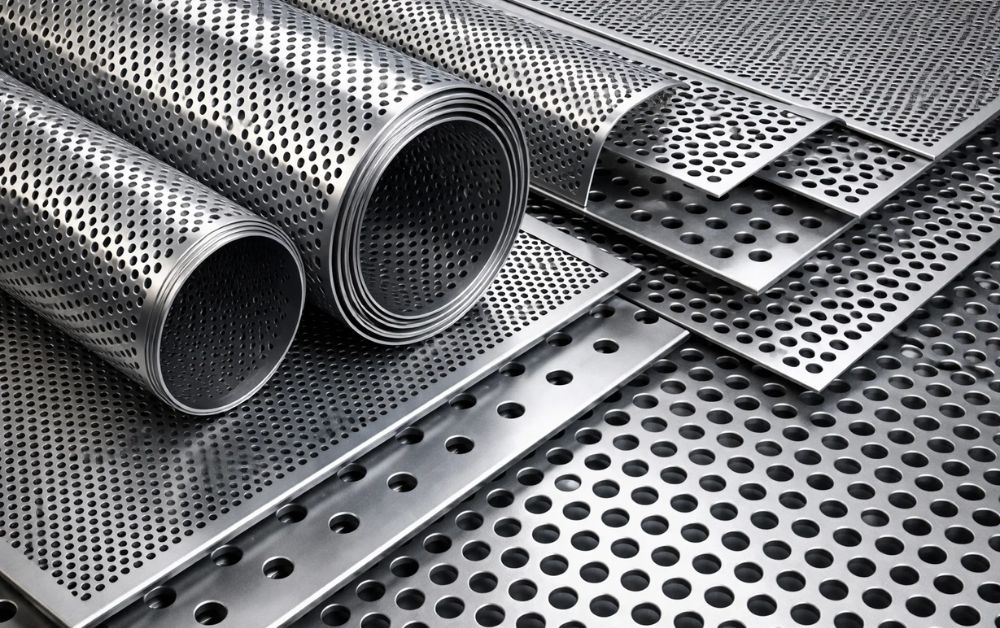
Why Thickness Makes All the Difference
The thickness of a metal sheet affects how well it holds up under stress, the weather, and regular wear and tear. Thicker sheets offer more strength and better resistance to impacts, while thinner sheets are more flexible & lighter on the budget for less demanding applications.
In the UAE, where the environment can be tough on materials, selecting the right thickness is all about finding the right balance between:
- Structural safety: ensuring the metal can bear the load
- Climate resistance: dealing with extreme heat, humidity, and sandstorms
- Budget: finding the right balance between cost and quality
- Application: knowing what the metal will be used for
If you don’t get this balance right, it could lead to wear and tear too soon, or worse, structural failure down the line.
Understanding Metal Sheet Thickness
In construction, metal sheet thickness is usually measured in millimeters or gauges. A lower gauge number means the sheet is thicker, while a higher number means it is thinner. For precision, mainly in the UAE, millimeter measurements are the way to go.
Here is a quick guide to typical thicknesses:
- Thin sheets: For cladding or decorative panels
- Medium sheets: For roofing and partitioning
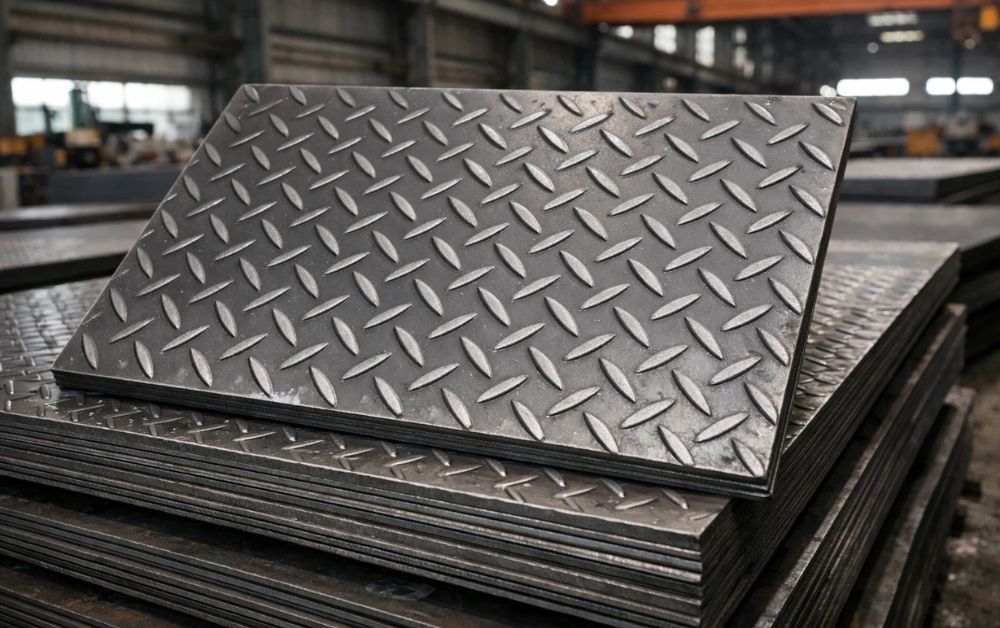
- Heavy-duty sheets: For things like flooring, platforms, and structural components
Knowing the general thickness ranges early in the planning phase helps narrow down the options and avoid wasting time.
Considering the Load on Your Structure
One of the most important things to think about when choosing metal sheet thickness is the load-bearing capacity. Every part of the building is going to face different stress levels—some will bear the weight of the structure itself; others will be affected by movement or machinery.
For example:
- Flooring and platforms: These need thicker sheets to handle the weight.
- Roofing panels: Thinner sheets are fine if the structure has strong support underneath.
- Industrial applications: These often need thicker sheets to support heavy machinery.
The key is to match the thickness to the load needs to keep everything safe & durable.
The UAE Climate: A Factor You Can’t Ignore
The UAE’s climate is tough—extreme heat, humidity near the coast, & the occasional sandstorm can all take a toll on materials. Thicker metal sheets are generally better at:
- Resisting heat warping
- Fighting corrosion (especially with the right treatment)
- Handling environmental stress
But just thickness alone won’t do it. It’s crucial to also consider the material type, coatings, and finishes to make sure it performs well long term in such a harsh environment.
Picking the Right Thickness for Specific Jobs
Not all parts of your project need the same thickness. For example, using a super-thick sheet for a non-load-bearing wall would just be overkill. Here’s a breakdown of common uses:
- Roofing and cladding: Needs sheets that strike a balance among weight and flexibility.
- Wall panels: Moderate strength is usually enough.
- Staircases, walkways, and flooring: These need stronger, more durable sheets to withstand foot traffic and wear & tear.
Choosing the correct thickness for specific application is a great way to make sure everything runs smoothly without overspending or underperforming.
Balancing Cost with Performance
It is true—thicker metal sheets generally offer better strength, but they come with a higher price tag. You don’t want to overspend on something that doesn’t need that level of durability.
To get the balance right:
- Use thicker sheets only where the structure needs them (like flooring or heavy-duty applications).
- Go for thinner sheets for non-load-bearing stuff (like decorative cladding).
- Ask suppliers about more affordable alternatives that still give you what you need.
This way, you keep costs in check without cutting corners on quality.
Following the Rules: Codes and Standards
In the UAE, there are strict regulations that your construction project needs to meet. These guidelines often specify the minimum thickness needed for different types of metal work to ensure everything is safe and durable.
Following these rules means:
- You won’t run into delays or issues with inspections.
- The building’s structural reliability improves.
- The project will be accepted without issues during final approval.
Experienced suppliers can help you navigate these standards & choose materials that fit the bill.
The Impact on Fabrication and Installation
The thickness of the metal sheets you choose also affects how they’re fabricated and installed. Thicker sheets require stronger equipment to cut, bend, & weld, which can impact timelines & labor costs.
Things to think about:
- Handling and transportation: Heavier sheets mean more careful handling.
- Compatibility with fastening systems: Some systems work better with thicker sheets.
- On-site adjustments: Thicker sheets may require more effort to make changes on-site.
Choosing the right thickness can make installation easier and reduce the risk of delays or mistakes.
Long-Term Durability and Maintenance
Thicker metal sheets tend to stand up better to wear & tear, dents, & corrosion, mainly in high-traffic or industrial areas. This means fewer repairs & lower maintenance costs down the road.
For projects that are meant to last a long time, spending a little more on thicker sheets upfront can save you a lot of hassle—& money—later on.
Partnering with the Right Supplier
Picking the right metal sheet thickness is a lot easier when you work with a knowledgeable supplier who understands the unique demands of construction in the UAE. They can guide you based on your project’s specific needs—whether that is load requirements, environmental factors, or just making sure everything’s up to code.
An experienced supplier aids you avoid mistakes like picking the wrong thickness for a certain job or overspending on unnecessary materials.
Conclusion
Choosing the right metal sheet thickness is crucial for ensuring safety, durability, & cost efficiency in construction projects across the UAE. By considering factors like load, climate, application type, & compliance with standards, you can make informed decisions that will pay off in the long run. Partnering with reliable suppliers like Sydney Metal Trading LLC ensures you get the best materials for your project—helping you create structures that are safe, reliable, and built to last.