Perforated Metal Sheet is one of the best materials to use in the construction, industrial, and architecture fields due to its versatility, functionality, and attractiveness. Perforated sheets, be it on facade design, air filtering systems, machine guards, or decorative interior features, are important factors, such as sizes, patterns, and materials, that will be important in making informed decisions. Being a reliable partner, Sydney Metal Trading LLC can offer the UAE market a wide variety of high-quality steel and metal products, such as perforated metal sheets that can be customized to meet the requirements of various projects.
What Is a Perforated Metal Sheet?
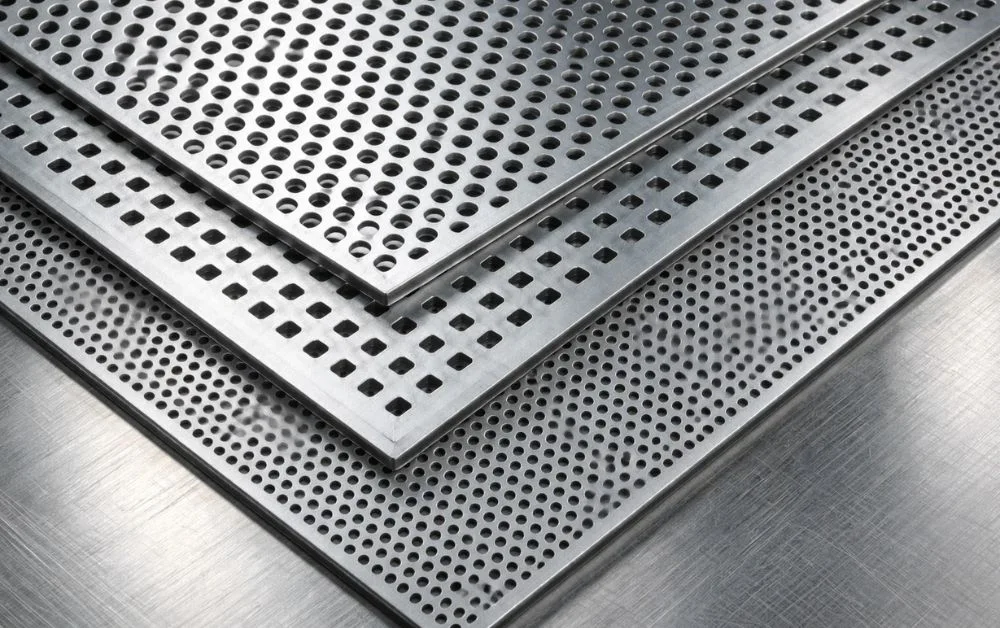
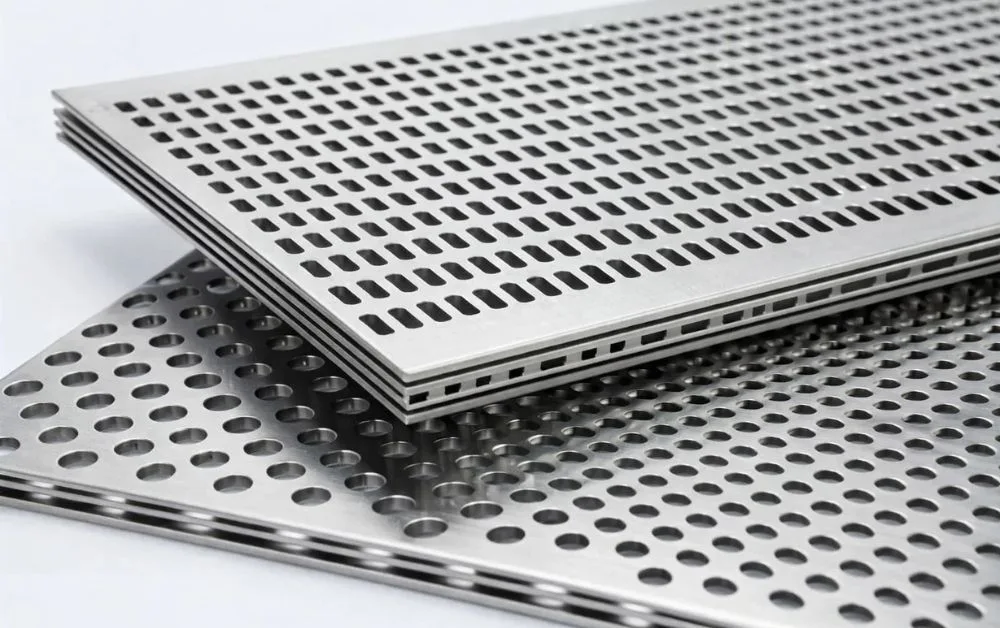
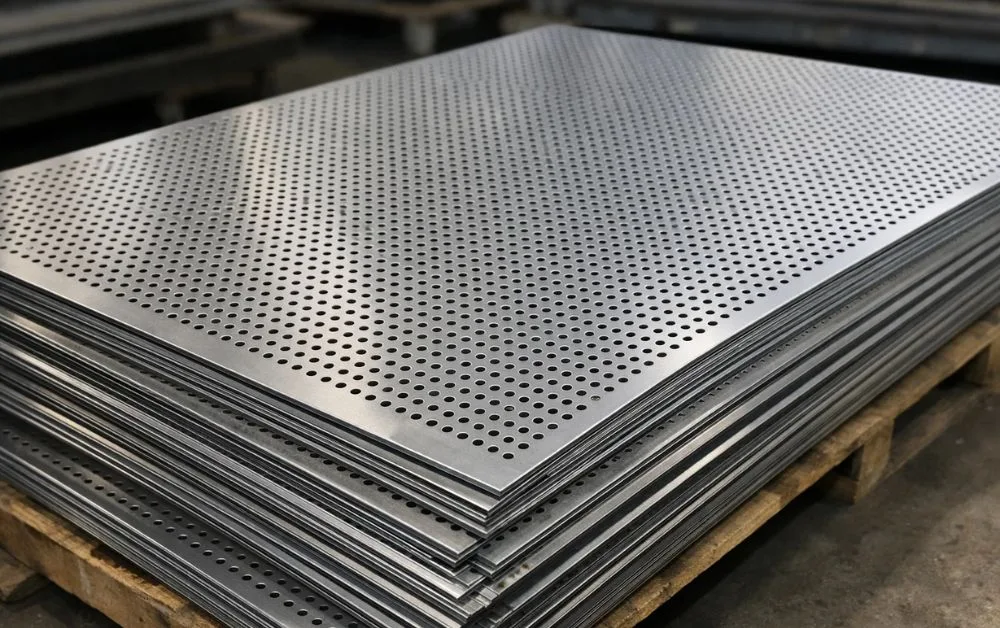
A perforated metal sheet is simply a metal sheet that has been either mechanically or CNC-punched to have holes, slots, or other shapes in a regular or custom pattern. The process provides openings in the material whilst maintaining structural integrity and providing functional values like airflow, light transmission, sound diffusion, and filtration. Its common uses are industrial filtration devices, air conditioning devices, and as decorative elements of architecture and interior design.
Standard Sizes and Custom Dimensions
The size is one of the initial factors when choosing a perforated metal sheet: the dimensions of the sheet and the characteristics of the holes.
1. Standard Sheet Sizes
Perforated metal sheets normally exist in usual industry sizes, like:
- 1,000 x 2,000 mm
- 1,220 x 2,440 mm
- 1,250 x 2,500 mm
These standard sizes are easy to handle, fabricate, and install, and come with the flexibility of numerous applications. Nonetheless, bespoke sizes are also available, whereby the design needs a certain size to satisfy the exact needs that are considered in large-scale architecture or customized industrial parts.
2. Thickness and Gauge
The thickness of the sheet is varied with a wide range of intended applications:
- Light gauge (0.4-1.5 mm): It is suitable for decorative panels and light ventilating covers.
- Medium (1.5-4.0 mm): Can be used on structural components that have aesthetic value.
- Heavy gauge (6.0 mm and above): This is used in industries where durability and strength are very important.
Hole Patterns and Their Uses
The performance and aesthetics of the sheet are determined by the pattern of perforations. Some of the typical designs include the following breakdown:
1. Round Holes
It is the most widespread pattern because it has an equilibrium of strength, airflow, and visual impartiality. Round holes are common in the ventilation grilles, acoustic panels, and filtration systems.
2. Square Holes
Square patterns have a more contemporary visual interest and slightly altered structural behavior. They are commonly used on the facade of buildings, machine guards, and shelving applications in which they are visible and need to be aesthetically designed.
3. Slotted or Rectangular
Slotted perforations are long holes used to enhance the draining and the circulation of air, and hence are effective in screening and filtration of liquids in industries. They may also be either vertically or horizontally oriented as per the design purpose.
4. Hexagonal and Decoration Patterns
The decorative forms are hexagonal and custom-made, which provide a unique appearance and are used in the building facade, internal partitions, and art installations. Such designs are able to increase the light in diffusion and produce bold visual effects.
5. Staggered vs. Straight Pitch
The perforations can be staggered in an offset row, which enhances the strength and open space, or in a straight grid in order to achieve a clean look. The selection is based on the functional requirements as well as aesthetics.
Also Read-Choosing the Right Metal Sheet Thickness for Construction Projects in the UAE
Material Choices and Their Benefits
The underlying metal sheet material determines all the things, such as the durability and anti-corrosion properties, to weight and finish. The most widespread options are as follows:
1. Stainless Steel
Stainless steel has good resistance to corrosion and strength and is therefore suitable in outdoor, marine, and hygienic applications, i.e., in food processing plants or exterior of buildings.
2. Mild Steel
Mild steel has economic value and mechanical strength. It is commonly applied in industrial enclosures, machine guards, and construction, where corrosion resistance is not so vital, or the coating can be applied.
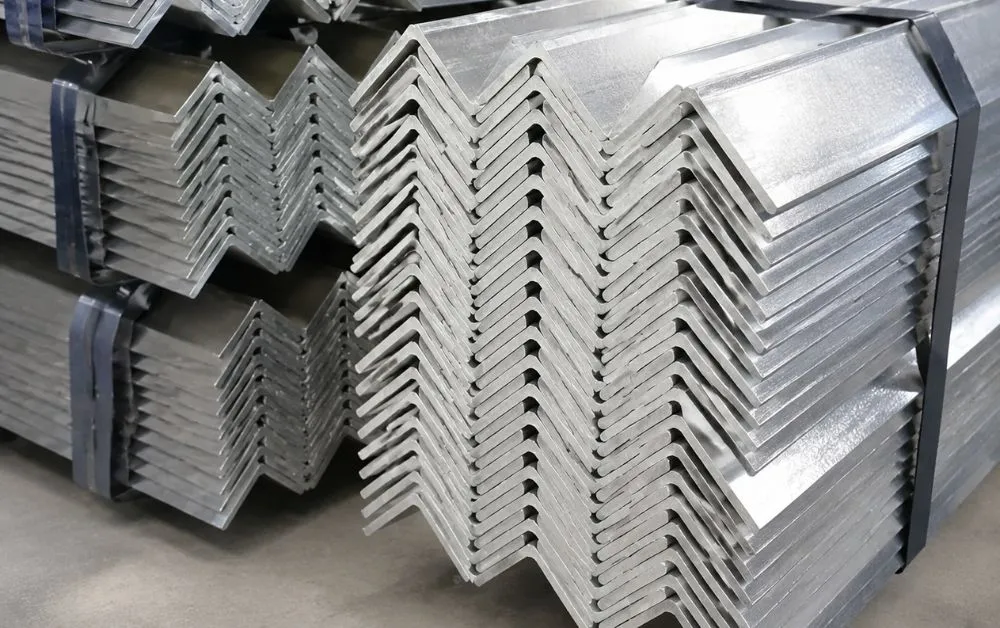
3. Galvanized Steel
Coating steel with zinc (galvanization) provides the steel with resistance against rust, which makes it appropriate to be used in outside buildings, fencing, and HVAC parts that are exposed to moisture.
4. Aluminum
Aluminum is light in weight, magnetic-free, and does not corrode. It is popular as a decorative architectural panel, sunshades, and lightweight enclosures since it is easy to fabricate and has options for finishes.
5. Specialty Metals (Brass, Copper, etc.).
Metals like brass and copper may be used (primarily in interior design or artistic installation) to create unique visual effects or to provide certain performance properties (such as antimicrobial properties).
Performance Considerations
Other technical factors that affect the perforated metal sheets’ performance, besides the pattern and materials, include:
1. Open Area Percentage
This is a ratio of the proportion of the sheet that is open (i.e., holes) and solid material. Increased open space enhances air circulation and light penetration at the expense of structure. The needs are balanced by the designers in the application.
2. Structural Strength
The appropriate thickness and pattern will see to it that, despite the holes, the sheet will be sufficiently strong, especially those that are to be used in applications where loading or protecting is needed.
3. Surface Finish
Finishes like mill finish, powder, anodizing (in case of aluminum), painted, or brushed finishes are aesthetic as well as environmentally protective.
Where to Source Quality Perforated Sheets
The suppliers, such as Sydney Metal Trading LLC, have a wide variety of perforated metal sheets that are utilitarian and aesthetically designed to fit the functional needs and aesthetics when quality, customization, and reliability are of importance. They are a major supplier of high-quality steel products in the UAE, and thus, all perforated sheets will offer performance, durability, and engineering accuracy to support your project needs.
Conclusion
The ability to know the sizes of Perforated Metal Sheet and patterns and the choice of material provides you with the power to choose the perfect product to fit your particular project, either structural, functional, or decorative. With the conventional size and round holes, the lightweight aluminum panels, and the robust stainless-steel version, the variants are enormous. Having suppliers such as Sydney Metal Trading LLC available with high quality and customization options available in all parts of the UAE, you can take your next architectural/industrial project with form and function.