Metal sheets are among the most widely used industrial and construction materials in the world. From roofing and cladding to safety flooring, architectural features, ventilation systems, and industrial screening, different types of metal sheets serve fundamentally different purposes — and choosing the right type for your application makes the difference between a solution that performs correctly and one that fails to meet the practical, safety, or aesthetic requirements of the project. This guide explains the four most commonly used types of metal sheets in the Middle East construction and industrial market: GI sheets, chequered plates, perforated sheets, and expanded metal mesh.
1. Galvanized Iron (GI) Sheets
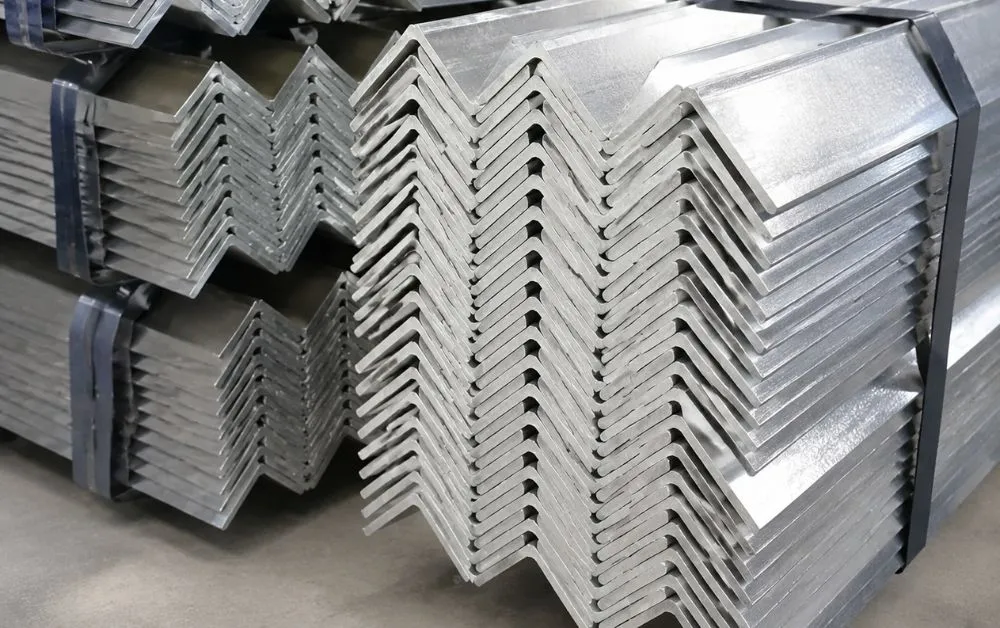
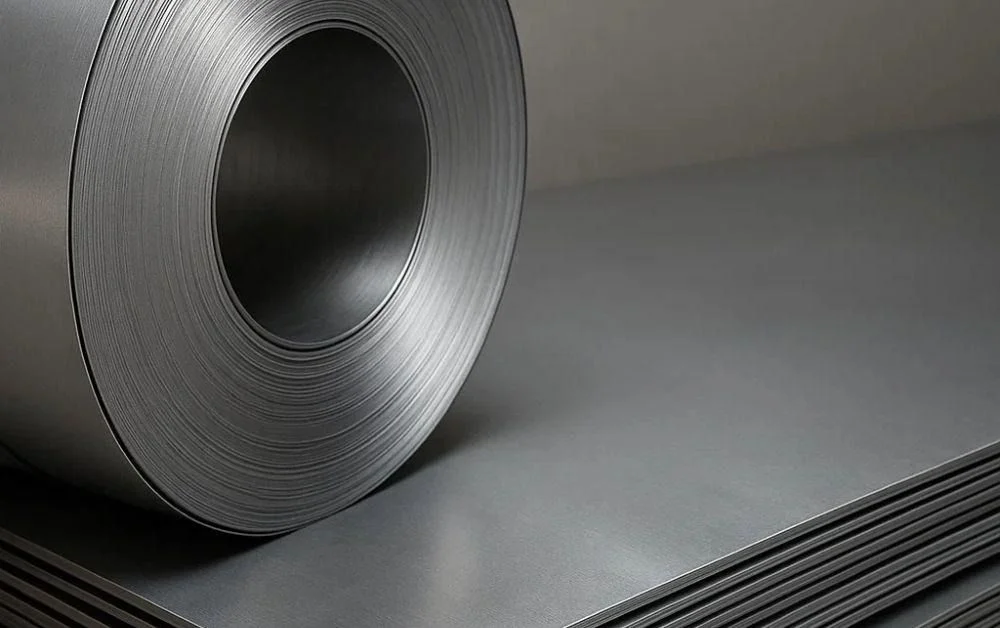
GI sheets are steel sheets coated with a protective layer of zinc through a hot-dipping or electrolytic galvanization process. The zinc coating provides a highly effective barrier against rust and corrosion by acting as both a physical shield and a sacrificial anode — protecting the underlying steel even if the coating is scratched or damaged in localized areas. This makes GI sheets one of the most practical and cost-effective choices for applications in humid, outdoor, or corrosive environments.
GI sheets are available in a range of thicknesses (gauges) and zinc coating weights (measured in grams per square meter). Key applications include:
- Roofing and wall cladding for industrial, commercial, and agricultural buildings
- HVAC ductwork, ventilation systems, and air distribution components
- Cold room and refrigerated storage enclosure panels
- Automotive body components and general sheet metal fabrication
- Fencing, gates, and agricultural enclosure structures
2. Chequered Plates (Tread Plates or Floor Plates)
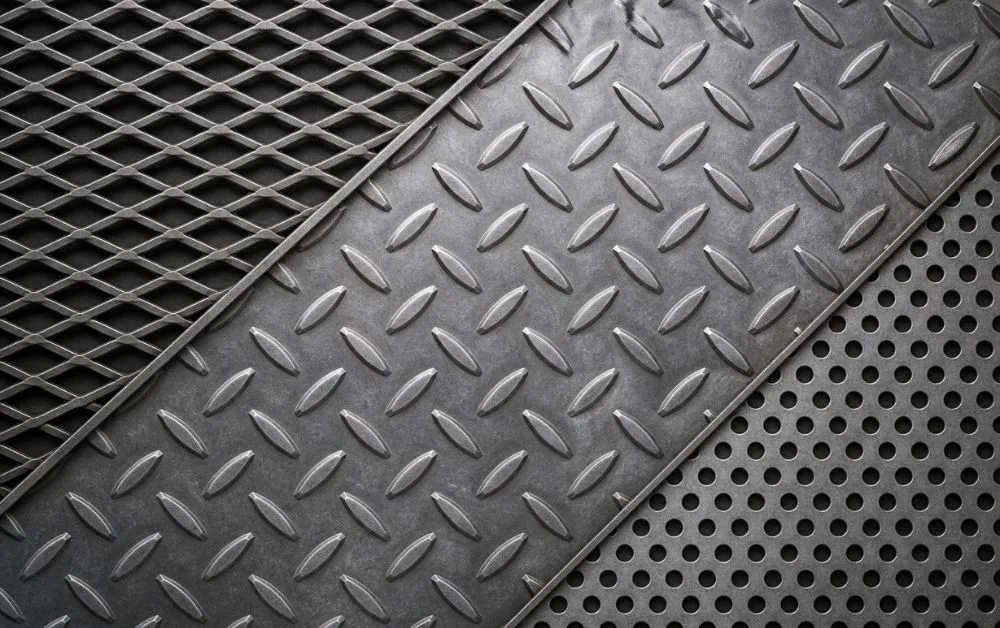
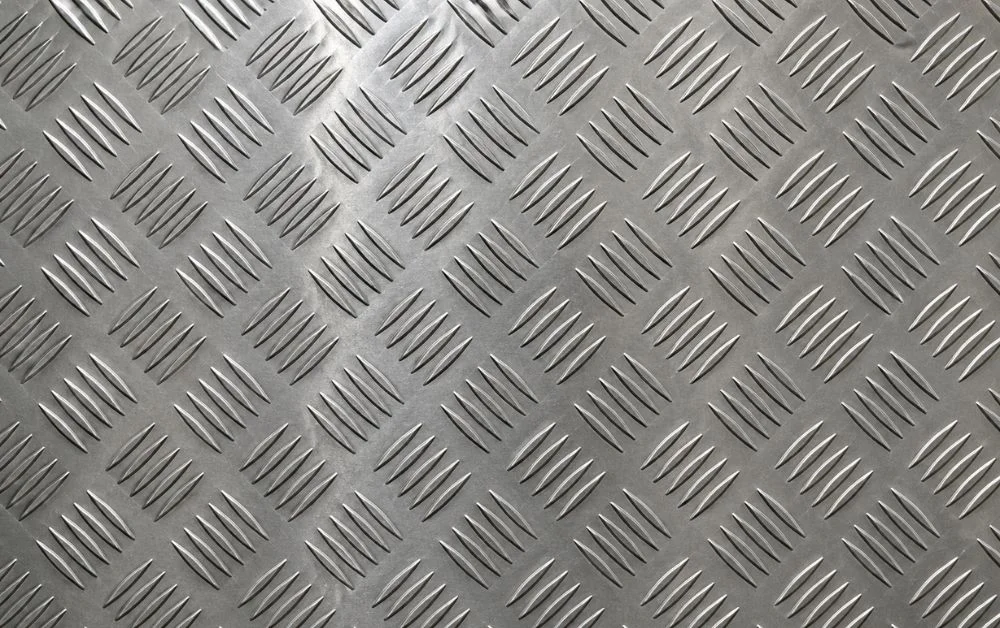
Chequered plates are steel or aluminum plates with a raised surface pattern — typically a diamond, lozenge, or teardrop design — embossed on one face during the rolling process. This raised pattern dramatically increases the surface friction of the plate, making it highly resistant to slipping even when wet, oily, or contaminated with dust. This slip resistance property is the primary reason chequered plates are specified wherever worker safety and pedestrian or vehicle traction is a design requirement.
Chequered plates are available in mild steel (the most common), stainless steel (for hygienic or corrosive environments), and aluminum (for lightweight applications). Key applications include:
- Industrial plant and warehouse mezzanine floor plates
- Stair treads and safety walkways in industrial and marine environments
- Loading dock ramps and vehicle access plates
- Truck bed and trailer floor decking
- Decorative interior flooring and wall panels in commercial and retail environments
3. Perforated Sheets
Perforated sheets are flat metal sheets that have had a pattern of holes punched through them in a regular geometric array. Holes can be round, square, slotted, hexagonal, or in custom decorative patterns. The percentage of open area — the ratio of hole area to total sheet area — can be varied by changing the hole size and pitch to suit specific airflow, acoustic, or screening requirements. Perforated sheets can be produced in mild steel, galvanized steel, stainless steel, and aluminum.
Key applications include:
- Ventilation grilles, air intake screens, and HVAC filters
- Architectural facade panels and sunscreens for solar shading
- Industrial sieving, sorting, and screening equipment
- Acoustic ceiling and wall panels for noise control
- Security grilles, machine guards, and protective enclosures
- Decorative panels for interior design and fit-out applications
Find out more-Chequered Plates: A Key to Safety Flooring Across UAE Industries
4. Expanded Metal Mesh
Expanded metal mesh is manufactured by simultaneously cutting and stretching a solid metal sheet in a single continuous operation — no material is removed or wasted in the process. The result is a rigid, open-mesh structure with uniform diamond-shaped apertures that combine good structural rigidity with significant open area for airflow, light transmission, and drainage. Because the mesh is formed from a single unbroken piece of metal with no welds or joints, it is inherently strong and resistant to unraveling under load or impact.
Expanded metal is available in a standard (raised, three-dimensional diamond profile) or flattened (two-dimensional smooth-surfaced) form, in mild steel, galvanized steel, stainless steel, and aluminum. Applications include:
- Catwalks, walkways, and grating platforms where drainage and anti-slip properties are needed
- Security fencing, anti-climb barriers, and equipment enclosures
- Concrete reinforcement as an alternative to welded wire mesh in specific applications
- Architectural facade cladding, sunscreens, and decorative interior features
- Shelving, storage racks, and ventilated panel systems
Choosing the Right Metal Sheet for Your Application
- Need corrosion protection for outdoor or wet environments? Specify GI sheets or galvanized versions of other sheet types.
- Need slip-resistant surfaces for floors, ramps, or stairs? Chequered plates are the correct and most widely used solution.
- Need controlled airflow, light, or visibility through the surface? Perforated sheets or expanded metal mesh are the appropriate choice.
- Need a strong, rigid mesh with no material waste and no welded joints? Expanded metal mesh is the most efficient and economical solution.
Conclusion
GI sheets, chequered plates, perforated sheets, and expanded metal mesh each address different performance requirements and are best suited to different applications and environments. Selecting the wrong type for a specific application can compromise safety, functionality, and longevity. Sydney Metal Trading LLC supplies all of these product types in a comprehensive range of sizes, thicknesses, grades, and surface treatments, backed by expert technical guidance to ensure every project gets exactly the right material for its specific requirements.