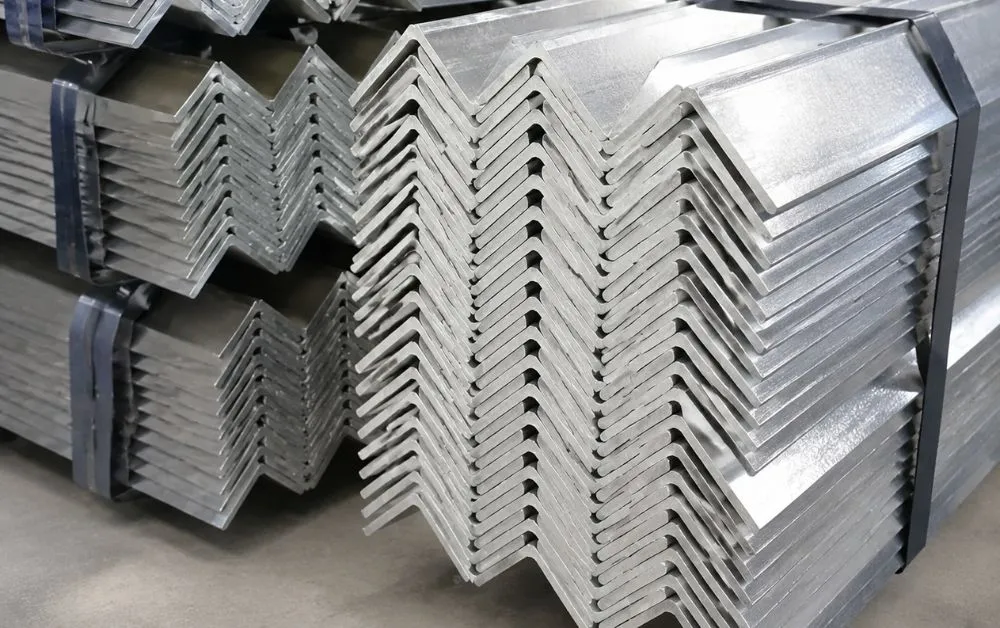
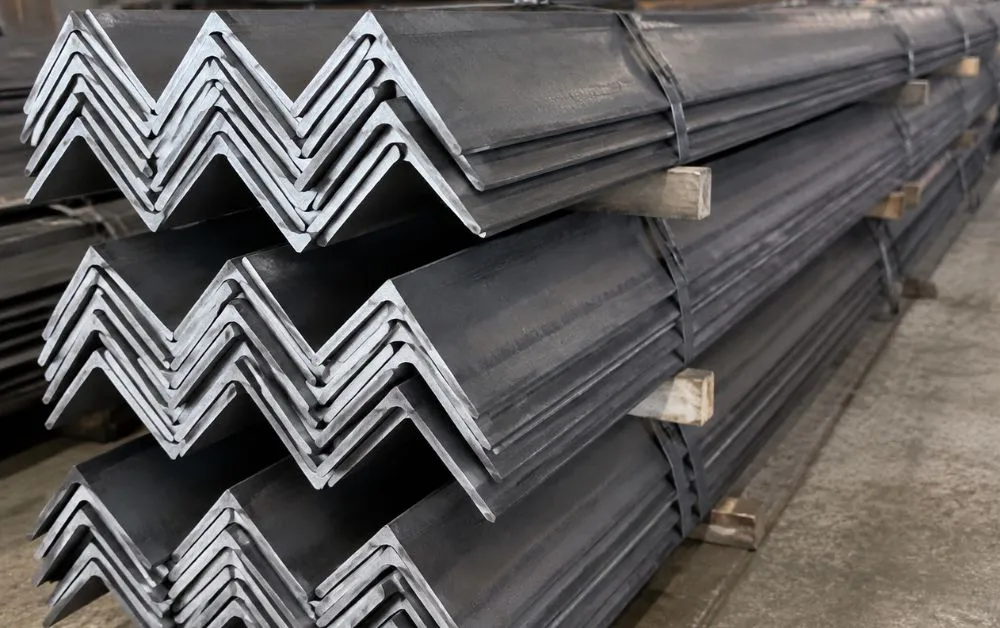
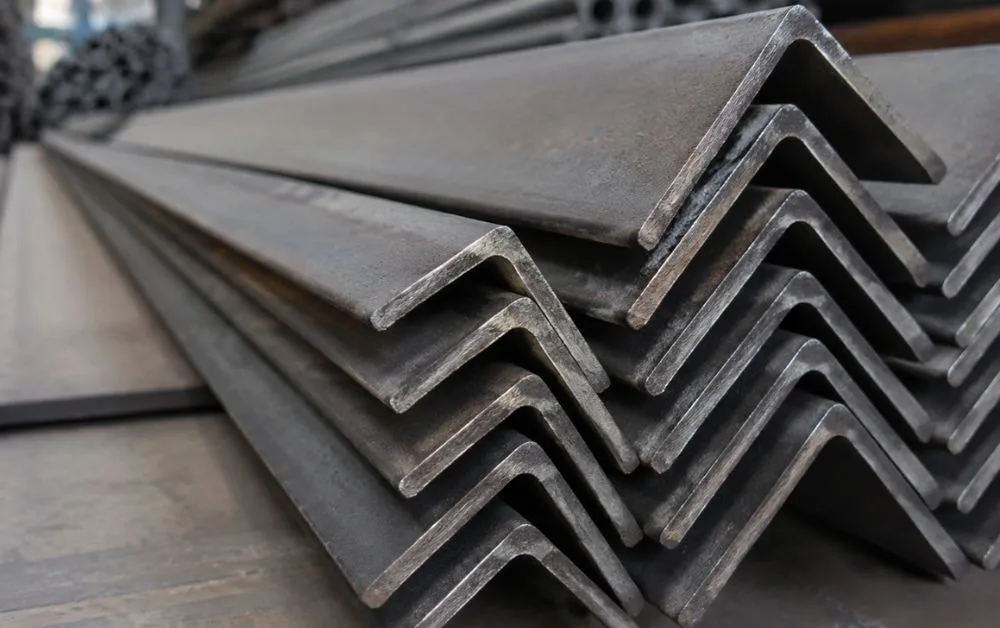
Steel angles are one of the most versatile and widely used structural steel sections in construction and engineering applications worldwide. Their simple L-shaped cross-section provides stiffness in two planes, making them effective as secondary structural members, bracing elements, connection brackets, and frame members. Structural steel angles — produced in equal-leg and unequal-leg configurations across a wide range of sizes — are a staple stock item for steel stockholders, fabricators, and construction suppliers. Sydney Metal Trading provides a comprehensive range of structural steel angles, steel angle sections, and structural steel suppliers service for the UAE and Middle East market.
Equal-Leg vs Unequal-Leg Angle Configurations
Steel angles are produced in two fundamental configurations. Equal-leg angles — where both legs have the same length — are the most commonly used type, providing symmetrical cross-sectional properties that simplify structural design and fabrication. They are designated by the leg length and thickness, for example 75x75x6mm for a 75mm leg with 6mm thickness. Unequal-leg angles — where the two legs have different lengths — provide a higher moment of inertia about the major axis, making them more structurally efficient for specific bending applications where loading is predominantly about one axis. The correct selection between equal and unequal leg angles depends on the structural loading and connection requirements of the specific application being designed.
Standard Size Ranges and Weight Considerations
Structural steel angles are produced in a very wide range of sizes — from small sections of 25x25mm used in light framing and shelving to large heavy sections of 200x200mm or larger used in heavy industrial structures and crane runway bracing. The weight per metre varies from under 1 kg/m for the smallest sections to over 60 kg/m for the largest heavy sections. Selecting the appropriate size for a structural application requires calculating the loads on the member and selecting a section with sufficient section properties to carry those loads within the deflection and stress limits of the applicable design standard. Sydney Metal Trading maintains a comprehensive size range of both equal and unequal angles in standard stock.
Construction Applications for Steel Angles
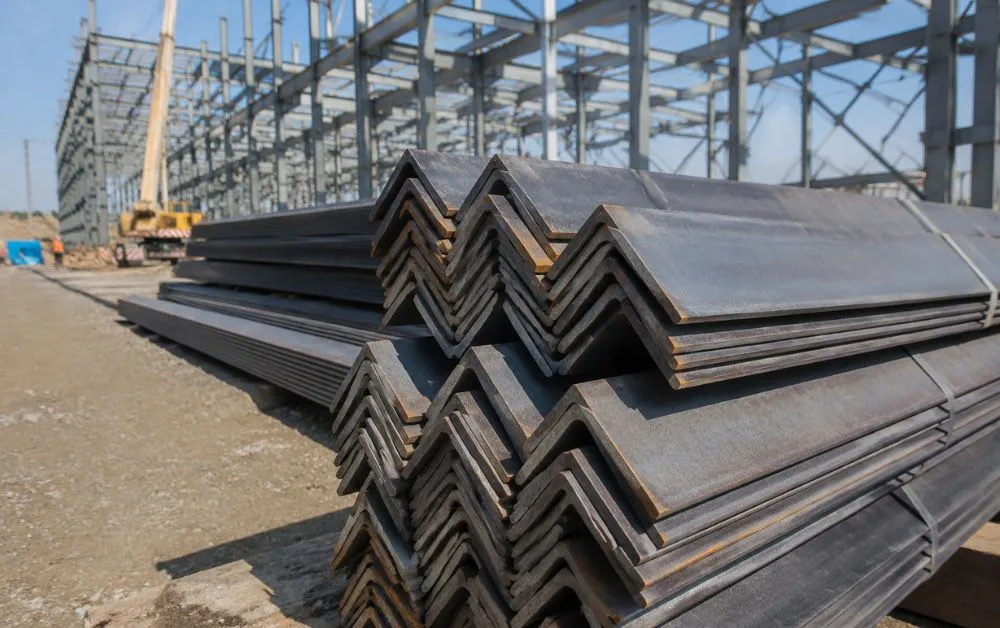
Structural angles are used across a very wide range of construction applications in UAE projects. Roof and floor purlins — secondary members that span between primary beams to support roof sheeting or floor decking — are frequently angle sections in light industrial and warehouse buildings across the UAE. Bracing members in steel frames resist lateral forces from wind and seismic loading, transferring these forces to the foundation structure. Angle cleats and bracket connections use angle sections as the connecting hardware for primary structural elements. Stair stringers and framing use angle sections for their ease of welding and connection. And shelving, racking, and industrial storage systems use angle sections extensively.
Find out more-How Structural Steel Products Shape Today’s Commercial and Industrial Projects
Material Grades and Standards for UAE Projects
Structural steel angles are produced to various steel standards that define the material’s chemical composition and mechanical properties. S275 and S355 structural steels to EN 10025 are the most commonly used grades in the UAE market — S355 providing higher yield strength of 355 MPa that allows lighter sections for the same structural performance. ASTM A36 is the US standard equivalent commonly specified on projects with US-aligned specifications. Material test certificates confirming compliance with the specified standard are required for structural steel used in certified construction projects in the UAE. Sydney Metal Trading provides material certificates with all structural steel angle supply.
Fabrication Services and Value-Added Processing
Beyond standard stock supply, Sydney Metal Trading provides value-added processing services for structural steel angles that reduce fabrication time and cost for UAE construction and engineering clients. Cut-to-length services provide angles pre-cut to the dimensions needed for specific structural applications, reducing waste and handling time on site. Punching and drilling of connection holes in angle sections provides pre-fabricated connection components ready for assembly. And shot blasting and painting prepares angle steel for coating systems that provide the corrosion protection required for specific application environments.
The connection of structural steel angle sections to primary steel members requires careful detailing to ensure load transfer is efficient and the connection meets the structural requirements of the design. Cleated connections — where angle sections are bolted to beam webs or column flanges using angle cleat plates — are among the simplest and most economical structural connections used in UAE steel construction. Welded angle connections provide higher strength and stiffness. And combined bolted-welded connections use welding in the workshop and bolting on site to provide efficient fabrication and erection. Sydney Metal Trading can supply structural steel angles pre-drilled or pre-punched to client connection design requirements.
Conclusion
Comprehensive structural steel angles supply from Sydney Metal Trading provides UAE construction and engineering projects with the steel angle sections they need in the correct sizes, grades, and quantities. As established structural steel suppliers serving the UAE market, Sydney Metal Trading maintains the stock depth and product range that demanding construction projects require. Contact Sydney Metal Trading LLC today for all your structural steel angle requirements.