
Introduction
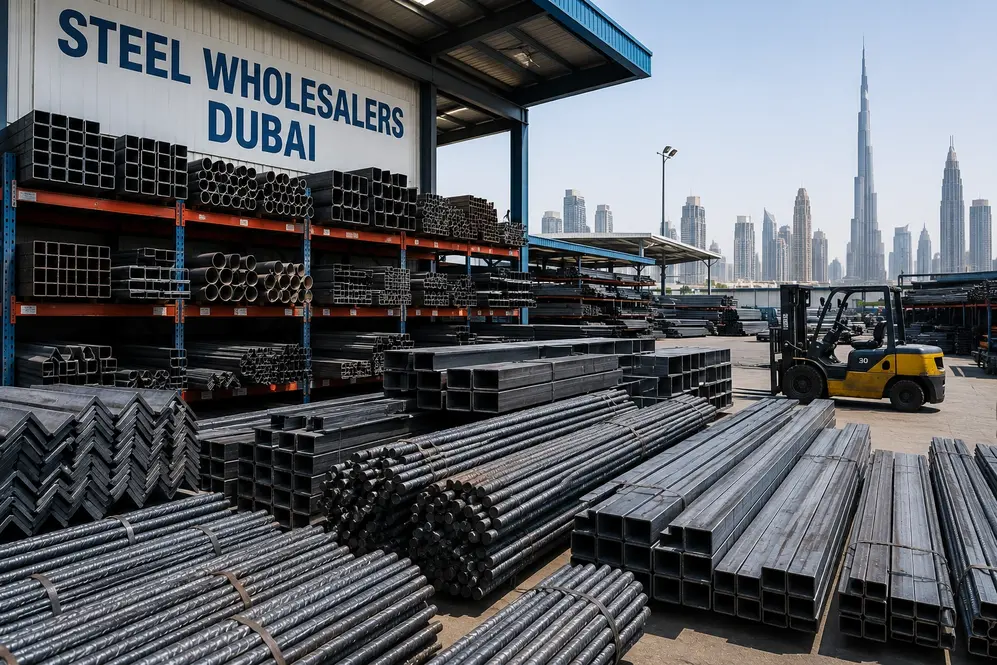
Structural steel products form the backbone of almost every major construction and industrial project in the UAE. From high-rise towers to warehouses, bridges, and process plants, these products give buildings and structures the strength, stability, and flexibility engineers depend on. Whether a project calls for beams, columns, angles, channels, plates, or hollow sections, structural steel products are chosen because they combine proven mechanical performance with fast fabrication and long service life. Rising construction activity across the UAE, along with growing demand for pre-fabricated and low-carbon steel building methods, has only increased how much projects rely on a dependable supply of these materials. Sydney Metal Trading supplies a comprehensive range of structural steel products to contractors, fabricators, and developers across the UAE, helping projects source the right material without delays.
What Falls Under Structural Steel Products
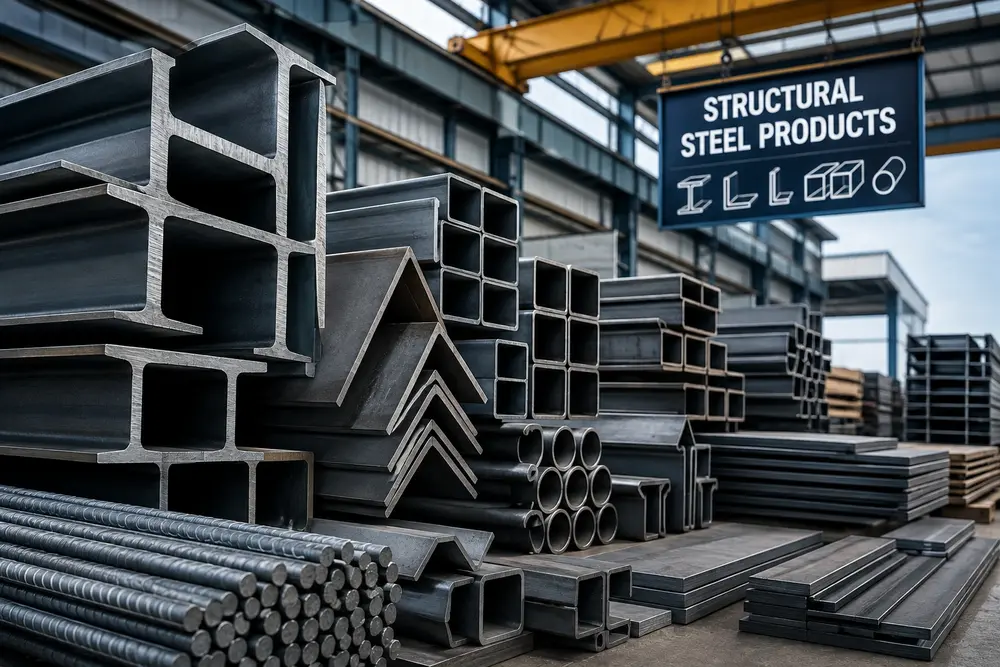
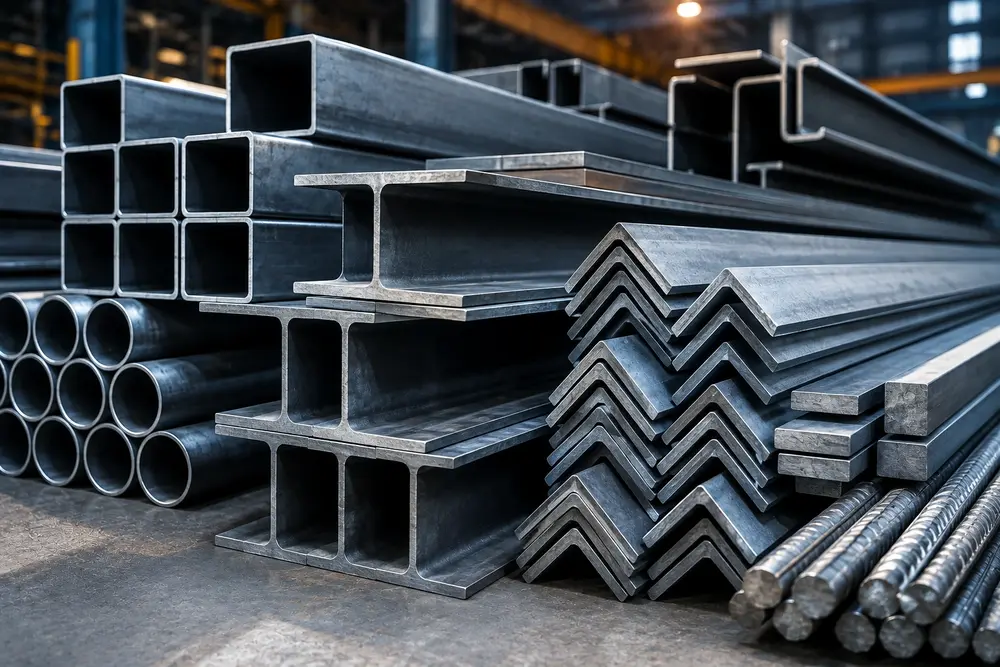
The term covers a wide family of rolled and fabricated steel items used to build the frame and support systems of a structure. This includes universal beams and columns, angles, channels, hollow sections, plates, and flat bars. Each shape is designed to carry load in a particular way — beams resist bending, columns resist compression, and angles and channels provide bracing and secondary support. Understanding which product category, a project needs is the first step in specifying the correct material, and it also determines how the fabrication team will cut, weld, and connect the pieces on site.
Most structural steel products fall into a few broad groups:
- Open sections, such as beams, columns, angles, and channels, used for primary and secondary framing.
- Hollow sections, both circular and rectangular, used where torsional stiffness or a clean architectural finish is needed.
- Flat products, including plates and flat bars, used for base plates, gussets, and connection detailing.
Knowing which group a project relies on most heavily helps a supplier plan stock and cutting services around the actual build sequence.
Common Grades and Their Mechanical Properties
Structural steel is produced in a range of grades, each offering a different balance of strength, ductility, and weldability. S275 is a widely used general-purpose grade suitable for most standard building frames. S355 offers a higher yield strength of 355 MPa, which allows engineers to specify lighter sections while still meeting the same load requirements — a useful advantage on multi-storey projects where reducing steel weight lowers both material and foundation costs. ASTM A36 remains common on projects following US-based specifications. Selecting the right grade is not just a compliance exercise; it directly affects how much steel a project needs, how efficiently it can be fabricated, and how the finished structure performs under load over its service life.
Choosing the Right Structural Steel Product for Your Project
No two projects use structural steel the same way. A warehouse roof structure may rely heavily on purlins and light angle bracing, while a multi-storey office tower needs deep universal beams and columns sized for significant vertical loads. The right selection depends on the span, the load path, the connection design, and the finish required for the environment the steel will sit in. Coastal or humid environments, for instance, often call for galvanized or coated products rather than plain black steel. Working with a supplier who understands both the product range and the practical realities of UAE construction helps avoid costly late-stage substitutions once a design has already been finalized.
Applications Across UAE Construction Sectors
Structural steel products are used across almost every sector of UAE construction and industry. Commercial and residential developments use them for primary and secondary framing. Industrial facilities and warehouses rely on structural steel for long clear-span roof structures that would be difficult to achieve economically with concrete. Oil, gas, and process industries use structural steel for equipment platforms, pipe racks, and access structures. Ports and logistics facilities use heavier sections for crane support and storage racking systems. Even fit-out and interior contractors use lighter structural sections for mezzanine floors and internal partitions. This breadth of use is exactly why consistent product availability matters so much to contractors working across multiple sectors at once.
Cost Factors That Influence Structural Steel Pricing
Several factors shape the final price of structural steel products beyond the base material cost. Section size and weight per metre are the most obvious drivers, but grade, surface treatment, and any cutting, drilling, or fabrication services add to the total. Order quantity also plays a role — bulk project orders typically achieve better pricing than small ad-hoc purchases. Global raw material and freight costs can also move pricing over time, which is why many contractors prefer to lock in supply arrangements early in a project rather than pricing steel piecemeal as work progresses. Working with a supplier who holds deep stock reduces the hidden costs of project delays, since waiting on mill lead times can affect labour scheduling and overall project cash flow far more than the steel price itself.
Why Reliable Stockholding Matters for Project Timelines
Construction programmes are built around delivery dates, and structural steel is often on the critical path. A supplier with genuine stock depth across common sizes and grades allows contractors to move from order to site delivery quickly, without waiting weeks for a mill run. This becomes especially important during peak construction periods, when demand across the market rises and mill lead times can stretch unpredictably. Sydney Metal Trading maintains comprehensive stock of structural steel products across the UAE market, supported by cutting and fabrication services that prepare material for immediate use on site.
Related blog – Structural Steel Products: A Complete Supply Guide for UAE Projects
Quality Documentation and Compliance for Certified Projects
Many UAE construction projects, particularly commercial and government contracts, require formal quality documentation as part of the approval process. Mill test certificates confirming chemical composition, mechanical properties, and dimensional compliance give consultants and quality inspectors the traceability they need to sign off on structural work. Sydney Metal Trading provides mill certificates with structural steel product supply wherever a project requires this documentation, helping contractors avoid delays at inspection stage.
Conclusion
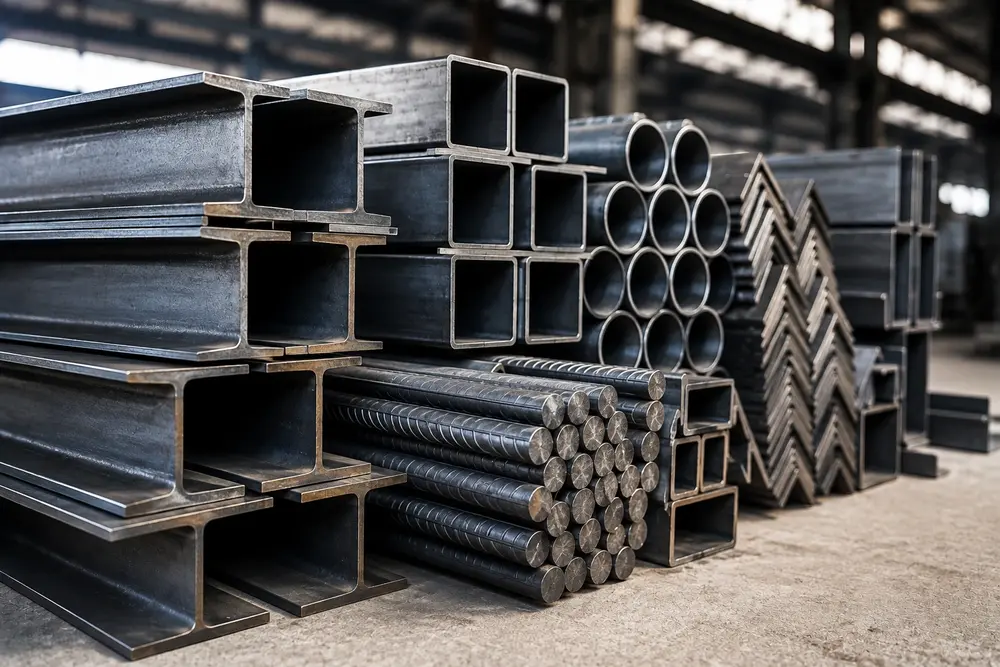
Structural steel products are the foundation of safe, efficient construction across the UAE, and getting the specification right from the start saves time and cost throughout a project. Whether you need beams, columns, angles, or plates, Sydney Metal Trading provides the structural steel products, grades, and stock availability that UAE contractors and fabricators rely on. Contact Sydney Metal Trading today to discuss your structural steel product requirements.
