Steel beams are the building blocks of structural engineering, and they are commonly used in construction for strength, durability, and load-carrying capability. Among all the steel beam types, the IPE Beams (European I-beams) are extremely popular, especially among those projects that require efficient weight transmission and structural efficiency. But why are IPE Beams different from steel beams like H-Beams, T-Beams, or U-Channels? This blog highlights the differences between IPE Beams and other steel beam types to make you known for their fundamental differences, advantages, and ideal uses.
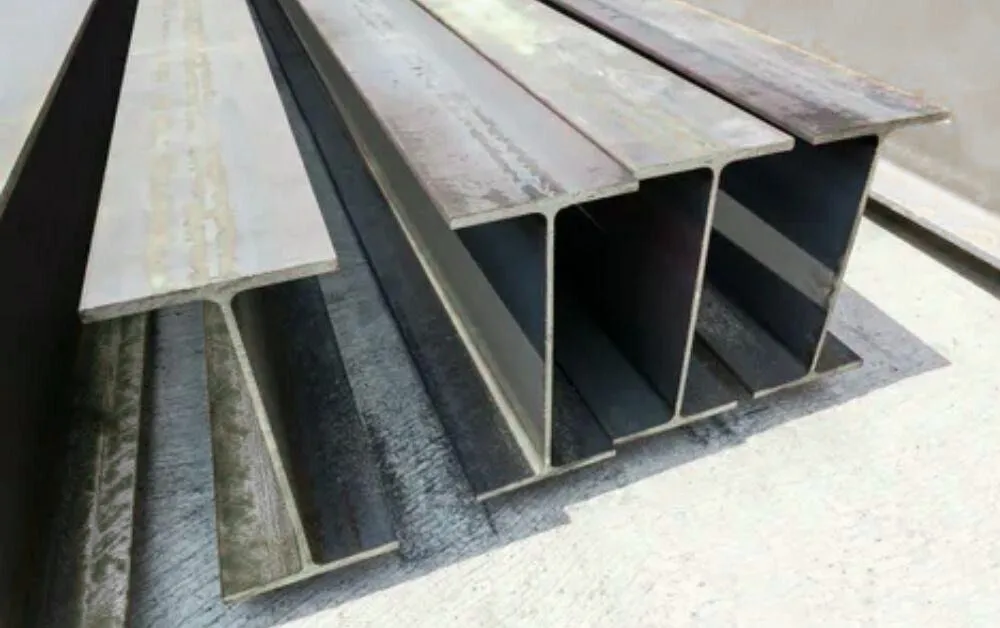
Introduction to Steel Beam Types
Steel beams are made in various profiles and shapes, each meant for a specific structural purpose. Be it a residential complex, a commercial building, or an industrial unit, the appropriate beam is crucial to provide safety, stability, and cost savings.
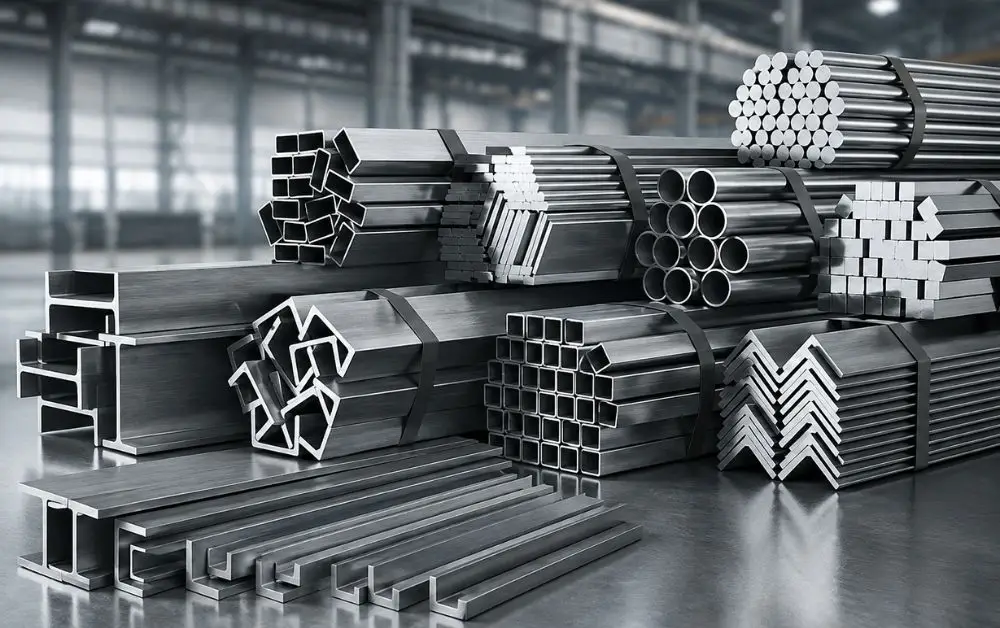
Here are the most commonly used types of steel beams:
- IPE Beams (I-sections or European I-beams)
- HE Beams (H-beams or wide flange beams)
- U-channels (U-shaped beams)
- T-Beams (T-shaped beams)
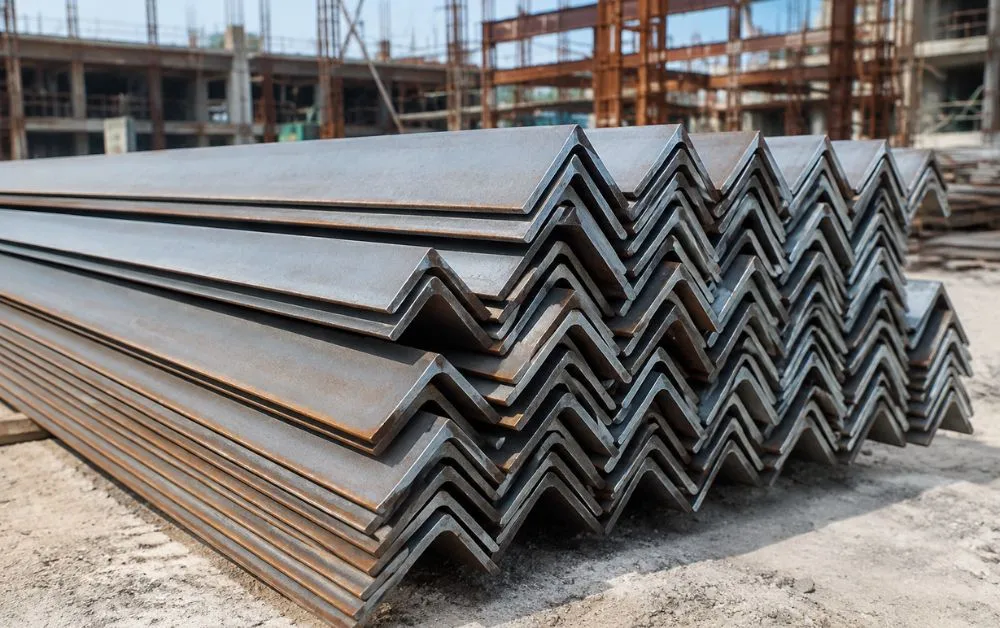
- Angles (L-shaped beams)
Each of them has unique geometric properties and load-carrying features. Let us elaborate on how IPE Beams rate against these alternatives regarding design, functionality, and applications.
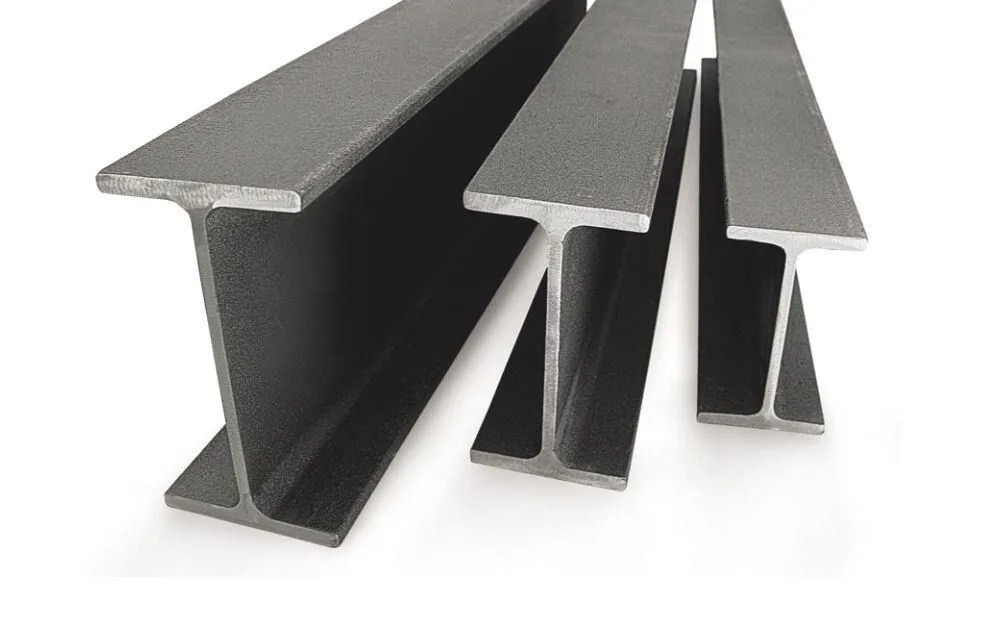
What Are IPE Beams?
IPE Beams are standardized I-shaped steel sections in Europe. The “IPE” is short for “I-Profile European,” and the beam conforms to European Norm EN 10365 standards. The I-shape of the beam features a relatively narrow flange and deep web, and the beam is optimal for bearing vertical loads.
Most significant features of IPE Beams:
- Narrow flange width in proportion to the height
- Lighter weight than HE beams
- High bending strength in vertical application
- Typically made up of structural steel like S235 or S355.
Due to their performance and adaptability, IPE beams are applied extensively in buildings, floor systems, roof structures, and general building construction.
IPE Beams vs HE Beams (H-Beams)
HE Beams, also called H-beams or wide flange beams, are very distinct from IPE Beams in structure and strength characteristics. While IPE beams have thin flanges, HE beams have thick and broad flanges, thus making them more capable of carrying horizontal and vertical loads.
Comparison:
- Load Capacity: HE Beams have higher load capacity, especially for columns or building frames that require lateral support.
- Weight: HE Beams are heavier and, therefore, most suitable for heavy-duty applications.
- Cost: Since they are heavier and longer, HE Beams will typically cost more regarding material and handling.
- Applications: HE Beams are most suitable for columns and heavy load-bearing applications; IPE Beams are ideal for floor joists and secondary beams.
If you are constructing a building that has low loading requirements and requires a light solution, IPE Beams are usually the more cost-effective option.
IPE Beams and U-Channels
U-channels, or channel beams, have a U-profile shape and are generally reserved for bracing, framing, or secondary support in construction. They are structurally less intense than IPE Beams but are worth their weight in gold for light and secondary uses.
Comparison
- Structural Strength: IPE Beams are stronger and have better load-carrying capacity.
- Application: U-channels are mainly used for lightweight applications and non-load-bearing frames.
- Design: The symmetrical I-section shape of IPE Beams allows for a more balanced strength distribution.
If your application needs higher load-carrying and structural properties, IPE Beams greatly surpass U-channels.
See also-The Top Benefits of Using IPE Beams in Your Building Projects
IPE Beams vs T-Beams
T-Beams are T-shaped and are typically made by cutting an I-beam in half vertically. They have good strength but are less versatile compared to IPE Beams.
Comparison
- Stability: IPE Beams offer enhanced structural stability due to the symmetrical web and flanges.
- Manufacturing: T-Beams are often manufactured from IPE or HE Beams by section cutting, which may be inefficient.
- Applications: T-Beams are used in floor systems where one of the sides of the flange can be inserted into concrete; IPE Beams offer broader application.
IPE Beams are more efficient and reliable when used for various construction purposes.
IPE Beams vs L-Angles
L-angles or angle irons are L-shaped members widely used in bracing and framing. They are not designed to carry heavy loads like IPE beams but for primary structural and visual purposes.
Comparison:
- Strength and Load: IPE Beams carry much heavier loads, providing better bending strength.
- Application: L-Angles are designed for low-scale reinforcements, shelf supports, or ornamental work.
- Durability: IPE Beams maintain structure against higher stress.
Although L-angles find their way into specific applications, they will always be unable to substitute IPE Beams in structural systems.
Why IPE Beams?
Why are IPE Beams highly sought after in construction? Because they present a well-balanced performance, efficiency, and convenience. Here’s the reason why engineers and contractors prefer IPE Beams:
- Affordable for light to medium structures
- Flexible in floor and roof systems
- Easy to weld, cut, and assemble
- Compliant with European and international standards
- Efficient strength-to-weight ratio
For builders who need to achieve maximum structural performance without over-engineering, IPE Beams provide the best balance between performance and use.
Conclusion
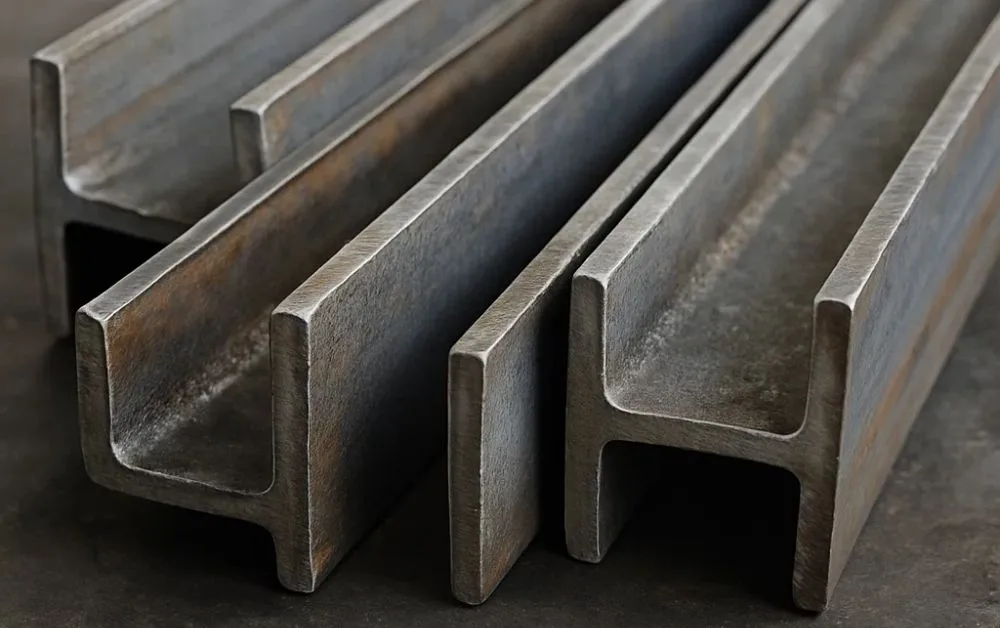
When choosing the optimal steel beam for the task, it helps to be aware of the strengths and limitations. IPE Beams are an intelligent, reliable, and inexpensive choice for nearly every general construction project. They are not quite as having-in-a-brawl strong as HE Beams, nor as specifically functional as U-Channels or T-Beams, but they provide just the perfect middle ground for most general construction tasks.
When you compare IPE Beams to any other steel beam, it’s clear that their beauty, value for money, and adaptability make them the most appropriate fit for engineers, architects, and builders alike. Whether it’s a residential project or a commercial project, knowing when and why to use IPE Beams can be the deciding factor in the success of your project.