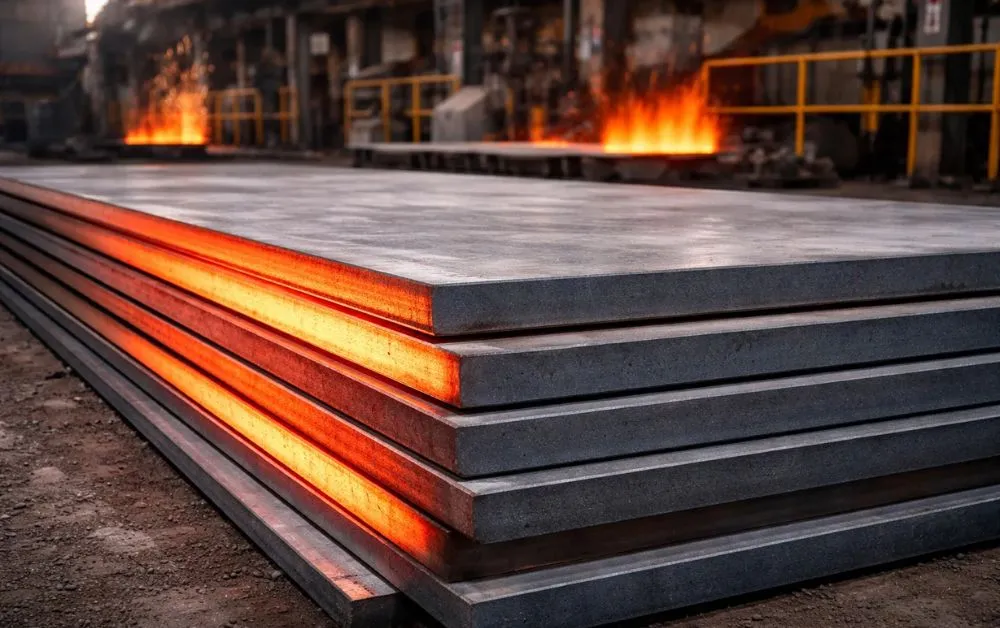
Dubai’s skyline is a testament to its rapid development, architectural ambition, and cutting-edge engineering. At the heart of this remarkable transformation is the intelligent use of durable, high-performance construction materials. Among them, Hot Rolled Plates have emerged as one of the most essential components in modern building and infrastructure projects. Known for their strength, versatility, and cost-effectiveness, hot rolled plates are widely used across various sectors of the construction industry in Dubai.
Let’s explore the top five applications of Hot Rolled Plates in Dubai’s construction industry and understand why they are considered indispensable in both small and large-scale projects.
1. Structural Frameworks for Buildings and Towers
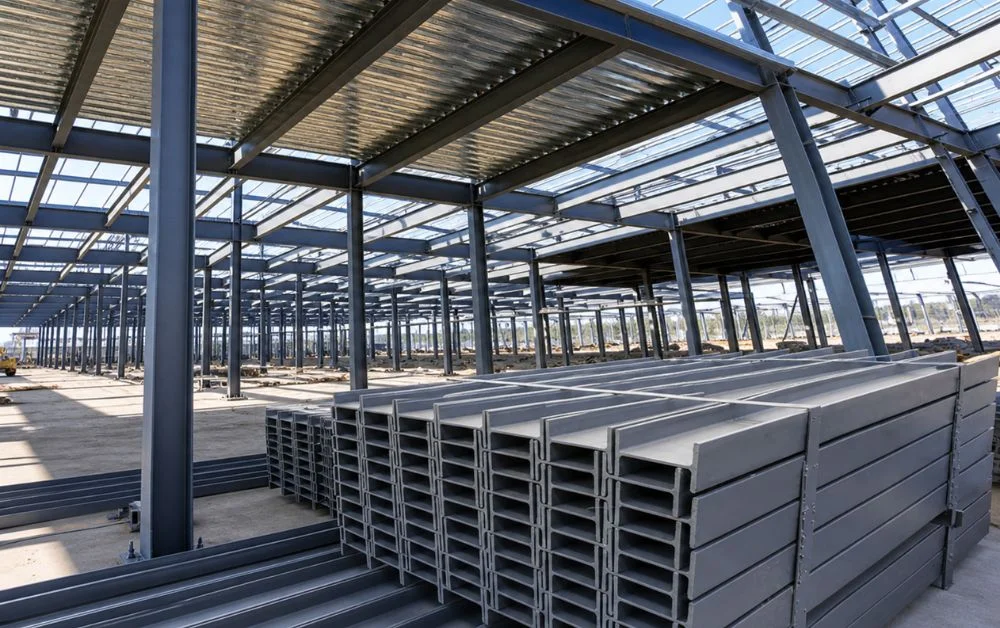
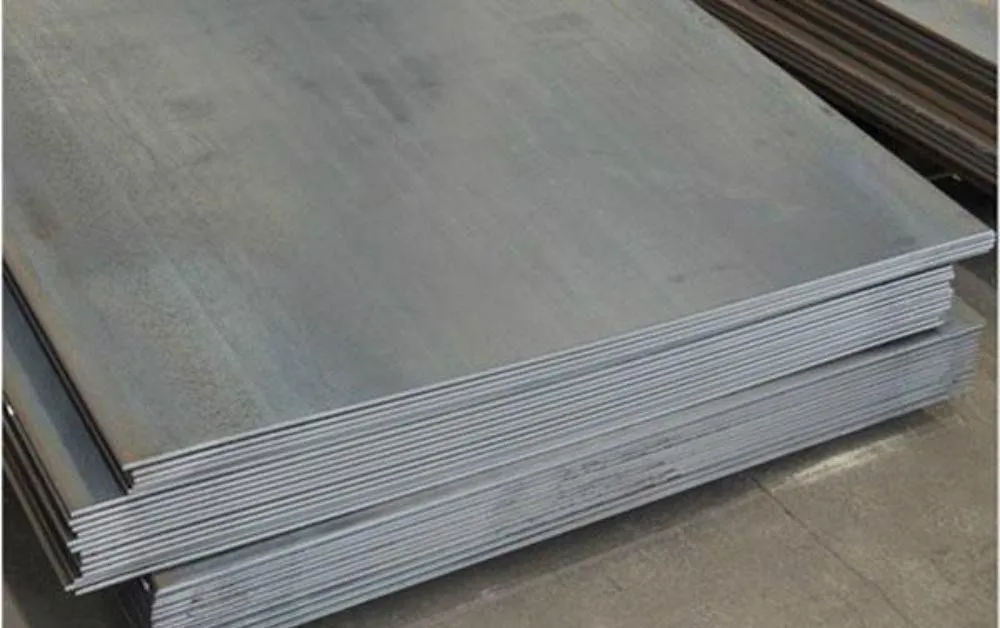
Dubai is home to some of the world’s tallest and most complex structures, including the Burj Khalifa and numerous other high-rise buildings. The construction of these iconic structures requires materials that can bear heavy loads, resist environmental stress, and ensure long-term structural stability. Hot Rolled Plates are extensively used in the fabrication of beams, columns, and other load-bearing members in buildings. Their high tensile strength and resistance to deformation under pressure make them ideal for use in steel frameworks, especially in high-rise construction.
Furthermore, the thickness and size flexibility of hot rolled plates allow for customized use depending on the architectural design, load requirements, and safety standards, which are all strictly enforced in Dubai’s modern construction environment.
2. Infrastructure Projects: Bridges and Flyovers
As Dubai continues to invest in infrastructure to support its growing population and tourism-driven economy, the need for durable materials becomes even more critical. Hot Rolled Plates are commonly used in the construction of bridges, flyovers, and overpasses due to their ability to withstand high tension and compression forces.
These plates are used in structural elements like girders and decking systems, offering a solid foundation that resists cracking, buckling, and corrosion. Given the harsh desert climate of Dubai—with extreme temperatures and occasional sandstorms—hot rolled steel provides the strength and longevity needed to maintain infrastructure integrity over time.
3. Industrial Buildings and Warehouses
Dubai has rapidly grown into a major logistics and manufacturing hub. This has led to the proliferation of industrial buildings, warehouses, and storage facilities across areas like Jebel Ali Free Zone and Dubai Industrial City. In these applications, Hot Rolled Plates are widely used for fabricating frames, walls, support structures, and mezzanine floors.
Their fire-resistant nature and ease of fabrication make hot rolled plates a go-to choice for engineers designing large-scale industrial facilities. Moreover, these plates are easy to weld and cut, allowing for quick assembly and modification, which is essential for fast-paced industrial construction timelines.
Read more-Maintenance Tips for Hot Rolled Steel Plates in UAE’s Harsh Climate
4. Shipbuilding and Marine Infrastructure
Dubai’s position as a major coastal city means that marine infrastructure is a vital part of its economy. Ports, docks, oil platforms, and ships are all regularly constructed and maintained in the region. Hot Rolled Plates play a significant role in this sector because of their robustness and ability to withstand the corrosive marine environment when treated properly.
Used in the fabrication of ship hulls, offshore platforms, and port equipment, hot rolled plates provide the rigidity and weather resistance necessary for heavy-duty marine applications. In Dubai’s Jebel Ali Port—one of the busiest in the world—hot rolled plates are often used in repair yards and dry docks for both local and international maritime fleets.
5. Road Barriers, Safety Rails, and Civil Structures
Urban development in Dubai also involves a focus on road safety and civil utility structures. Hot Rolled Plates are commonly used to manufacture highway safety barriers, crash rails, and retaining walls due to their impact resistance and mechanical strength. These plates help create protective elements that prevent accidents and damage in high-speed zones or during construction work.
Additionally, hot rolled plates are used in underground tunnels, culverts, water tanks, and utility enclosures—supporting the daily function of Dubai’s modern urban infrastructure. Their long service life and low maintenance requirements make them a sustainable choice in public and civil works.
Why Hot Rolled Plates are Ideal for Dubai’s Construction Sector
- Durability in Harsh Climates: The high temperatures and humidity of Dubai require materials that do not warp or corrode easily. Hot rolled plates offer excellent performance in such conditions, especially when coated or treated for weather resistance.
- Ease of Availability and Fabrication: Hot rolled plates are readily available in the UAE market and can be fabricated to meet specific construction needs, enabling efficient project execution.
- Cost-Effectiveness: Compared to many other heavy-duty construction materials, hot rolled steel offers a good balance between performance and cost, which is crucial for managing large-scale developments.
Conclusion: Sydney Metal Trading – A Trusted Source for Hot Rolled Plates in Dubai
When quality, reliability, and timely supply matter, Sydney Metal Trading stands out as one of the most dependable names in Dubai’s metal and construction supply industry. With a deep understanding of local project requirements and international standards, Sydney Metal Trading offers high-grade Hot Rolled Plates that meet the specific demands of the UAE’s construction sector.
Their commitment to quality assurance, customer satisfaction, and sustainability positions them as a key player in shaping Dubai’s built environment. Whether it’s for a towering skyscraper or a complex infrastructure project, Sydney Metal Trading ensures that builders have access to the right materials—delivered with professionalism and precision.