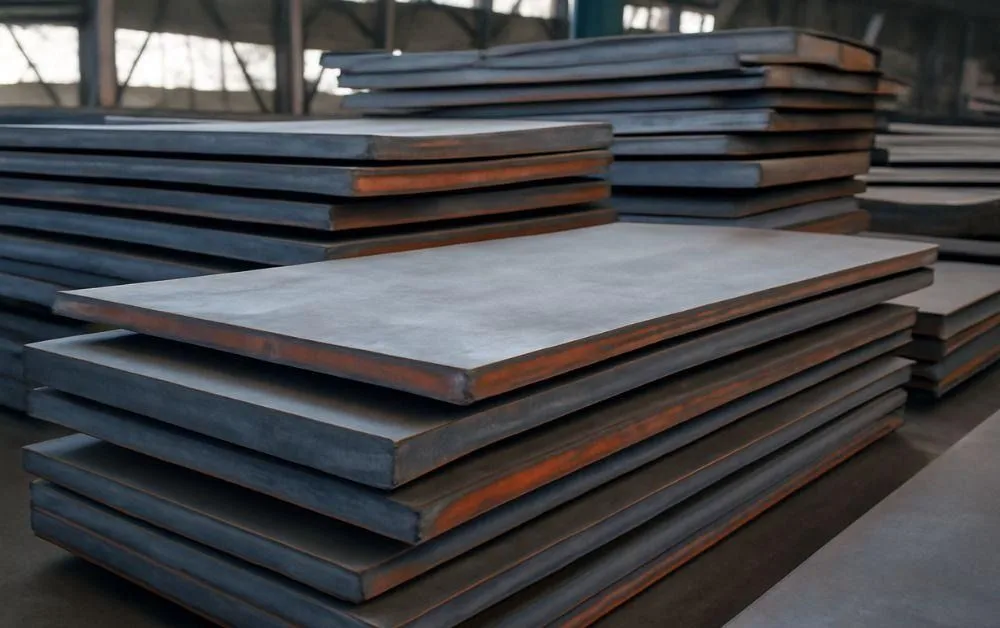
The construction and manufacturing industries in the UAE depend on robust materials that can sustain severe weather conditions. Among the most used materials are Hot Rolled Plates, which are appreciated for their strength, moldability, and affordability. Yet, due to the UAE’s harsh climate, high temperatures, humidity, and sandstorms, even the strongest steel materials need regular and proper maintenance. This blog discusses key maintenance practices for hot rolled Steel plates in the UAE’s harsh climate to ensure longevity and performance.
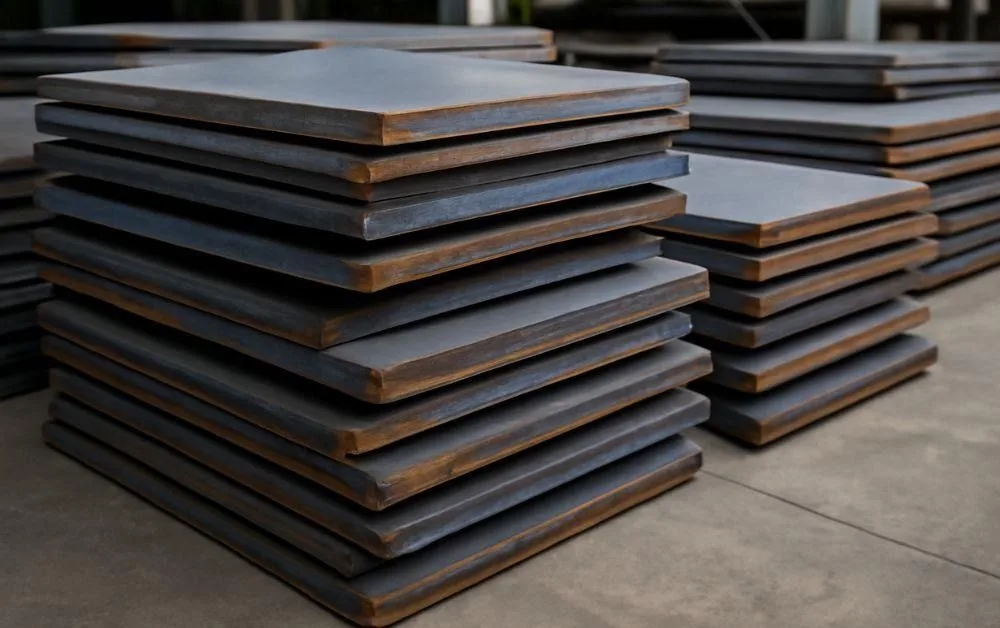
Knowing the Effect of UAE’s Climate on Hot Rolled Plates
The UAE has extremely hot summer temperatures above 50°C, high humidity, and regular exposure to salty air, particularly in coastal areas such as Dubai and Abu Dhabi. These conditions tend to cause:
- Accelerated corrosion, specifically when steel surfaces are exposed to saline air and moisture.
- Through blowing sand and dust, surface degradation may wear away protective coatings.
- Thermal expansion, wherein severe heat causes steel plates to expand, potentially weakening structural integrity.
Hot Rolled Steel Plates, despite their strength, are also not immune to such environmental stress. They must thus be handled with proper care and maintenance to assure their durability and safety.
1. Routine Surface Cleaning
Regular surface cleaning is one of the best and easiest methods of maintaining Hot Rolled Steel Plates. In the UAE, sand, dust, and atmospheric salt particles can settle on steel surfaces, which may cause potential corrosion.
Surface cleaning tips:
- Removal of sand and dust can be done using pressurized water or air.
- Using a mild alkaline detergent followed by extensive rinsing is best for salt deposits.
- Don’t use harsh cleaning equipment that might scratch protective coatings or the steel surface.
2. Regularly Apply Protective Coatings
Protective coatings act as a defense against corrosion. Primers such as epoxy, zinc-rich paints, or polyurethane coatings are a must for the UAE coastal and desert conditions.
Best practices:
- Regularly inspect existing coatings for peeling or cracking.
- Reapply protective coatings yearly or as guided by the manufacturer.
- Consider applying heat-resistant coatings for those where Hot Rolled Steel Plates are subjected to direct sunlight or excessive temperatures.
3. Install a Corrosion Monitoring System
Due to the commonality of corrosion in high-humidity and saltwater environments, installing a corrosion monitoring system can alert one to potential problems early.
Methods include:
- Utilize corrosion sensors where plates are located.
- Monitor humidity and temperature levels around storage or operational areas regularly.
- Keep an inspection report book to monitor the state of Hot Rolled Steel Plates over time.
4. Storage Techniques
Storage is one of the prime factors for early damage to Hot Rolled Steel Plates. In the UAE, storage must handle heat, dust, and humidity.
Recommendations:
- Plate storage should be in a shaded, well-ventilated area to reduce exposure to direct sunlight.
- Steel plates should be kept off the floor to avoid water collection from the floor.
- Utilize waterproof covers, but provide sufficient ventilation to avoid condensation.
See also-Top 5 Applications of Hot Rolled Plates in Dubai’s Construction Industry
5. Desiccants and Dehumidifiers
Particularly in indoor or enclosed spaces, moisture must be controlled. Desiccants and dehumidifiers can assist in keeping the environment dry, avoiding corrosion.
When to use:
- In the transport of Hot Rolled Steel Plates, particularly over long distances.
- In storage spaces where humidity is always above 60%.
- In addition to sealed protective packaging for further moisture control.
6. Timed Inspections and Maintenance Records
Preparing a maintenance calendar and keeping thorough records can also significantly contribute to the life of Hot Rolled Steel Plates.
Record in the log:
- Last inspection date.
- Surface and coating condition.
- What has been done (e.g., clean, recoat, repairs)?
- Environmental conditions when inspected.
A systematic maintenance procedure ensures that potential issues are handled before they become significant problems.
7. Cathodic Protection for Major-Scale Installations
For big infrastructural applications of hot rolled Steel plates, like pipelines, tanks, or marine structures, cathodic protection is an advanced technology that protects against corrosion.
Types of cathodic protection:
- Sacrificial anode systems corrode instead of steel.
- Impressed current systems, which utilize external power sources to avoid steel corrosion.
Although these techniques have increased initial costs, they prove invaluable in high-risk environments, particularly near the ocean.
8. Collaborate with UAE-Based Steel Maintenance Experts
Lastly, working with local specialists who know the UAE’s environmental problem can enable businesses and engineers to choose the proper upkeep traditions and materials. Most UAE-based firms provide inspection, cleaning, recoating, and restoration solutions specifically adapted to the weather.
By outsourcing maintenance or seeking expert advice, you guarantee that Hot Rolled Steel Plates are being cared for without compromising safety and quality.
Conclusion
Its performance and life in the UAE desert climate greatly depend on an active maintenance program. From daily cleaning and protective coatings to sophisticated means such as cathodic protection and environmental monitoring, every step is vital to maintaining steel plates’ strength and structural integrity.
For construction and oil & gas, manufacturing, and marine applications, keeping Hot Rolled Steel Plates isn’t merely about keeping material fresh—it’s about guaranteeing operational safety and reliability in one of the globe’s most extreme climates. By embracing these sensible maintenance practices, companies can safeguard their steel investments and guarantee long-term usability, even in severe circumstances.