Stainless steel is an excellent option when selecting material for industrial, commercial, or even domestic applications, considering its strength, corrosion resistance, and elegance. 304 and 316 stainless steel coils are two of the most widely used grades of stainless steel. So, how do you select between the two? To assist you in making the best choice, we describe the main distinctions, benefits, and best uses of each in this blog.
Stainless steel coils have widespread uses in building, automobile, food processing, chemical industries, and marine engineering. The two most common austenitic stainless-steel grades, 304 and 316, have excellent properties, but their slight differences can significantly affect performance and cost. It is necessary to know the differences between 304 and 316 stainless steel coils to select the right material for your specific application.
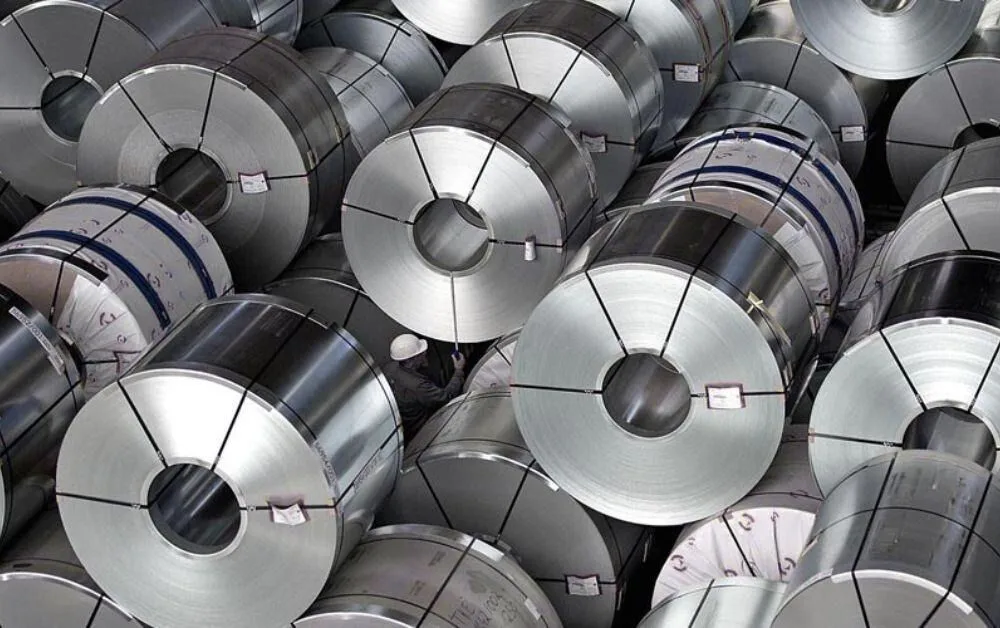
What Are Stainless Steel Coils?
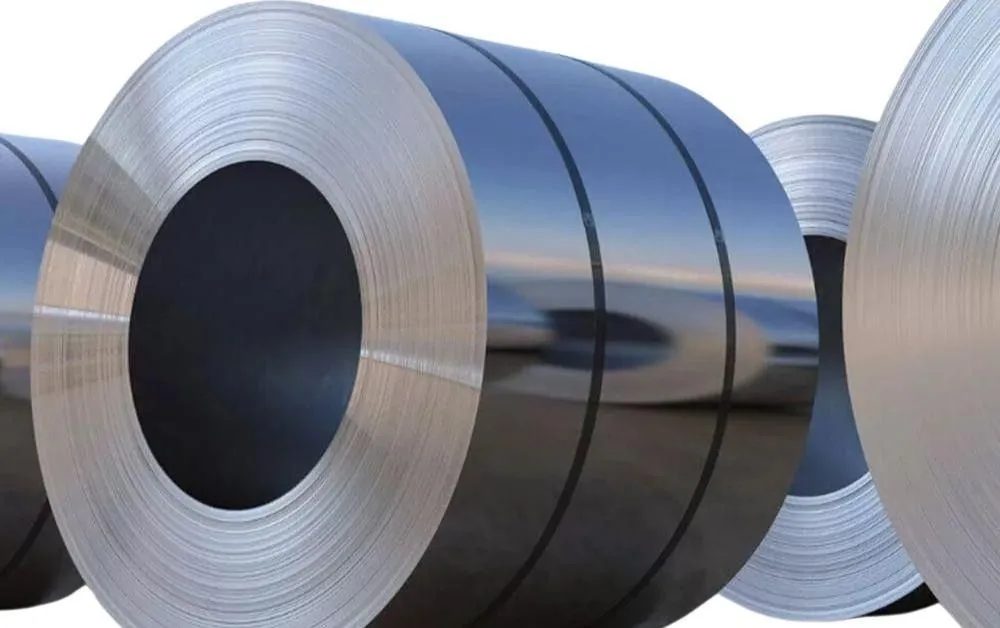
Before comparing, one needs to know what stainless steel coils are. Stainless steel coils are flat-rolled stainless steel sheets rolled into the shape of coils. They are made through the hot or cold rolling process and are commonly used to manufacture pipes, tubes, kitchenware, machinery components, and structural parts. Stainless steel coils are valued for their strength, corrosion, oxidation resistance, and endurance at high or low temperatures.
304 Stainless Steel Coils: Properties and Uses
304 stainless steel is the most common grade, often called “18/8” stainless, because it comprises 18% chromium and 8% nickel. This offers a blend of corrosion resistance, strength, and formability.
Main Properties:
- Corrosion Resistance: Excellent corrosion and oxidation resistance in most environments.
- Formability: Excellent welding and forming properties.
- Temperature Resistance: Very good in high and low temperatures, not for chloride environments.
Common Applications:
- Kitchen appliances and utensils
- Architectural paneling and trim
- Food processing equipment
- Automotive components
- Storage tanks and vessels
304 stainless steel coils are ideal for general applications, especially in indoor environments with minimal exposure to corrosive substances.
Explore more-Key Applications of Hot Rolled Steel Coils in Shipbuilding
316 Stainless Steel Coils: Properties and Applications
316 stainless steel shares the appearance and structure of 304 but has an essential alloying element—molybdenum (typically around 2-3%). This improves its corrosion resistance, especially to chlorides and other industrial solvents.
Key Properties:
- Superb Corrosion Resistance: Highly resistant to chlorides and hence suitable for marine and chemical environments.
- Strength and Durability: Slightly stronger and more resilient under high-tensile conditions.
- Hygienic Surface: Smoother and more manageable to sterilize and clean; hence, it is best for pharmaceutical and medical uses.
Typical Applications:
- Marine environments (e.g., coastal architecture, boat fittings)
- Chemical storage and processing
- Surgical instruments and medical devices
- Pharmaceutical equipment
- Food and beverage processing in salt-rich environments
316 stainless steel coils are preferred in environments with high moisture, salinity, or chemical exposure.
304 vs 316 Stainless Steel Coils: A Side-by-Side Comparison
| Feature | 304 Stainless Steel Coils | 316 Stainless Steel Coils |
| Composition | 18% Cr, 8% Ni | 16-18% Cr, 10-14% Ni, 2-3% Mo |
| Corrosion Resistance | High | Very High (especially against chlorides) |
| Cost | Lower | Higher (molybdenum content) |
| Strength and Durability | Excellent | Superior in corrosive environments |
| Formability and Weldability | Excellent | Excellent |
| Applications | General use | Harsh, chemical, or marine environments |
Which Stainless Steel Coil Should You Use?
Using 304 or 316 stainless steel coils depends on your needs and environmental conditions.
Use 304 Stainless Steel Coils if:
- Your application is indoors or in a mildly corrosive environment.
- You want a cost-effective yet durable solution.
- You’re dealing with food-grade or architectural projects that don’t involve saline or acidic exposure.
Choose 316 Stainless Steel Coils if:
- Your application involves exposure to saltwater, chlorine, or harsh chemicals.
- You require top-tier corrosion resistance and durability.
- You’re manufacturing products for the medical, marine, or pharmaceutical sectors.
Despite having a higher initial cost, 316 can save money over time in most industrial applications by requiring less maintenance and extending the life of materials.
Conclusion
Both 304 and 316 stainless steel coils are superior quality materials with a mix of strength, durability, and resistance to environmental factors. However, the appropriate choice depends on where and for what the material is intended to be used. For standard applications with minimal exposure to corrosive elements, 304 is a reliable and economical option. On the other hand, if you’re working in harsh environments or require the highest levels of corrosion resistance, investing in 316 stainless steel coils is the more intelligent choice.
When selecting stainless steel coils, consider operating conditions, environmental exposure, and long-term maintenance requirements. By understanding each grade’s properties and best-use scenarios, you’ll be better equipped to choose the stainless-steel coil that delivers optimal performance and value.