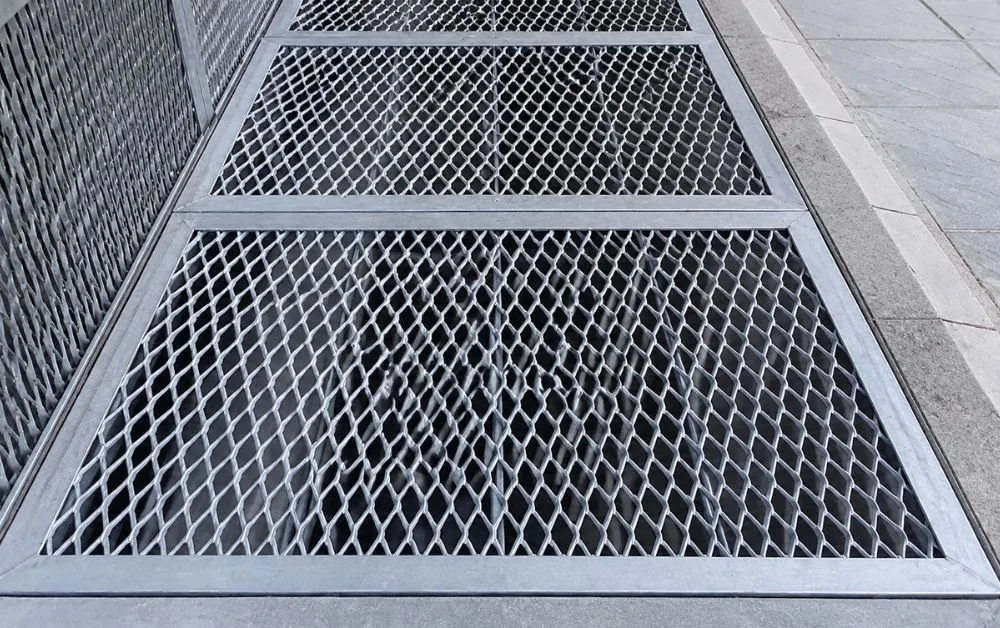
Gi Grating — hot-dip galvanised steel bar grating — is one of the most widely used industrial flooring, walkway, and drainage cover materials across the UAE’s oil and gas facilities, water and power infrastructure, industrial plants, and commercial construction projects. Its combination of high load capacity per unit weight, excellent drainage and ventilation, long service life through galvanised corrosion protection, and straightforward fabrication into custom platform layouts makes it the practical standard specification for open-bar flooring applications across virtually every industrial and infrastructure sector in the country.
Types of GI Grating
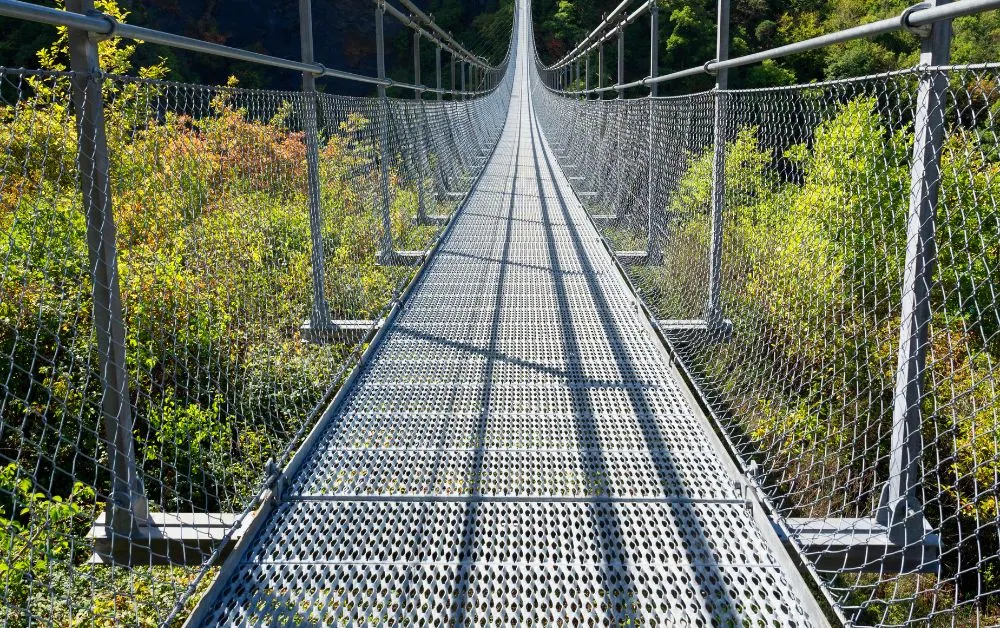
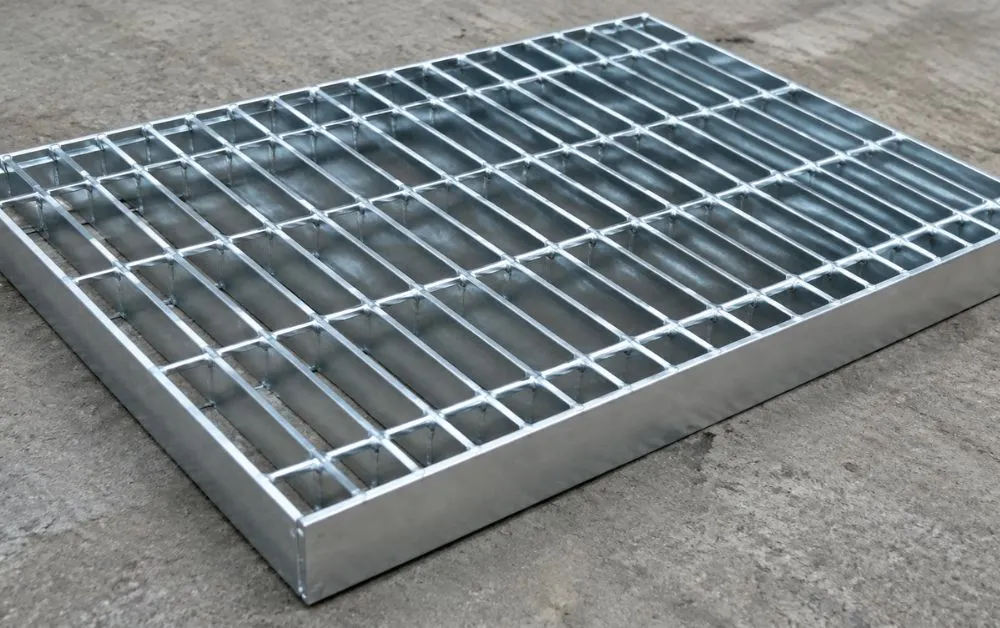
Gi grating is manufactured in several distinct construction types, each suited to different application requirements. Welded pressure-locked grating is the most common type for UAE industrial applications — bearing bars and cross bars are resistance-welded at each intersection to create a rigid, dimensionally stable panel with consistently predictable load capacity. Press-locked grating uses a cold-pressing process to interlock cross bars into pre-punched slots in bearing bars without welding, creating a smooth, snag-free top surface particularly appropriate for pedestrian-intensive areas. Serrated bearing gi grating adds serrated teeth to the top surface of bearing bars, providing significantly enhanced slip resistance for wet, oily, or dusty environments including chemical plant walkways, offshore platforms, and maintenance access areas around process equipment.
Hot-Dip Galvanising: Essential for UAE Service
The hot-dip galvanising process applied to finished grating panels is what transforms carbon steel bar grating from a material with an operational life measured in years into one measured in decades in UAE service conditions. The galvanising process produces a metallurgically bonded zinc-iron alloy coating across all grating surfaces — including the inaccessible internal surfaces at bar intersections — at coating weights of typically 600 to 900 grams per square metre for structural gi grating. This continuous, sealed coating provides both barrier protection — physically preventing moisture and atmospheric oxygen from reaching the steel substrate — and sacrificial cathodic protection at any coating damage points, where the zinc corrodes preferentially to protect the underlying steel.
Related read:-Top Benefits of Using GI Grating in Construction Projects
Load Capacity Selection
The most critical specification decision for any UAE grating installation is matching the bearing bar size and spacing to the actual load requirements of the application. Grating load capacity depends on the bearing bar height and thickness (which determines its section modulus), the bearing bar spacing centre-to-centre, and the clear span between support members. Grating manufacturers publish load tables for standard bearing bar profiles across standard spans and load types — uniformly distributed loads for general pedestrian and light vehicle access, and concentrated point loads for specific equipment and vehicle axle loads. For UAE industrial projects with formal inspection requirements, structural load calculations should be documented and reviewed as part of the inspection plan.
Custom Fabrication for UAE Projects
UAE gi grating suppliers provide both stock panel sizes for straightforward platform applications and comprehensive custom fabrication services for complex platform layouts. Custom services include panel cutting to exact dimensions matching the actual platform geometry; band saw or plasma cutting of curved profiles where circular or irregular platform perimeters require non-rectangular panel shapes; drilling of bolt holes at defined positions for fixing to support steelwork; welding of nosing strip sections to stair tread leading edges to improve durability and user safety; installation of toe plates around platform perimeters to prevent items falling from elevated platforms; and preparation of cutouts for pipe penetrations, equipment bases, and access hatches.