Introduction
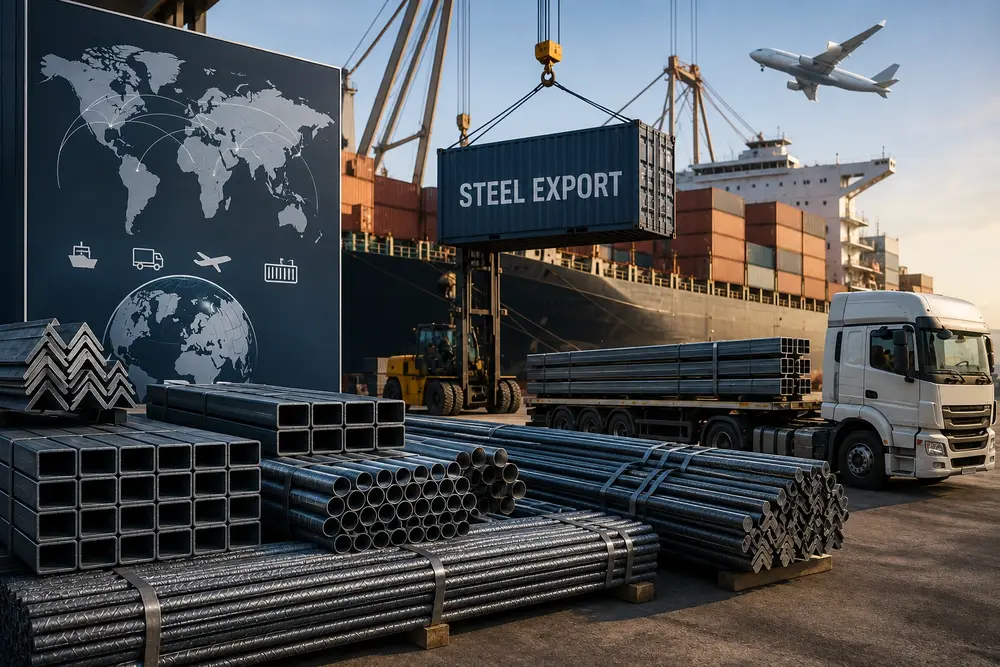
The UAE has become one of the most active steel trading hubs in the Middle East, with its ports, free zones, and logistics infrastructure supporting steel movement to markets across the Gulf, Africa, and South Asia. Steel exporters operating from the UAE combine strong sourcing relationships, established shipping routes, and compliance expertise to move steel products efficiently across borders. As regional demand for construction and infrastructure materials continues to grow, and as buyers increasingly ask about lower-carbon and traceable steel supply chains, the standards expected of a serious exporter have only risen. Sydney Metal Trading works as one of the trusted steel exporters serving regional and international buyers, supplying structural sections, plates, pipes, and coils to markets beyond the UAE.
Why the UAE Is a Regional Steel Trade Hub
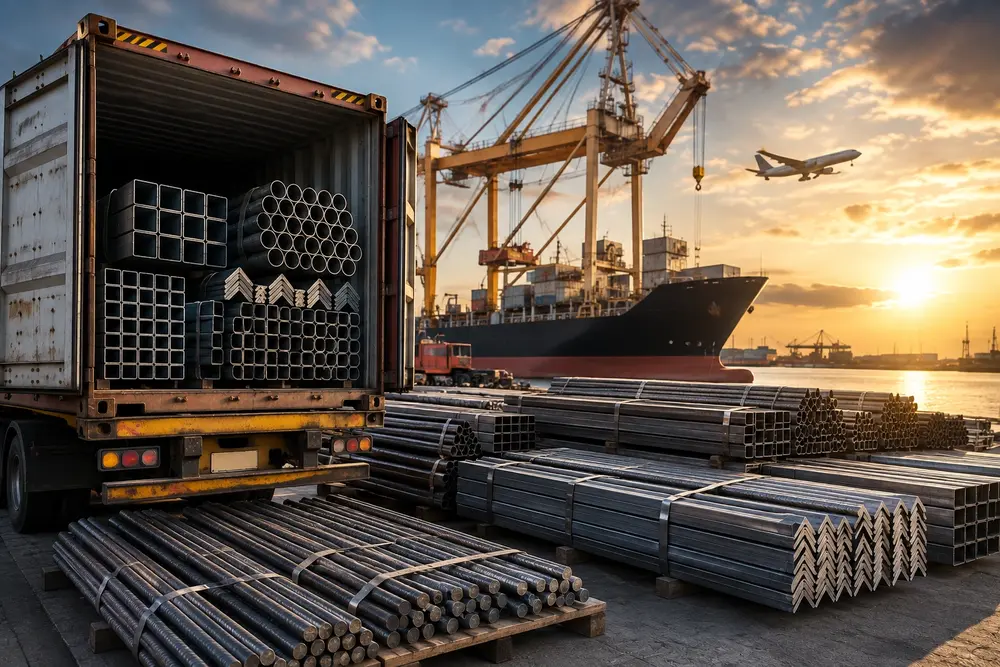
The UAE’s position between Europe, Asia, and Africa, combined with major ports and free zone trading advantages, has made it a natural hub for steel trade across the region. Businesses based in the UAE can access steel from multiple international mills, hold stock locally, and ship onward to Gulf, African, and South Asian markets with shorter lead times than sourcing directly from origin countries. This trading model benefits buyers who need smaller or more frequent shipments than a mill would typically supply directly, giving them flexibility without sacrificing consistency of supply.
What International Buyers Look for in a Steel Exporter
Buyer’s sourcing steel internationally prioritize a few key factors above all else. Consistency of quality across shipments matters as much as the initial sample or specification sheet, since buyers are rarely able to inspect every shipment in person before it arrives. Reliable communication around shipping schedules, documentation, and any delays helps buyers plan their own downstream operations. And competitive, transparent pricing that accounts for freight and duties avoids unpleasant surprises at the receiving port. Exporters who consistently deliver on these fronts build long-term repeat business rather than one-off transactions, which is ultimately what most international buyers are looking for.
Export Documentation and Compliance Requirements
Exporting steel internationally involves a set of standard documentation that buyers and customs authorities expect to see with every shipment. This typically includes commercial invoices, packing lists, certificates of origin, and mill test certificates confirming the chemical and mechanical properties of the steel supplied. Depending on the destination market, additional inspection certificates or conformity assessments may also be required, particularly as more countries tighten import standards around material quality and traceability. Getting this documentation right the first time avoids costly delays at customs and keeps shipments moving on schedule.
Common Export Destinations and Product Demand
UAE steel exporters typically serve a mix of regional and international markets, each with slightly different product demand. Neighbouring GCC countries often import structural sections, pipes, and plates for active construction sectors. African markets frequently demand a broader mix of products, including coils and reinforcing materials, to support growing infrastructure development. South Asian markets vary by product, often driven by local manufacturing and fabrication capacity. Understanding these demand patterns helps exporters plan stock and shipping schedules more efficiently, rather than reacting to orders one at a time.
Logistics and Shipping Considerations for Steel Cargo
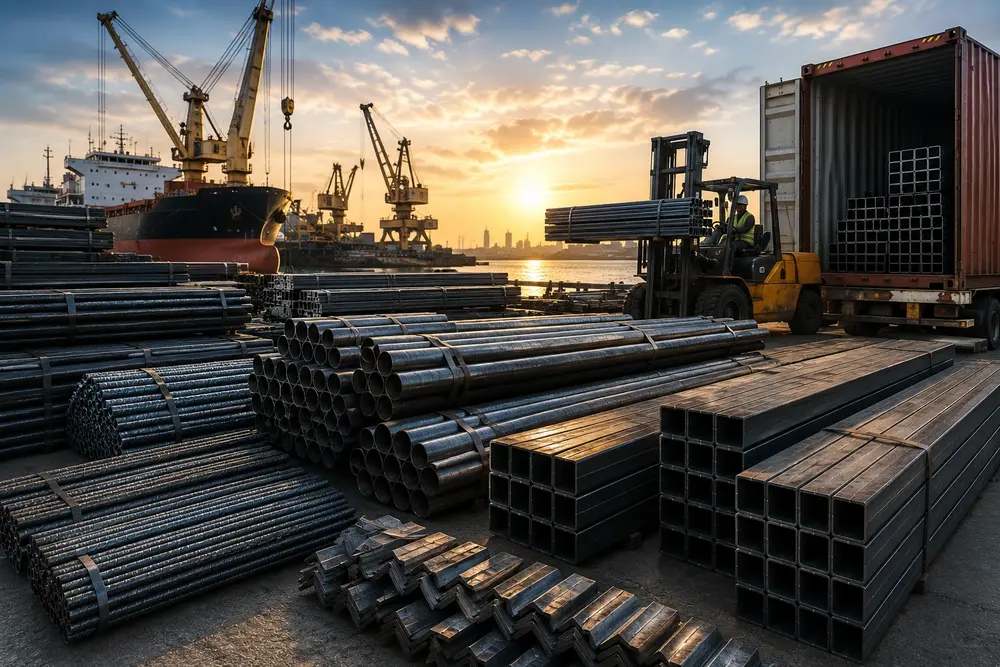
Steel cargo presents specific logistics challenges due to its weight, handling requirements, and sensitivity to corrosion during transit. Proper packing and protection — particularly for coated or polished products — prevents damage from moisture exposure during sea freight. Container versus break-bulk shipping decisions depend on the product type and shipment size, with larger structural sections often requiring specialized handling and lifting equipment at both the loading and receiving ports. Working with freight partners experienced in steel cargo reduces the risk of damage claims and shipment delays.
How Sydney Metal Trading Supports Export Clients
Sydney Metal Trading supports export clients with a combination of stock availability, documentation support, and logistics coordination that simplifies international steel purchasing. From preparing the correct mill certificates to advising on packing requirements for sea freight, the goal is to make cross-border steel sourcing straightforward for buyers who may not have a presence in the UAE themselves, and who are relying on their exporter to manage the details correctly the first time.
Related blog – Why Steel Exporters Are Essential to Global Trade
Building Long-Term Relationships with Overseas Buyers
Repeat international business depends on trust built up over several successful shipments, not just one good deal. Buyers who know an exporter will consistently supply the correct grade, package it properly, and provide accurate paperwork are far more likely to place larger and more frequent orders over time. This is why established UAE steel exporters invest as much in communication and after-sales support as they do in the shipment itself, treating each order as part of an ongoing trading relationship rather than a single sale.
Conclusion
As trade routes across the Gulf, Africa, and South Asia continue to grow, the role of established steel exporters based in the UAE becomes increasingly important to international buyers. Sydney Metal Trading operates as a dependable partner among UAE steel exporters, combining product range, documentation, and logistics support for buyers across the region. Contact Sydney Metal Trading today to discuss your export steel requirements.