Introduction
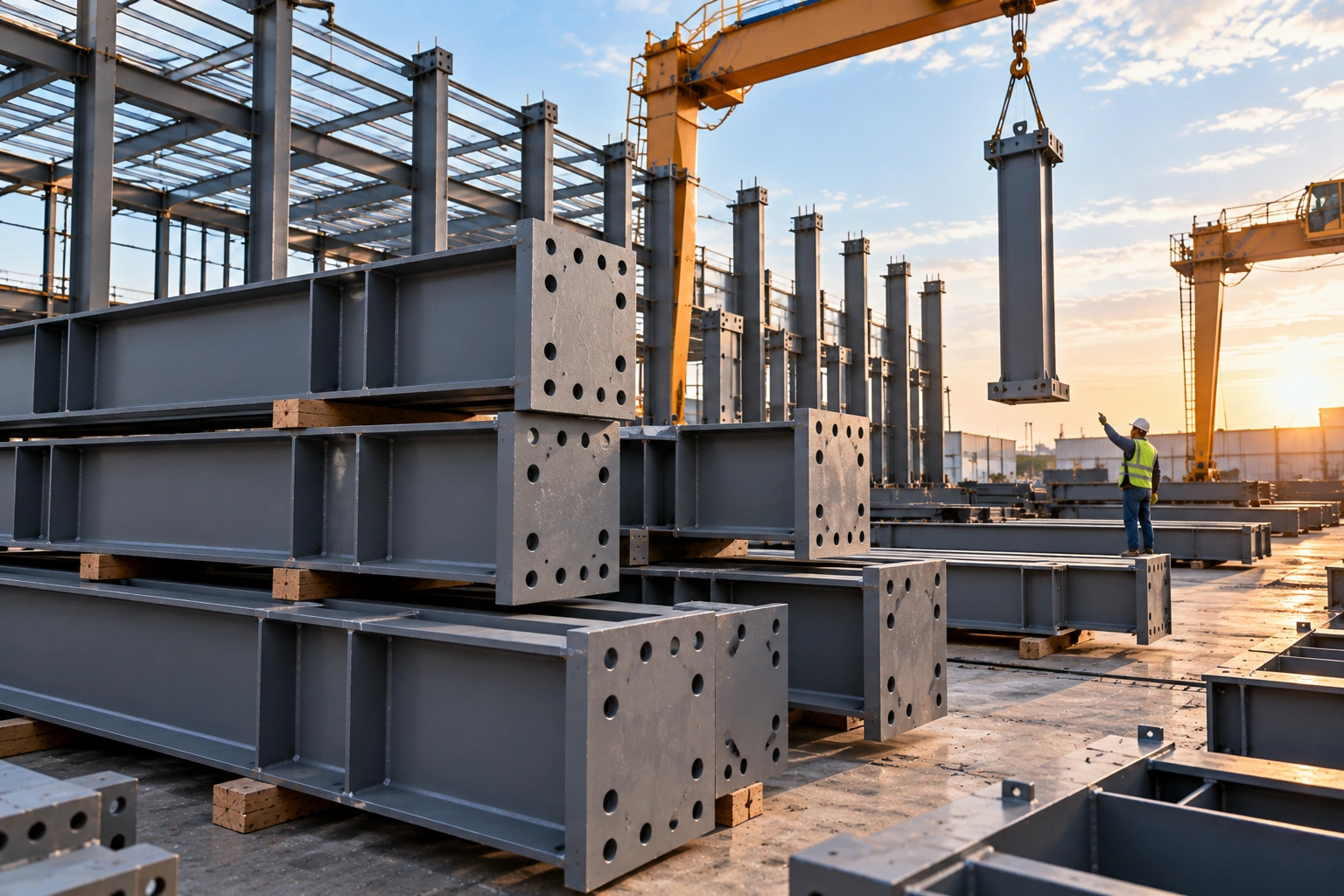
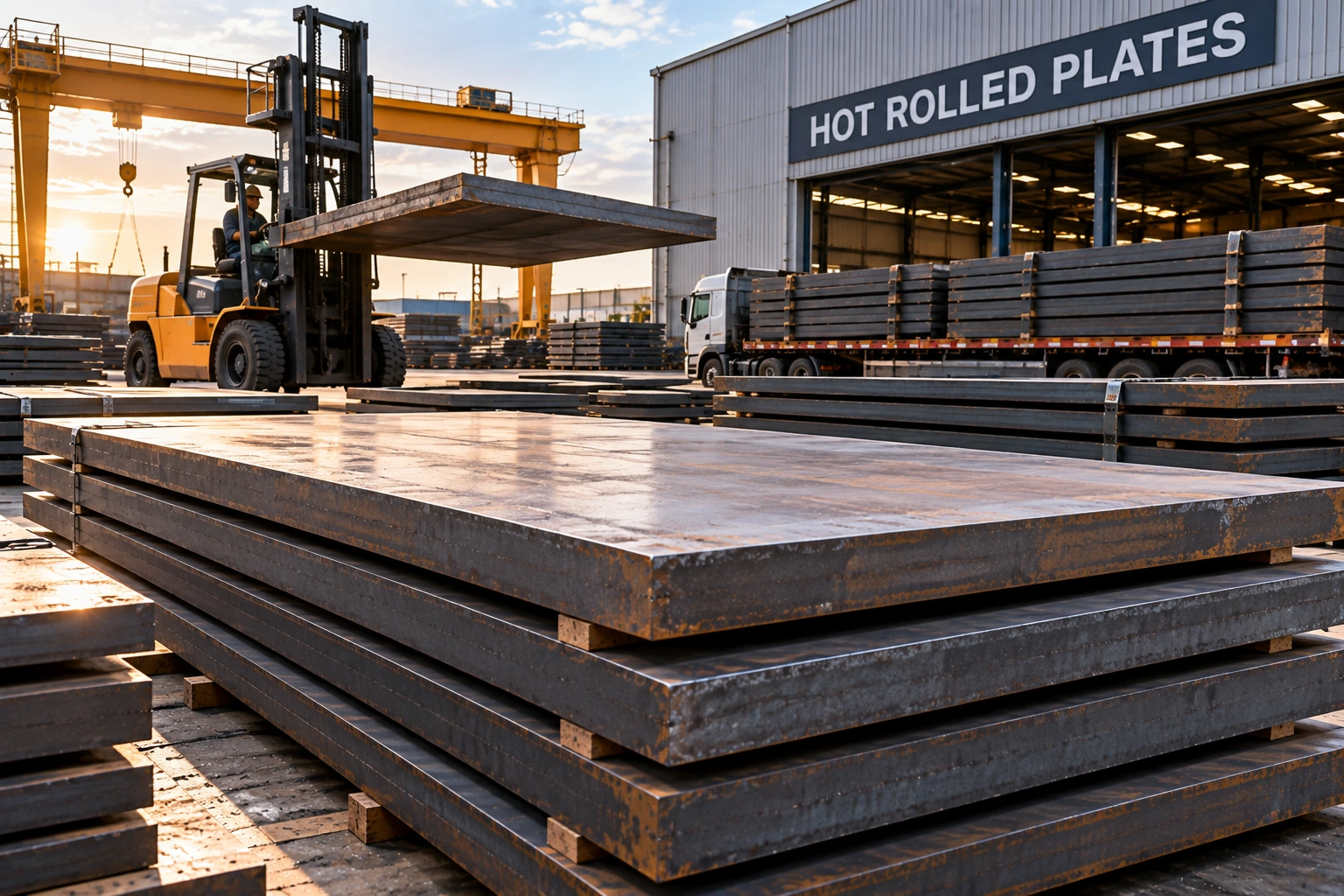
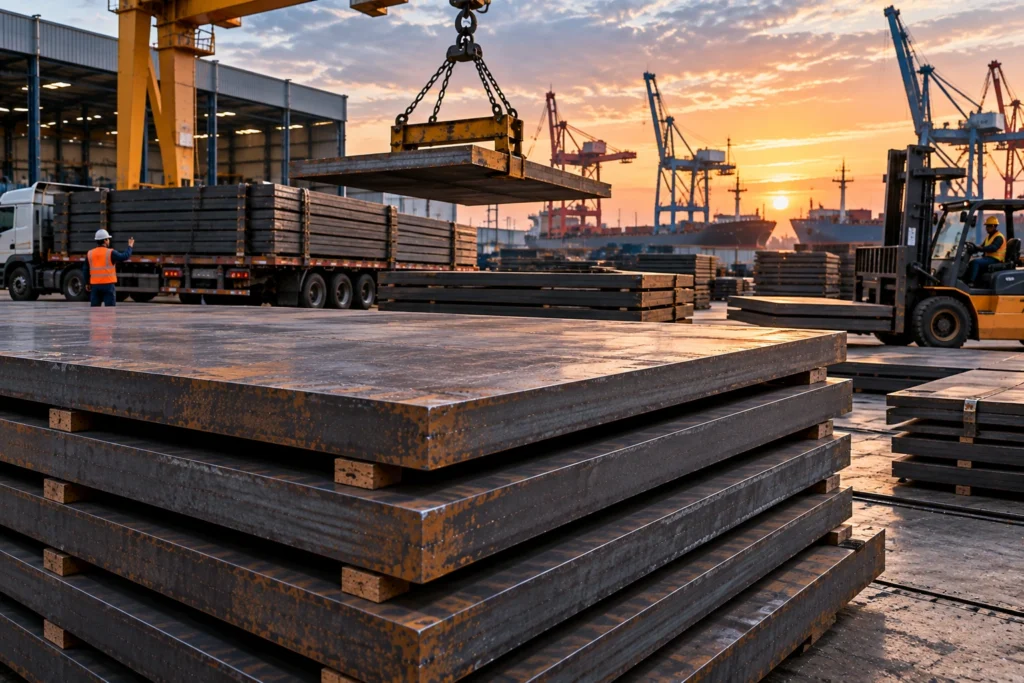
Hot rolled plates are one of the most commonly ordered steel products in the UAE, used everywhere from structural fabrication workshops to heavy engineering yards. Producers roll steel slabs at high temperature until they reach the thickness a project needs, which keeps the manufacturing process fast and the material affordable compared to further-processed alternatives. This makes hot rolled plates the default choice whenever a project needs strength and workability rather than a fine surface finish. With UAE construction activity picking back up through the final quarter of the year, fabricators and contractors are once again placing steady orders for plate stock ahead of new project starts. Sydney Metal Trading supplies hot rolled plates across the thickness range that UAE fabricators, contractors, and manufacturers order most often.
How Hot Rolled Plates Are Produced
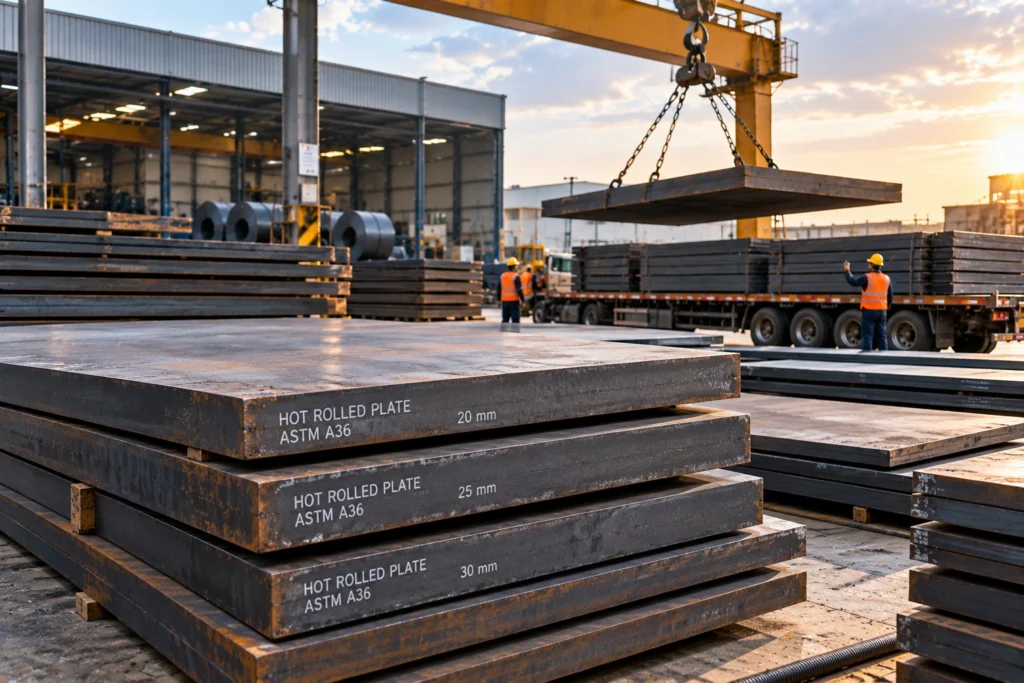
Steel slabs are heated well above their recrystallization temperature and then passed through a series of rollers that gradually reduce them to the required thickness. Because the steel is soft and workable at this temperature, the rolling process can produce heavy plate sizes quickly and at lower cost than cold processing methods. The trade-off is a rougher surface finish, a thin layer of mill scale, and slightly looser dimensional tolerances than cold rolled material. For most structural and fabrication uses, none of this matters, since the plate will be cut, welded, and often coated before it becomes part of a finished structure.
Standard Thickness Ranges and Sizes
Hot rolled plates are stocked from a few millimetres thick up to very heavy sections used in structural and pressure vessel work. Thinner material, generally under six millimetres, is usually described as sheet rather than plate, while anything thicker is referred to as plate across the UAE market. Standard sheet sizes are cut down to project dimensions during fabrication, so buyers rarely need to specify anything beyond thickness, grade, and quantity for routine orders. Heavier plate is used less often but needs to be planned for early, since very thick sections may carry longer lead times than standard stock.
Grades and Mechanical Properties
Hot rolled plates are produced in several grades to suit different structural and fabrication needs. S275 is a common general-purpose grade for standard fabrication and light structural work. S355 offers higher yield strength, which lets engineers specify thinner plate for the same load-carrying performance, saving both weight and cost on larger structures. ASTM A36 remains common on projects following US-based specifications. Choosing the correct grade at the design stage avoids costly substitutions once fabrication has already started.
Common Applications Across UAE Industry
Hot rolled plates appear across a wide range of UAE construction and industrial work.
- Base plates and gusset plates use hot rolled material at structural connections.
- Tank and vessel fabrication relies on plate steel for shells and heads.
- Machine bases and equipment mounting plates use heavier sections for stability.
- Shipbuilding and marine fabrication use plate steel for hulls and deck structures.
- General workshop fabrication uses hot rolled plate for brackets, frames, and custom components of every size.
Cost Factors and Ordering Considerations
Plate thickness and weight are the biggest drivers of cost, but grade, surface condition, and any cutting or shot-blasting services add to the total price. Order quantity matters too, since bulk orders typically achieve better per-tonne pricing than small one-off purchases. Buyers planning larger fabrication runs benefit from confirming stock availability early, particularly for heavier or less common thicknesses, so that mill lead times do not affect a project’s cutting and welding schedule further down the line.
Related blog post – Top 5 Applications of Hot Rolled Plates in Dubai’s Construction Industry
Cutting, Processing and Quality Documentation
Most hot rolled plate orders are cut to size before reaching the workshop floor. Sydney Metal Trading offers plasma and flame cutting services that convert standard stock into the shapes a project drawing calls for, reducing handling time at the client’s own facility. Mill test certificates confirming chemical composition and mechanical properties are provided with hot rolled plate supply wherever a project specification requires this documentation, giving quality inspectors the traceability, they need to approve structural and fabrication work.
Conclusion
Hot rolled plates remain one of the most practical and widely used steel products across UAE construction, fabrication, and manufacturing. Whether a project needs light gauge sheet or heavy structural plate, Sydney Metal Trading supplies hot rolled plates with the stock depth, cutting services, and documentation UAE projects rely on. Contact Sydney Metal Trading today to discuss your hot rolled plate requirements.