Steel columns are essential components in modern construction, providing structural support, stability, and durability. Choosing the right steel column for your project ensures safety, efficiency, and cost-effectiveness. However, with different types, sizes, and grades available, selecting the right one can be challenging. Here’s a guide to help you make an informed decision when choosing the best steel column for your construction needs.
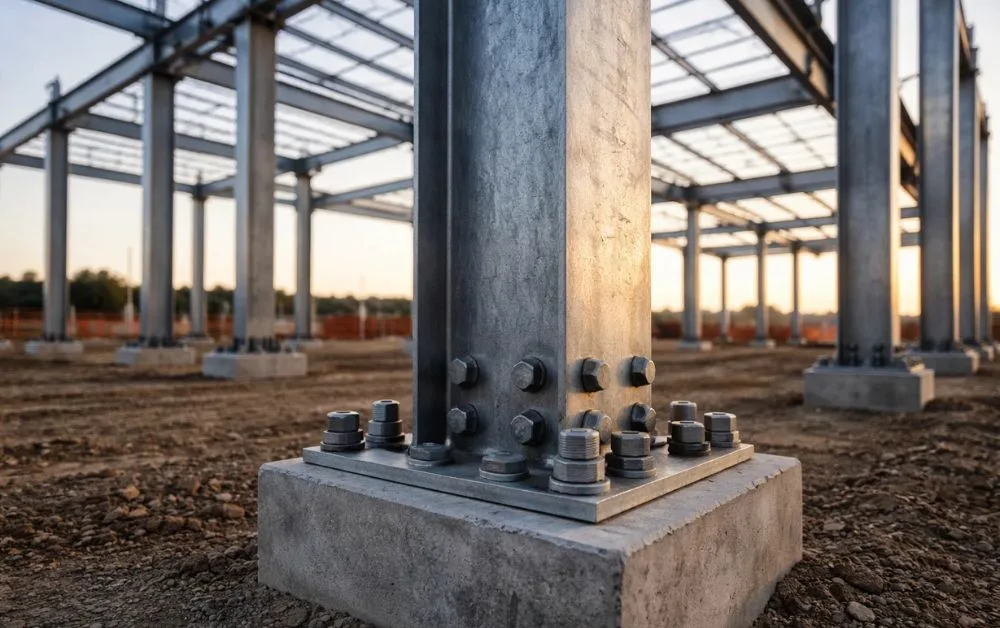
1. Understand the Types of Steel Columns
Steel columns come in various shapes and designs, each suited for specific applications:
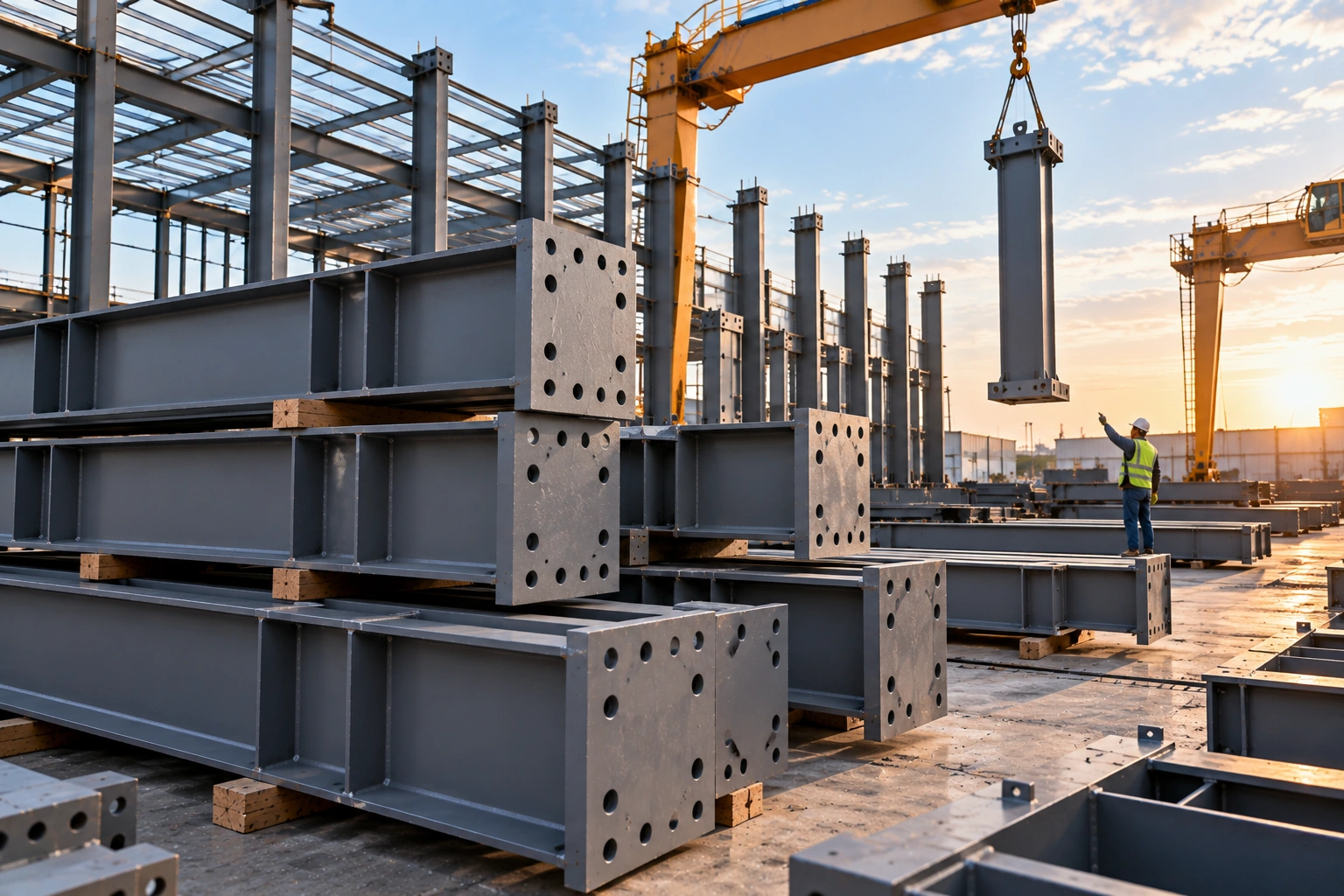
- I-Beam Columns – Also known as H-columns, these are widely used in large buildings due to their high load-bearing capacity.
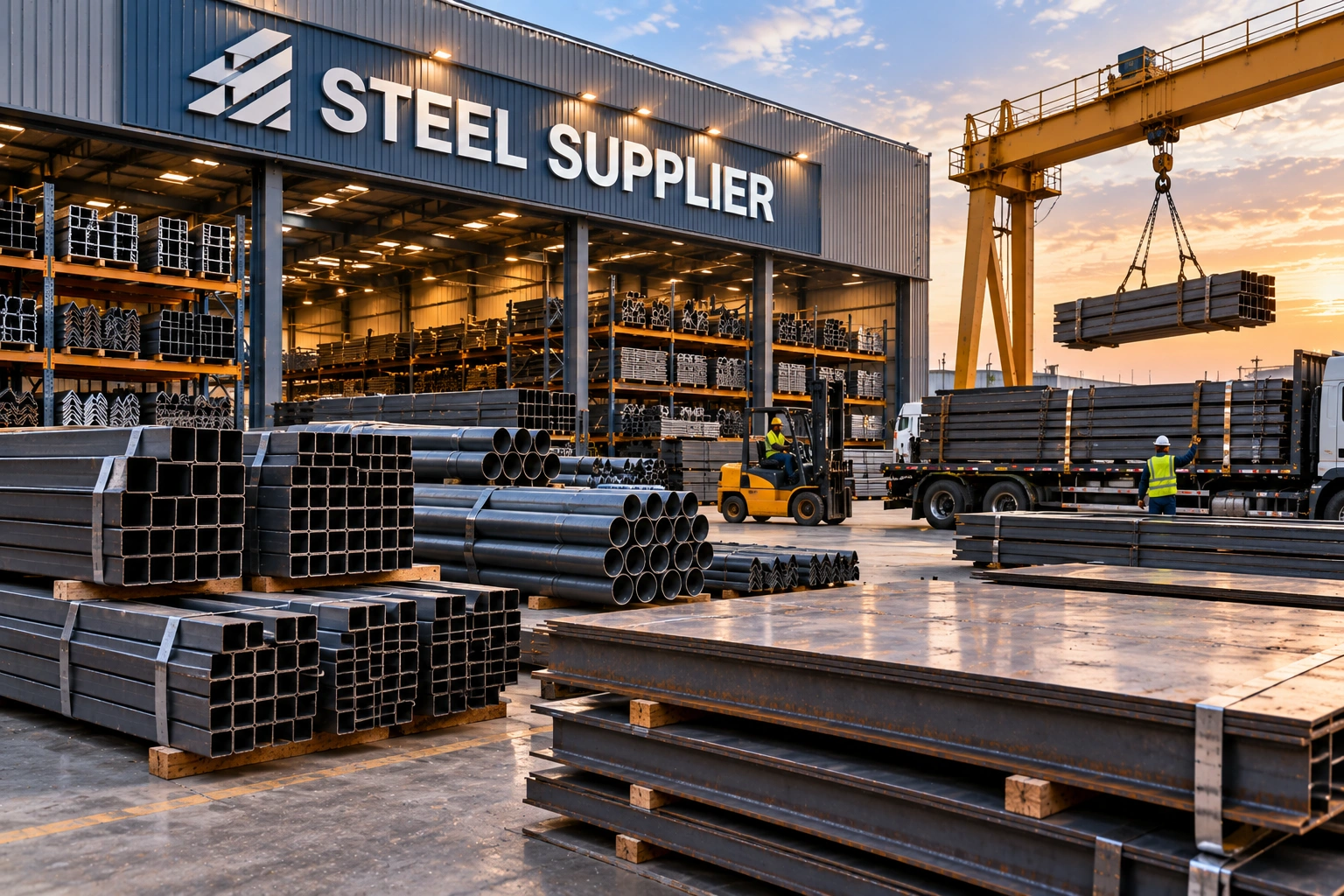
- Rectangular and Square Hollow Sections (RHS/SHS) – Ideal for architectural applications, these columns provide a sleek look while offering strength.
- Circular Hollow Sections (CHS) – Commonly used in aesthetic and structural applications, offering high resistance to torsion.
- Angle Steel Columns – Used in light construction, such as small buildings and warehouses.
2. Consider the Load-Bearing Capacity
The primary function of a steel column is to bear loads. You must determine:
- Dead Load: The weight of the building materials and structure.
- Live Load: The weight of people, furniture, and other moveable objects.
- Wind and Seismic Load: The impact of external forces like wind pressure and earthquakes.
Your structural engineer will calculate the required load-bearing capacity and suggest the appropriate column type and size.
3. Choose the Right Steel Grade
Different grades of steel provide varying levels of strength, ductility, and corrosion resistance. Common steel grades used in columns include:
- Mild Steel (MS): Cost-effective and suitable for general construction.
- High-Strength Low-Alloy (HSLA) Steel: Provides better strength and durability with reduced weight.
- Galvanized Steel: Coated with zinc for enhanced corrosion resistance, ideal for outdoor structures.
- Stainless Steel: Used in highly corrosive environments and premium construction projects.
Additional resources-Why Steel Exporters Are Essential to Global Trade
4. Assess Corrosion Resistance Needs
If your construction project is in a high-moisture or coastal area, corrosion resistance is crucial. Galvanized and stainless steel columns offer superior protection against rust, ensuring a longer lifespan with minimal maintenance.
5. Factor in the Column Size and Thickness
The dimensions of the steel column must align with your project’s structural requirements. Over- or under-sizing a column can affect the building’s stability and increase costs. A structural engineer can determine the appropriate thickness and cross-section based on load calculations.
6. Cost and Budget Considerations
While high-quality steel columns may have a higher upfront cost, they offer long-term benefits such as durability and reduced maintenance. Balancing quality with budget constraints is crucial to achieving an efficient and cost-effective construction project.
Conclusion
Selecting the right steel column involves careful consideration of type, load capacity, steel grade, corrosion resistance, size, and budget. Choosing the best option ensures structural integrity, safety, and long-term performance. For high-quality steel columns that meet industry standards, Sydney Metal Trading is a trusted name, offering a wide range of steel products tailored to construction needs. With expert guidance and top-tier materials, Sydney Metal Trading helps you build strong, reliable, and sustainable structures.