Dubai, one of the most advanced cities in the Middle East, has rapidly transformed into a global hub for commerce, real estate, infrastructure, and sustainable development. As the city continues to expand its industrial base and urban landscape, there’s growing attention on environmental sustainability and waste reduction. One major area of focus is the recycling of stainless steel coils, which plays a vital role in supporting Dubai’s circular economy.
Stainless steel, known for its corrosion resistance, strength, and long service life, is used extensively in construction, transportation, consumer goods, and manufacturing industries across the UAE. However, the real value of stainless steel lies not only in its initial utility but in its recyclability. Recycling stainless steel coils not only conserves natural resources but also significantly reduces carbon emissions and energy consumption.
Understanding Stainless Steel Coils and Their Use
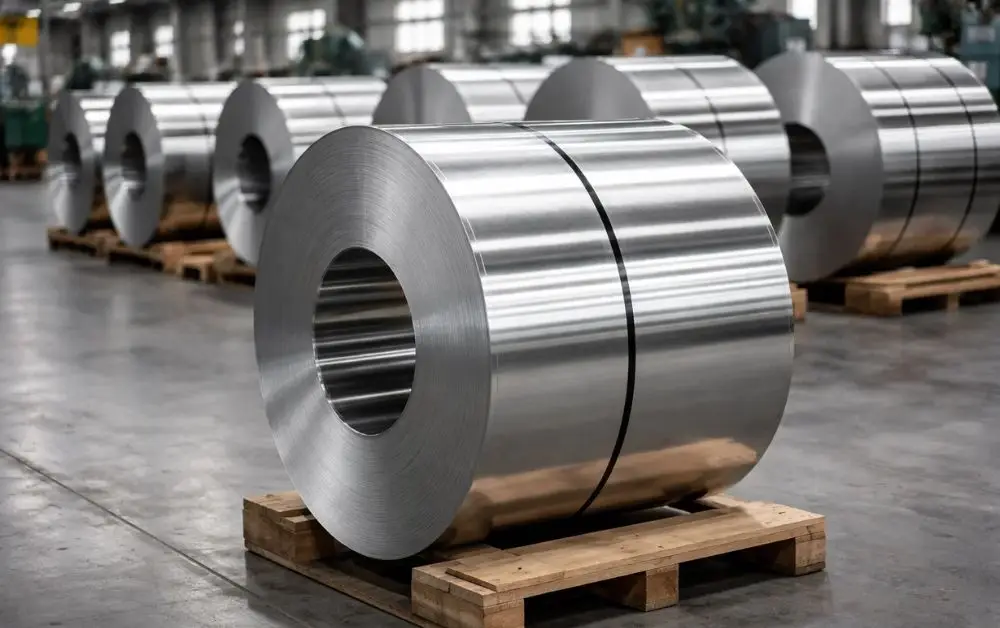
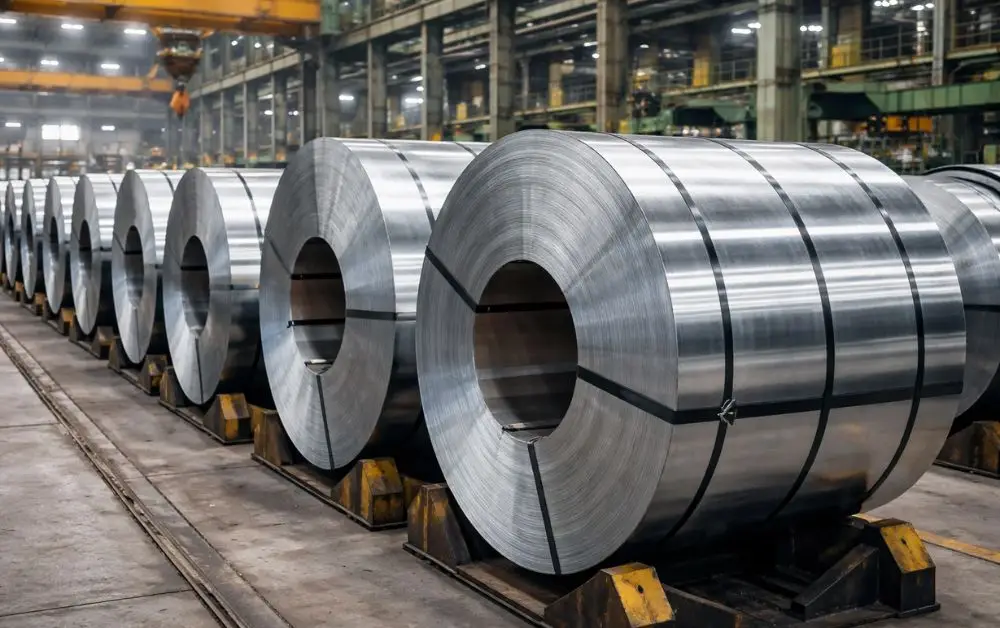
Stainless steel coils are rolled sheets of stainless steel used in a wide range of industrial applications. From building facades and kitchen equipment to automotive parts and oil & gas components, these coils are a cornerstone material in modern infrastructure and consumer goods manufacturing.
Dubai, with its ambitious infrastructure projects, high-rise buildings, airports, and luxury developments, is one of the largest consumers of stainless steel in the region. This results in a continuous flow of stainless steel waste—both post-consumer and post-industrial—that has immense recycling potential.
The Concept of Circular Economy in Dubai
Dubai’s circular economy strategy focuses on creating a closed-loop system where products and materials are kept in use for as long as possible. This approach contrasts the traditional linear model of “take, make, dispose.” Recycling is one of the core principles of a circular economy, helping reduce landfill waste and promoting the efficient use of materials.
In 2021, the Dubai government launched the Circular Economy Policy 2021–2031 to promote sustainability across sectors such as manufacturing, construction, food, and electronics. This policy encourages businesses and industries to adopt environmentally responsible practices—recycling being a critical component.
Why Recycling Stainless Steel Coils Matters
1. Conservation of Resources
Stainless steel is composed of valuable raw materials such as chromium, nickel, and iron. These resources are finite and energy-intensive to mine. Recycling stainless steel coils allows for the recovery and reuse of these metals without the need for additional extraction, conserving natural resources and minimizing ecological damage.
2. Energy Efficiency
Producing stainless steel from recycled scrap requires significantly less energy than producing it from raw materials. According to the International Stainless Steel Forum (ISSF), around 60% of global stainless steel production comes from recycled material. Recycling stainless steel coils in Dubai can contribute to major energy savings, which aligns with the city’s sustainability goals.
3. Reduction in Greenhouse Gas Emissions
Recycling metals, including stainless steel, significantly lowers carbon emissions. The energy saved through recycling directly translates into a reduction in CO₂ emissions. This is especially important in Dubai, where initiatives like the UAE Net Zero by 2050 Strategic Initiative have set the target of achieving net-zero carbon emissions by mid-century.
4. Economic Opportunities
Recycling stainless steel creates economic value by generating jobs in collection, sorting, processing, and trading. With Dubai emerging as a major logistics and trade hub, the recycling of stainless steel coils can foster the development of a robust secondary raw materials market.
5. Waste Reduction and Landfill Diversion
Stainless steel is non-biodegradable. If not recycled, it can occupy landfill space for decades without degrading. By recycling stainless steel coils, Dubai can reduce the volume of waste sent to landfills, thus improving land use and reducing environmental contamination.
Suggested Read-Top 5 Applications of Galvanized Steel Coils You Need to Know
Challenges to Stainless Steel Recycling in Dubai
While the benefits are clear, there are still challenges that need addressing to optimize the recycling of stainless steel coils:
- Lack of awareness among industries and consumers about the recyclability of stainless steel.
- Inefficient waste collection systems, which may not separate stainless steel effectively from other materials.
- Fluctuations in global scrap prices, which can make recycling less economically viable during certain periods.
- Need for advanced technology and infrastructure for sorting and processing stainless steel scrap efficiently.
Dubai’s growing emphasis on sustainability and smart city initiatives presents an opportunity to tackle these challenges head-on through public-private partnerships, regulations, and industry-led innovations.
Global Standards and Best Practices
The recycling of stainless steel is supported by global frameworks and best practices. Organizations such as the Bureau of International Recycling (BIR) and the ISSF provide guidelines and data that promote responsible recycling. Many companies in Dubai are now aligning with these international standards to ensure that stainless steel recycling contributes meaningfully to the circular economy.
Conclusion: Sydney Metal Trading – Leading the Charge in Sustainable Steel Recycling
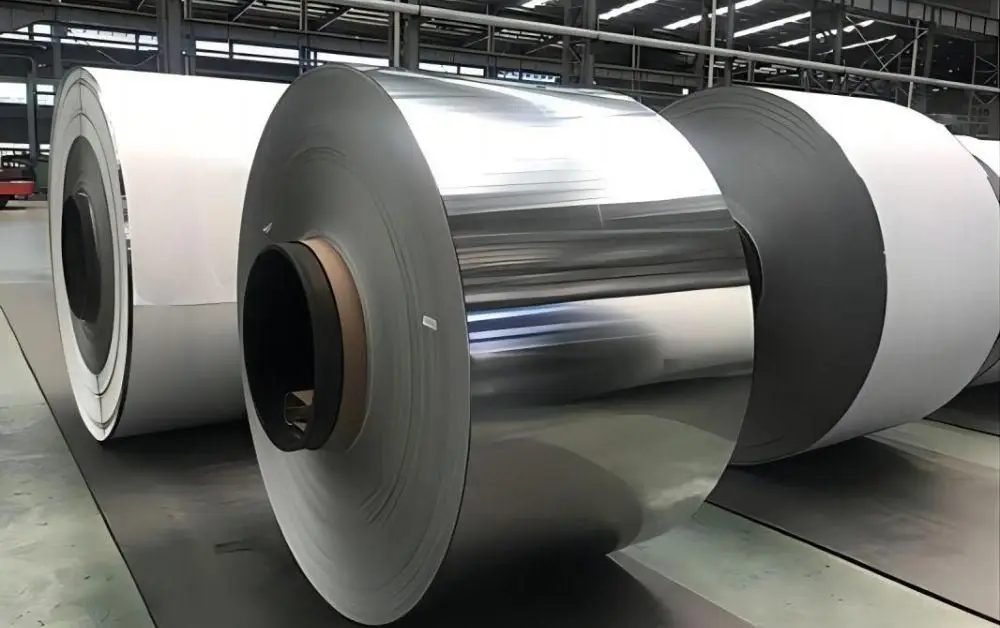
When it comes to sourcing, processing, and promoting the responsible use of stainless steel coils, Sydney Metal Trading stands as a key player in Dubai’s metal industry. The company’s commitment to sustainability, high-quality standards, and reliable recycling practices makes it a trusted partner in advancing the circular economy.
By focusing on the recovery and reuse of stainless steel coils, Sydney Metal Trading not only supports environmental goals but also contributes to building a greener, more resource-efficient Dubai. Their efforts embody the future of sustainable trade—where economic progress and environmental responsibility go hand in hand.