Dubai, a city globally recognized for its architectural marvels and large-scale infrastructure projects, has a robust demand for steel fabrication services. From towering skyscrapers to expansive airports and industrial plants, steel is at the core of the emirate’s construction evolution. To meet the diverse demands of this rapidly growing urban environment, understanding the steel fabrication process in Dubai is essential for engineers, builders, and investors alike.
Steel fabrication is more than just cutting and welding—it’s a precise, high-tech operation involving design, engineering, and metallurgy. This blog dives into how steel fabrication works in Dubai’s unique construction ecosystem, the methods and materials involved, and how the city’s stringent quality standards shape the process.
1. What is Steel Fabrication?
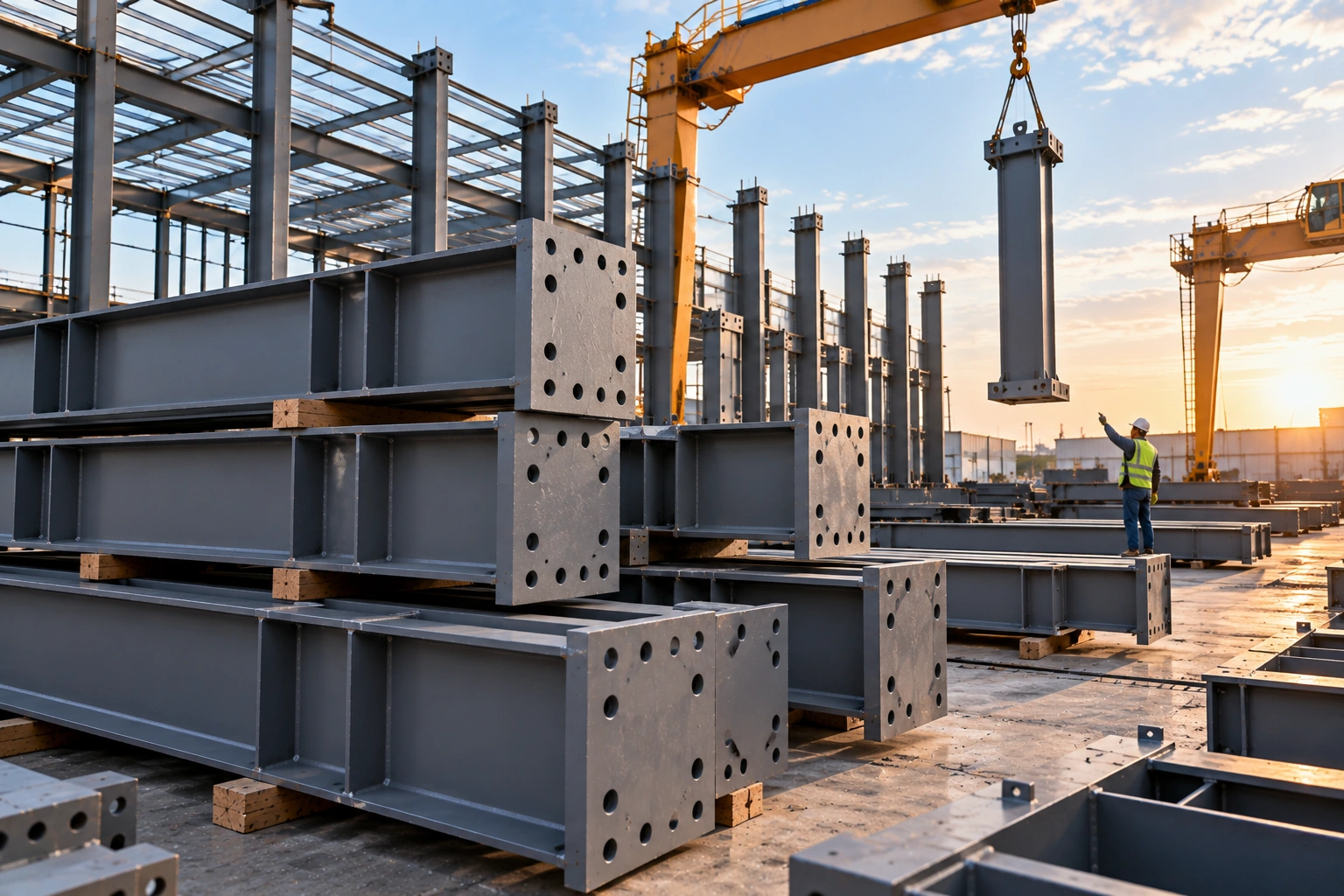
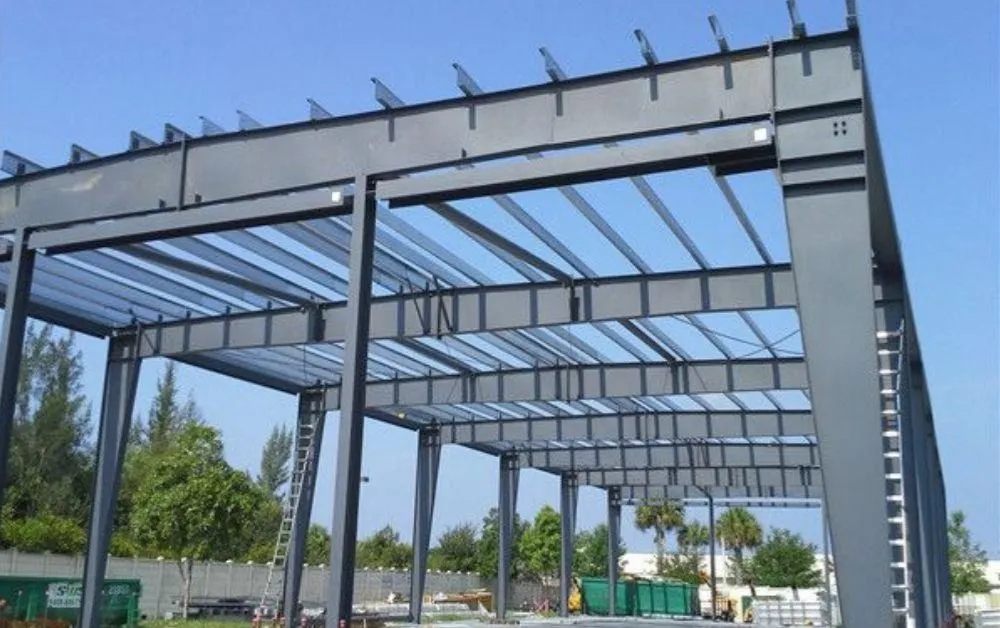
Steel fabrication is the process of transforming raw steel into predefined shapes and structures suitable for use in construction, manufacturing, and other sectors. This involves several stages, including cutting, bending, welding, assembling, and finishing. The resulting steel components are then installed at the construction site or integrated into machinery or equipment.
In Dubai, where the construction sector adheres to international engineering standards, the steel fabrication process is carried out with meticulous precision, often using advanced CNC (Computer Numerical Control) equipment and 3D modeling systems.
2. Key Stages of the Steel Fabrication Process in Dubai
1. Design and Planning
The process starts with comprehensive design and planning. Structural engineers and architects use CAD (Computer-Aided Design) software to prepare detailed drawings of the components to be fabricated. These blueprints serve as the foundation for the entire fabrication process.
Dubai’s construction industry places a heavy emphasis on pre-engineering during this phase to minimize errors during assembly. 3D modeling is often used to simulate how the fabricated steel will perform once installed.
2. Material Selection
Not all steel is the same. Depending on the project’s requirements, various steel grades—such as mild steel, stainless steel, or galvanized steel—are selected. Factors like load-bearing strength, corrosion resistance, and malleability are considered. Dubai’s hot and humid climate often necessitates the use of corrosion-resistant materials, especially in coastal or outdoor projects.
3. Cutting and Shaping
Once materials are sourced, they are cut into the required dimensions using tools like laser cutters, plasma torches, and water jets. In modern fabrication facilities across Dubai, this is done with high-precision machines to ensure tight tolerances.
Shaping processes like bending and rolling come next. These alter the form of the steel without compromising its strength. Robotic arms and hydraulic presses are common in advanced fabrication workshops throughout the UAE.
4. Welding and Assembly
This is a core part of the fabrication process. Various components are welded together to form complete steel structures. Dubai follows stringent safety and quality codes, which means only certified welders and technicians are allowed to work on large-scale projects. Non-destructive testing (NDT) techniques such as ultrasonic and radiographic testing are commonly used to verify weld quality.
5. Surface Treatment and Finishing
In Dubai, steel structures often face harsh environmental conditions, so surface treatment is a vital part of fabrication. Techniques like galvanizing, powder coating, or painting are applied to improve the steel’s resistance to rust, wear, and corrosion. These treatments also enhance the aesthetic appeal of exposed steel structures.
6. Inspection and Quality Assurance
Quality control is non-negotiable in Dubai’s construction industry. Each fabricated component undergoes rigorous testing to ensure it meets both local regulations (such as those set by Dubai Municipality and DMCC) and international standards (like ISO and ASTM). Certifications, documentation, and traceability are critical during this phase.
7. Delivery and Installation
After final approval, the fabricated steel is transported to the construction site. In many cases, prefabricated steel components allow for faster assembly, which helps reduce labor costs and timelines. Dubai’s well-developed logistics and infrastructure network make transportation efficient and reliable.
Related read:-How Structural Steel Products Shape Today’s Commercial and Industrial Projects
3. Applications of Steel Fabrication in Dubai
Steel fabrication plays a vital role in a wide array of sectors across Dubai:
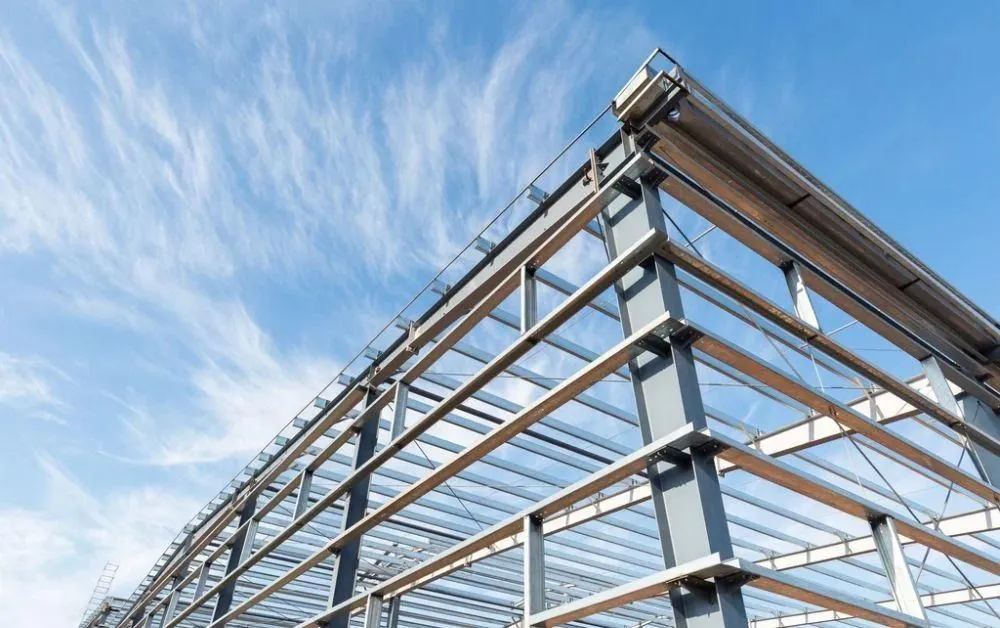
- Skyscrapers & High-Rises: Steel frameworks form the backbone of many of Dubai’s landmark buildings.
- Industrial Facilities: Warehouses, power plants, and manufacturing units rely on fabricated steel structures.
- Transportation Infrastructure: Bridges, metro stations, and airports use fabricated steel for both aesthetics and structural integrity.
- Oil & Gas Industry: Specialized steel components are fabricated for rigs, pipelines, and refineries.
- Architectural Features: Custom-made steel elements are used for staircases, cladding, and facades.
4. Local Considerations in Dubai’s Fabrication Industry
Dubai’s steel fabrication industry is shaped by several unique factors:
- Climate Adaptation: Materials and designs must withstand high temperatures, humidity, and occasional sandstorms.
- Regulatory Compliance: The UAE has established a strong regulatory framework to ensure worker safety, environmental sustainability, and structural integrity.
- Sustainability Goals: Dubai’s focus on sustainable construction has encouraged the use of recycled steel and energy-efficient fabrication methods.
- Skilled Workforce: A mix of local and international talent operates in this sector, supported by continuous upskilling programs and certifications.
Conclusion: Sydney Metal Trading – A Trusted Name in Dubai’s Steel Industry
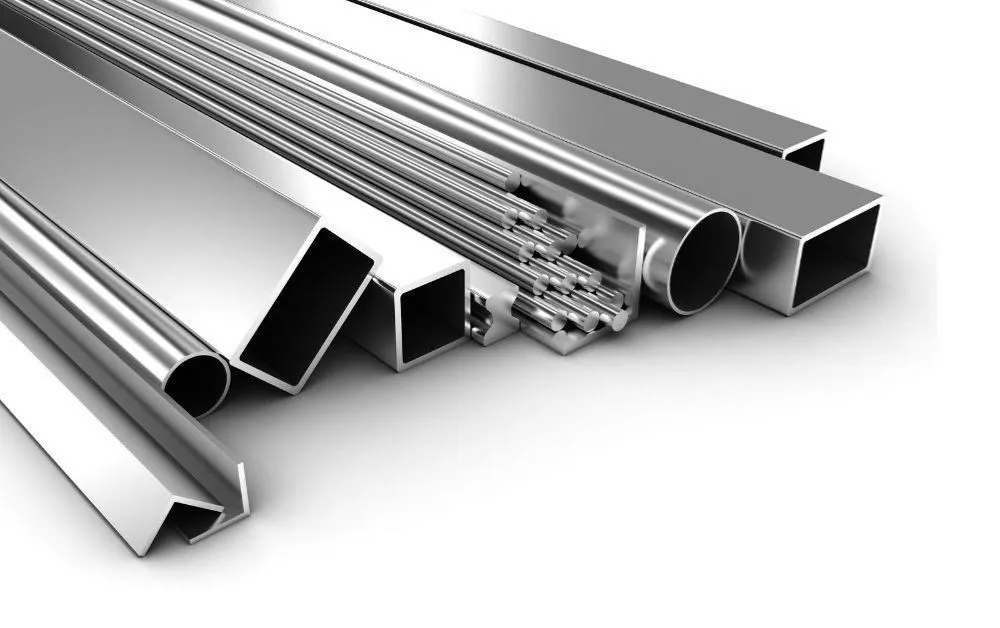
Navigating the complex world of steel fabrication in Dubai requires not only technical expertise but also an unwavering commitment to quality and efficiency. Sydney Metal Trading has emerged as a leading supplier and service provider in this domain, consistently delivering high-quality steel materials tailored to meet the evolving demands of the city’s construction landscape.By offering reliable support, superior-grade steel products, and a strong understanding of fabrication standards, Sydney Metal Trading contributes to some of Dubai’s most ambitious projects. Whether you’re involved in infrastructure development or high-end architectural construction, partnering with Sydney Metal Trading ensures that your steel requirements are met with precision, professionalism, and trust.