As the dynamically evolving UAE construction sector is geared up to respond to the needs of the modern world, safety tops the agenda of developers, contractors, and government agencies. As the country pursues high-speed urbanization, workers’ safety and resilience must be guaranteed at any cost. Chequered plates have become highly desired because they are durable and anti-slip in a wide range of materials, ensuring safety on construction sites. These plates are used in all scaffolding levels, staircases, ramps, flooring, walkways, and vehicle loading docks. However, their application is to be strictly governed by safety standards and compliance to ensure maximum workplace performance and safety. This blog discusses the significant safety rules and regulations governing the application of chequered plates in UAE construction sites to make industry players compliant and safeguard their workforce.
Understanding Chequered Plates in Construction
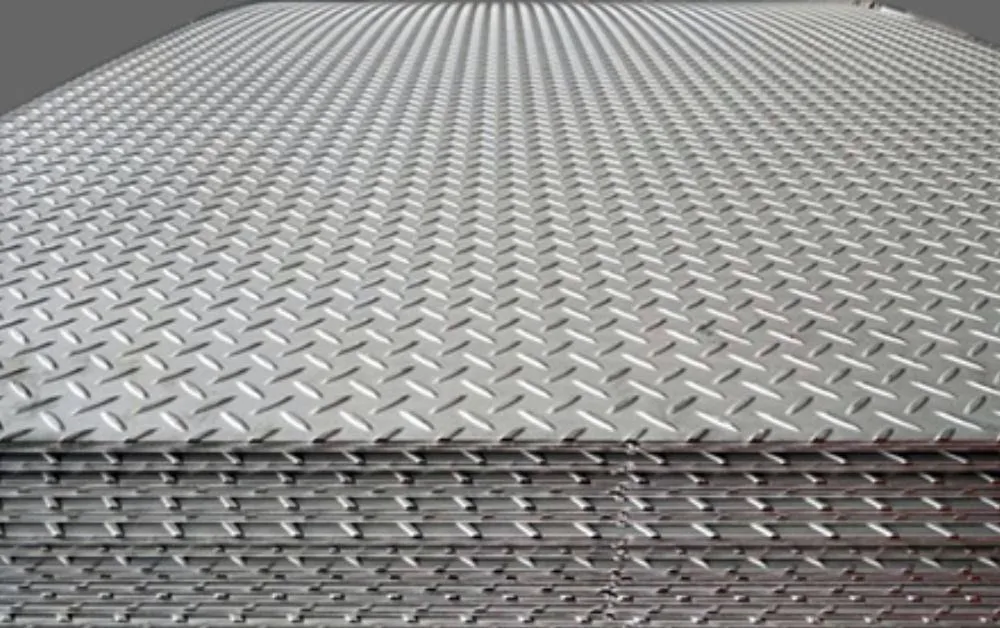
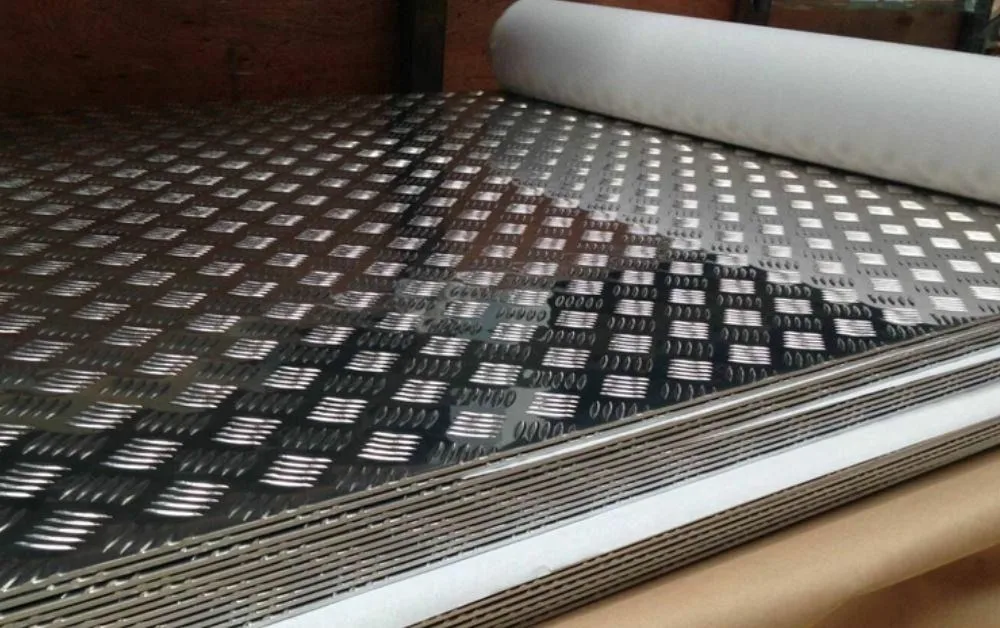
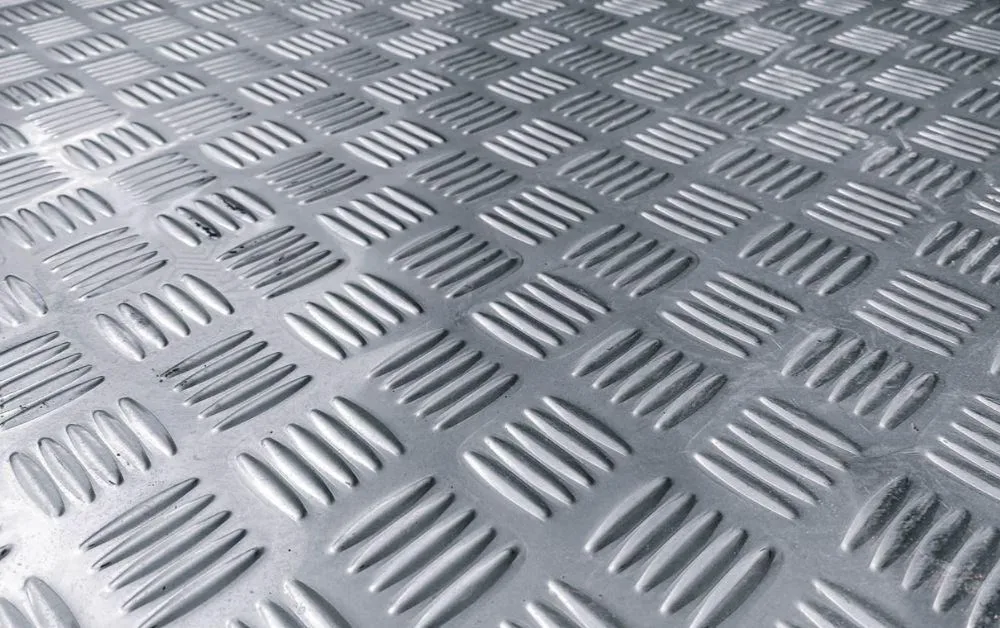
Chequered plates, typically made from steel, aluminum, or stainless steel, are embossed metal sheets with an even pattern of raised diamonds or lines. The designs serve functional and cosmetic purposes, ensuring grip and minimizing the risk of slipping, especially in wet or oily environments. On construction sites, chequered plates are also essential to ensure that people crossing various surfaces are not injured.
Since they are employed so widely, the officials have implemented firm safety protocols in selecting, installing, and maintaining chequered plates to prevent occupational injuries and structural collapse.
UAE Construction Safety Regulations Overview
The UAE maintains high levels of safety during construction via national legislation and regulatory bodies such as the Ministry of Human Resources and Emiratisation (MOHRE), Dubai Municipality, and Abu Dhabi Occupational Safety and Health Center (OSHAD). The bodies implement standards by international best practice, e.g., that of the Occupational Safety and Health Administration (OSHA) and ISO (International Organization for Standardization).
Upon chequered plates, these regulations focus on three main areas:
Material standards and load-bearing capacity
Guidelines for installation and use
Inspection and maintenance standards
1. Material Standards and Load-Bearing Capacity
Premium materials such as hot-rolled carbon steel, aluminum, or stainless steel can be used for chequered plates within sensitive construction regions. Such materials must meet accepted standards such as:
- ASTM A786 for rolled steel floor plates
- BS EN 10025 for structural steel
- ISO 9001 certified manufacturing process
Material selection depends upon expected load, environment, and corrosion resistance required. For instance, aluminum chequered plates are employed where weight saving and corrosion resistance are required, while steel plates are used in heavy platforms.
UAE law requires complete documentation of the mechanical characteristics of the chequered plates, like tensile strength, yield strength, and load capacity. Overloading more than recommended will result in structural failure and penalties for non-compliance.
2. Installation and Usage Guidelines
Installation of chequered plates must be proper for effectiveness. UAE law requires the following practice:
- Secure anchoring: Plates must be firmly welded, bolted, or clamped to the structural members so that they will not shift or become loose.
- Anti-slip orientation: The embossed pattern must face the up direction, and the configuration must have maximum traction in walking or driving directions.
- Edge protection: All edges must be burr-free. Anti-trip bars or edge protectors must be installed where frequent traffic exists.
- Access considerations: Plates must comply with gradient and spacing criteria to provide mobility and avoid tripping when fitted to ramps or staircases.
Failure to adhere to such specifications can result in non-compliance with UAE labor law and site safety inspections by municipal authorities or site engineers.
3. Inspection and Maintenance Requirements
Safety does not stop with installation. There should be a regular inspection and maintenance of chequered plates carried out for long-term on-site safety. UAE standards emphasize:
Regular inspections: Fortnightly or weekly inspections of wear, corrosion, loosening, or deformation, especially in load-carrying regions.
- Prompt repairs: Worn-out or broken plates must be repaired or replaced immediately. Short-term maintenance, such as patch welding, is allowed only after prior safety clearance.
- Cleaning operations: Grime, oil, and debris must be cleaned regularly to provide anti-slip functionality to the chequered plates.
- Records: All maintenance and inspection processes must be recorded, including date, findings, corrective action taken, and personnel involved.
Facilities that encounter refusal of periodic checking and maintenance are subject to fines, closure orders, or suspension of working licenses by UAE safety authorities.
Find out more-Comprehensive Guide to Mild Steel Products Across All Industries
Training and Worker Awareness
It does not lie with safety officers or engineers alone. Training should be given to every employee who comes into contact with chequered plates regarding their use, risks, and emergency procedures. UAE labor legislation requires employers to provide periodic safety training courses, particularly where specialized material or construction techniques are used.
These comprise:
- Teaching employees the importance of anti-slip surfaces
- Demonstrating proper loading practices on chequered plates
- Provision for ensuring the utilization of appropriate personal protective equipment (PPE)
Worker awareness significantly reduces the likelihood of accidents and ensures compliance with national and international safety standards.
Sustainability and Recycling Standards
Even construction projects must employ recyclable and eco-friendly materials to meet the UAE’s sustainability objectives. Chequered plates produced from recyclable steel or aluminum help facilitate the circular economy when reusing or discarding properly. Sustainable procurement and waste management processes for chequered plates should comply with guidelines established by the Emirates Green Building Council (EGBC) and Estidama within Abu Dhabi.
Conclusion
A detailed system of safety regulations and international norms governs the usage of chequered plates in UAE construction. From choosing materials to installing, inspecting, and training personnel, every step is essential to achieving a safe and compliant workplace. With the UAE committed to worker welfare and building excellence, adherence to these safety standards is not only legal—it’s a matter of morality for all those involved in the construction industry. By staying current and compliant, contractors can enhance site safety, reduce the rate of accidents, and aid in the vision of providing world-class infrastructure with uncompromising safety standards.