Quality assurance is of prime concern in modern manufacturing to guarantee materials meet industrial standards and customers’ demands. One such critical product in various industrial applications is Cold Rolled Sheets. These sheets are widely used in various automotive, construction, appliances, and packaging industries and must undergo rigorous quality control testing to guarantee their performance and durability. The quality assurance process of cold-rolled sheets in production entails several tests and inspection processes to ascertain any variations in mechanical, chemical, and physical properties. Below is a detailed description of the methodical approach adopted for testing cold-rolled sheets to ensure their excellence and reliability.
Understanding Cold Rolled Sheets
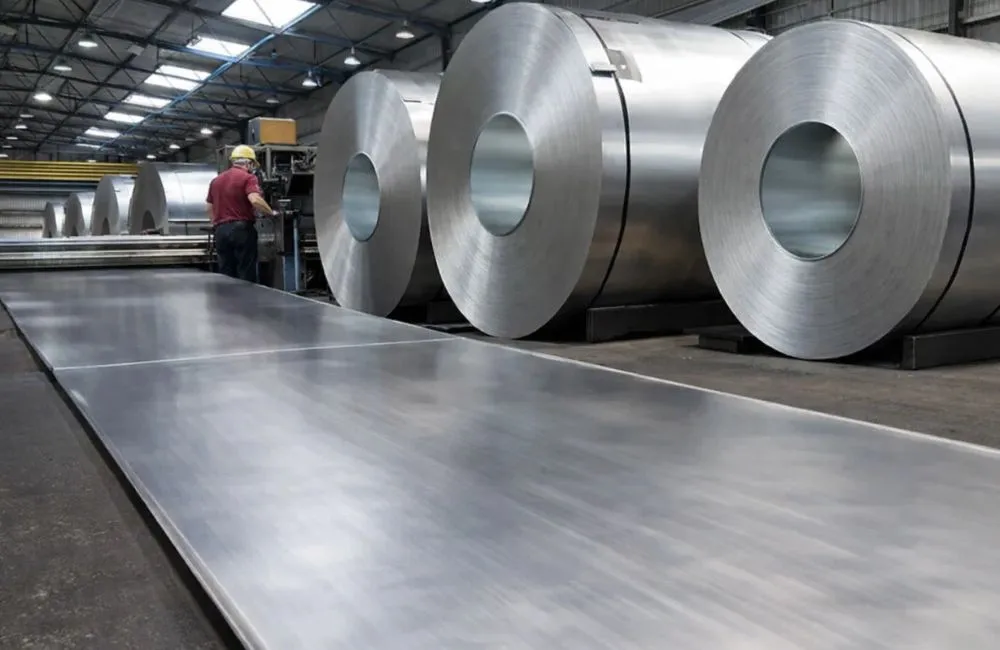
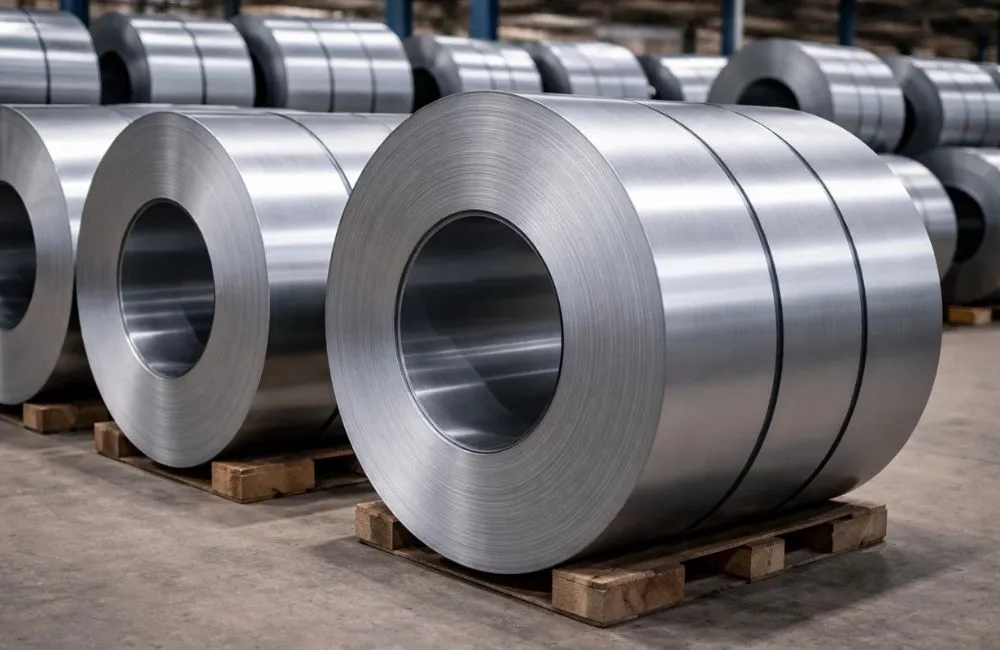
Before plunging into the quality testing procedures, let us define cold-rolled sheets. These sheets are rolled steel at room temperature, increasing their surface finish and dimensional tolerance. This also adds strength and hardness to the steel with hot-rolled equivalents. Due to these characteristics, cold-rolled sheets are used where close tolerances, good aesthetic appearance, and maximum strength are needed.
Nevertheless, to maintain such advantages, cold-rolled sheets must be carefully checked during the manufacturing process. A series of tests with some objectives and standards carry this out.
Visual Inspection
The first line of defense for quality control is a comprehensive visual examination. The technicians examine the Cold Rolled Sheets for visible surface flaws such as cracks, dents, rust, or scale. This ensures that no defective product is allowed to the next stage. Visual inspections also serve to detect handling damages or surface finish irregularities. Although it seems basic, this process is crucial to ensure that the finished product retains its appearance and integrity.
Dimensional Testing
Precision is necessary while manufacturing cold-rolled sheets, mainly for automotive and appliance industry applications, where precision measurements cannot be compromised. Dimensional testing involves inspection of the sheets’ thickness, width, and flatness. Measuring equipment with high precision, like micrometers, calipers, and laser scanners, ensures that each sheet has the intended dimensions. Even minor deviations lead to assembly line breakdowns or structural collapse.
Mechanical Testing
To ascertain the tensile strength and ductility of Cold Rolled Sheets, the manufacturers carry out a series of mechanical tests, including:
- Tensile Test: It measures the maximum load a sheet can withstand without fracturing. It also gives data on yield strength, tensile strength, and elongation.
- Hardness Test: The surface hardness, which has an indirect correlation with the sheet’s resistance to wear, is measured using methods such as the Rockwell or Vickers hardness tests.
- Bend Test: This test ensures that the sheet can be bent to some degree without cracking or losing its integrity. It’s essential for applications where sheets will be twisted into complex forms.
These tests affirm the mechanical integrity of Cold Rolled Sheets operating under various conditions.
Chemical Composition Analysis
Cold Cold-rolled sheets’ chemical composition is a crucial parameter affecting corrosion resistance, strength, and weldability. Spectrometers and Optical Emission Spectroscopy (OES) are utilized to precisely know the percentage of elements like carbon, manganese, phosphorus, sulfur, and silicon in the sheet. Maintaining the correct chemical balance is also critical for the material’s performance in extreme conditions. Compromise in the composition would lead to failure at a later time, such as when welding or coating.
Find out more-Cold Rolled Steel in Construction: Benefits & Applications
Surface Roughness and Finish Testing
Even surface finish is one of the main advantages of Cold Rolled Sheets. The surface roughness is examined using profilometers, which measure micro-irregularities on the surface. Even surface finish is required in applications where coating, painting, or galvanizing has to be undertaken. A smoother surface gives an improved aesthetic appearance, greater adhesion of coatings, and corrosion resistance.
Flatness and Formability Tests
Flatness is a critical quality parameter of Cold Rolled Sheets. Even minimal waviness or curling on the edges will cause issues during fabrication or further processing. Flatness tests are done by placing the sheet on a reference surface and recording the deviation. Formability tests such as cupping tests also determine how the sheet can be shaped to a specific shape without failure. Formability tests forecast performance in deep drawing and stamping processes.
Coating and Surface Treatment Verification (where relevant)
Coating thickness and adhesion testing are conducted if cold-rolled sheets receive further surface treatments like galvanizing or painting. These ensure protective coatings are uniformly applied and will perform in corrosive environments as intended. Coating tests can consist of salt spray tests or humidity testing to simulate conditions in actual use.
Non-Destructive Testing (NDT)
Non-destructive testing methods like Ultrasonic Testing (UT) or Eddy Current Testing are applied to pick up internal defects or inconsistencies without reducing the sheet quality. These examinations detect subsurface cracks, inclusions, or voids, which can reduce the strength or integrity of the product. NDT is especially crucial for cold-rolled sheets destined for structural or critical use.
Quality Documentation and Certification
After all the stages of testing, comprehensive quality documentation is prepared. It includes test data, compliance certificates, batch numbers, and traceability information. The documents are essential for customers who should be certified to conform to worldwide standards like ASTM, JIS, or EN. The certification confirms that the Cold Rolled Sheets have undergone all specifications required and are ready to be shipped.
Conclusion
Quality control of Cold Rolled Sheets is a rigorous, multi-level process involving visual inspection, mechanical and chemical testing, measurement, and advanced non-destructive testing. Each test is vital in establishing the sheet’s suitability for high-performance applications. As industry demands stronger and precision-fabricated materials continue to rise, maintaining strict quality on Cold Rolled Sheets isn’t just necessary—it’s a promise of superiority. Regardless of their application in automobile panels, appliance casing, or construction material, users can depend on cold-rolled sheets that are thoroughly tested to deliver as guaranteed.