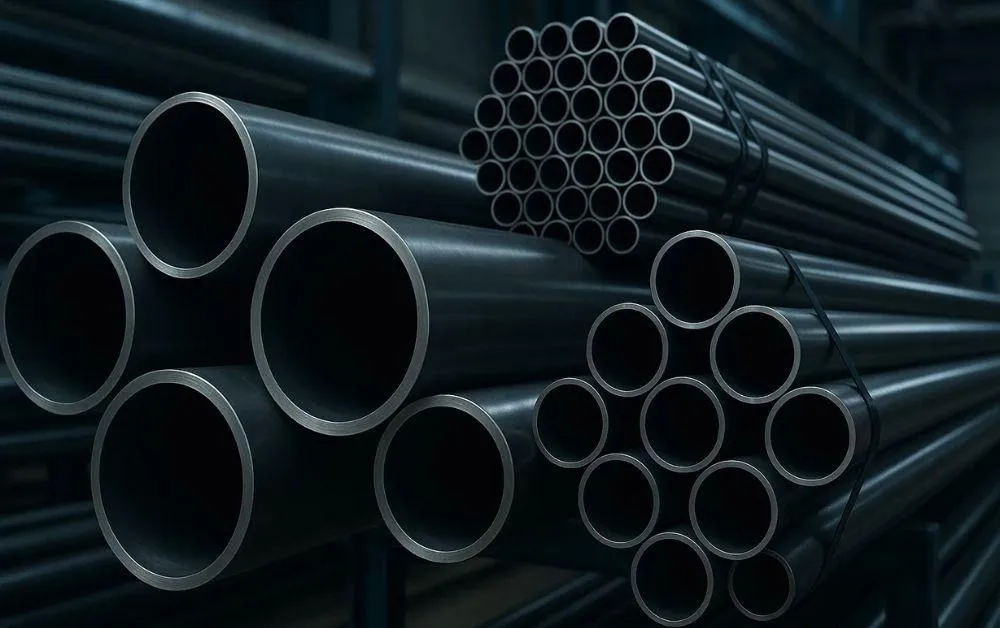
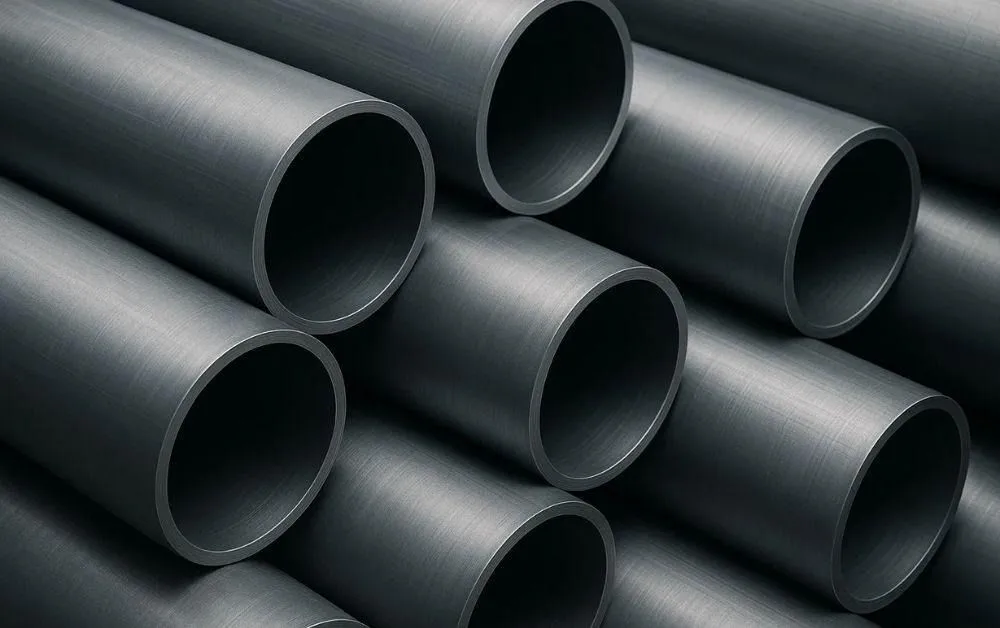
Seamless pipes find broad applications in different industries in the UAE, such as oil and gas, construction, water treatment, and manufacturing. They are strong, long-lasting, and pressure-resistant, which makes them suitable for high-performance use. However, the severe climatic conditions in the UAE – high temperatures, humidity, sandstorms, and coastal seawater spray – present real challenges to seamless pipe longevity and performance. Left untended, even the strongest piping systems can become weakened.
In this blog, we’ll explore essential maintenance tips to prolong the life of seamless pipes in harsh UAE environments, ensuring consistent performance, safety, and cost-efficiency over time.
Understanding the Environmental Challenges in the UAE
Before diving into maintenance practices, it’s crucial to understand what makes the UAE environment particularly aggressive for seamless pipes:
- Extreme Heat: Temperatures often soar above 45°C in the summer, accelerating thermal expansion and metal fatigue.
- High Salinity: Seaside areas subject pipes to salty air, accelerating rusting and corrosion.
- Sandstorms and Dust: Dust particles can penetrate joints or fittings exposed to the air, resulting in contamination or abrasion.
- Humidity: In seaside municipalities, humidity can cause moisture to condense on metal, resulting in oxidation.
These combined factors can significantly decrease the seamless pipe lifespan if it is not shunned by good maintenance and proactive measures.
1. Regular Inspection and Monitoring
Regular inspections are the cornerstone of any good maintenance program for seamless pipes. Having a schedule for visual and instrumental inspections assists in the early detection of the following:
- Surface rust or corrosion
- Pitting or cracking
- Scaling or discoloration
- Weak points in joints and welds
Perform non-destructive testing such as ultrasonic testing, magnetic particle inspection, or radiographic testing to identify internal flaws that cannot be seen externally.
2. Protective Coating and Surface Treatments
Using protective coatings on seamless pipes is necessary to protect them from external factors. Some of the most commonly used coatings are:
- Epoxy and polyurethane coatings: These act as a water barrier.
- Galvanization: Zinc coating helps prevent rust, particularly if the pipes are to be used along the coast.
- Powder coating: Provides extra protection against UV and physical impacts.
In underground or underwater seamless pipes, use cathodic protection systems that employ electric currents to avoid corrosion.
3. Proper Storage and Handling
Smooth pipes tend to get damaged even before installation because of unsuitable storage. To extend their lifespan:
- Keep pipes under covers in ventilated spaces.
- Elevate them from the ground to prevent water or salt deposits.
- Cover with protective end caps to keep dust and debris out.
- Don’t drag pipes over rough surfaces to reduce scratches and abrasions on the surface.
4. Cleaning and Decontamination
In the UAE, where sand and salt are ever-present, cleaning seamless pipes is not a luxury—it’s a necessity. Develop a regular cleaning schedule using the following:
- Freshwater rinses to remove salt and dust.
- Industrial-grade cleaners for removing grease or oil
- Descaling agents for removing mineral buildup
Ensure the cleaning methods are compatible with the pipe material to avoid chemical damage.
5. Control of Operating Conditions
Operating smooth pipes in their defined ranges guarantees a longer life. Always keep an eye on:
- Temperature and pressure: Never surpass guidelines.
- Flow rates: Skewed flow will cause pressure spikes and innerwear and tear.
- Chemical composition: Ensure the fluids or gases carried do not cause the inner wall of the pipes to corrode.
Utilize automated control systems with real-time monitoring to minimize human error and provide stable operating conditions.
6. Corrosion Inhibitors
Applying chemical corrosion inhibitors in pipelines is a good practice, particularly in water and gas pipeline transportation systems. They are chemicals that, in addition to the fluid being conveyed, create an inhibiting coating on the inside surface of the seamless pipes, preventing oxidation and chemical erosion.
Select inhibitors according to the pipe material and fluid type to maximize protection and compatibility.
Related read:-All-in-One Resource for Mild Steel Pipes and Plates
7. Welding and Joint Maintenance
Joints and welds are the weak points in any piping system. Regular inspection and maintenance of these areas are essential. Utilize corrosion-resistant welding materials and check for:
- Cracks or porosity
- Leaks
- Loose fittings
Replace the worn gaskets or flanges and use sealants wherever necessary to achieve watertight and airtight joints.
8. Training and Awareness
Maintenance starts with knowledgeable personnel. Train your maintenance personnel and staff on the following:
- Identifying early warning signs of wear and tear
- Adhering to proper handling practices
- Appropriate use of equipment and protective equipment
- Rapid response to any indication of failure
Well-trained personnel can identify and avoid problems before they arise as significant issues.
9. Documentation and Maintenance Registers
Keep a complete register of all inspections, repairs, replacements, and modifications conducted on seamless pipes. These include:
- Dates of inspection
- Findings and photographs
- Types of repairs
- Replacement parts utilized
Such record-keeping facilitates tracing recurrent problems, scheduling preventive maintenance, and enhancing long-term asset management.
10. Collaborating with Reputable Suppliers and Maintenance Providers
Engaging reputable suppliers and maintenance contractors assures you of quality seamless pipes and expert services. Use suppliers who provide:
- Warranty and technical support
- On-site inspection services
- Personalized coatings and protective solutions
Sourcing quality at the beginning pays dividends in minimizing future maintenance hassles.
Conclusion
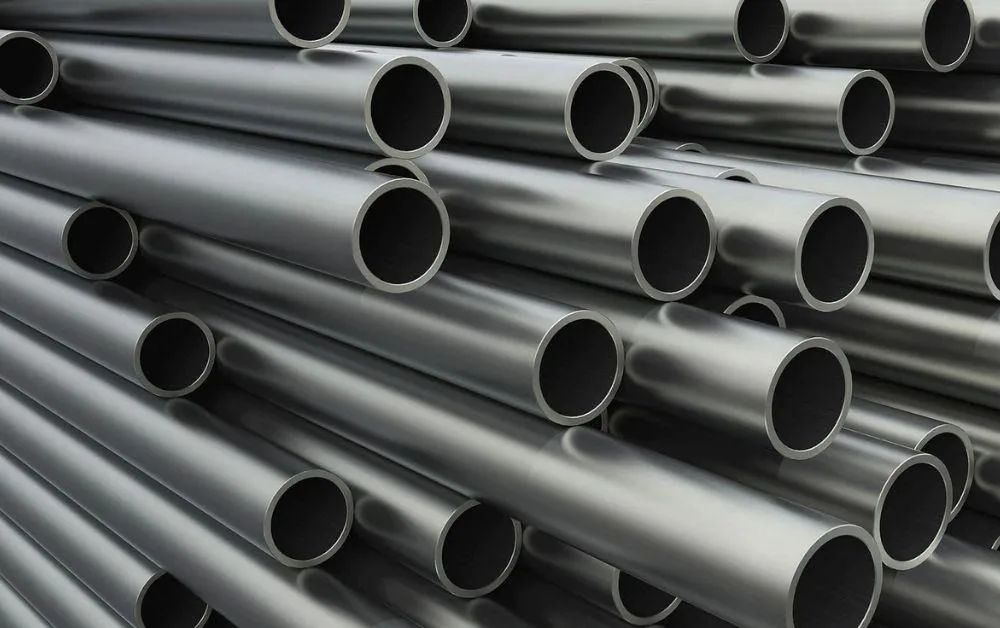
Extending the lifespan of seamless pipes in the harsh environmental conditions of the UAE is possible with a disciplined and planned maintenance strategy. From protecting pipes with coating and proper handling to periodic inspections and online monitoring, every step contributes to the service life elongation of such critical components.
As infrastructure development and industrial activities in the UAE grow, so does the demand for robust and dependable piping systems. Following the given maintenance tips will ensure your investment in seamless pipes and improve operational efficiency, safety, and long-term sustainability.