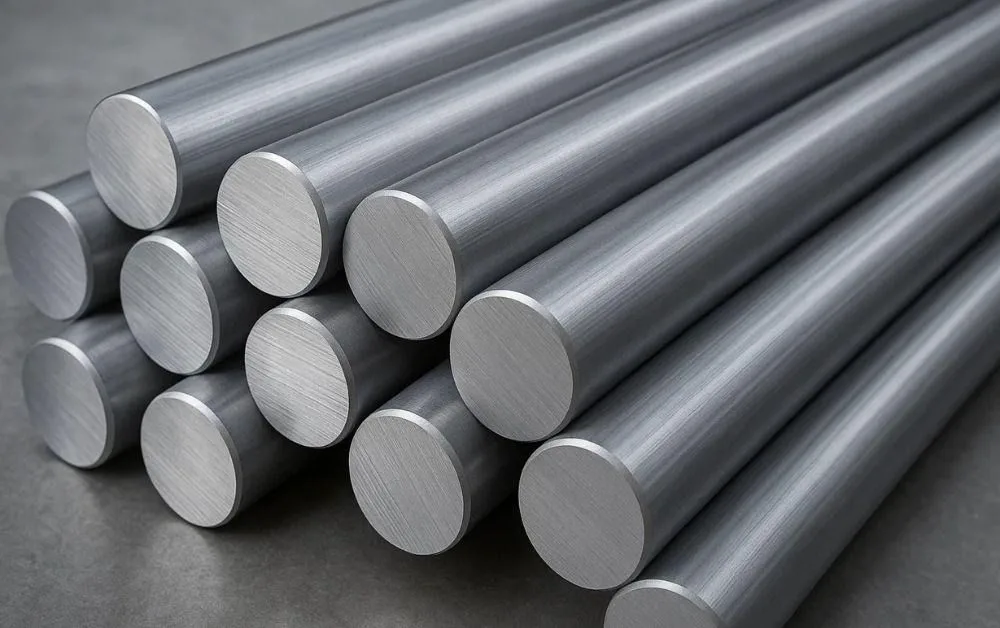
Round Bars are an indispensable resource in industrial production, building, and infrastructure construction within the UAE. As cylindrical metal bars, they are used in many applications, from structural frameworks to machinery components. Given their wide usage across industries, knowing the price trend of round bars is essential for companies and procurement managers. This blog touches on round bar price comparisons in UAE and the most important factors determining their cost.
Introduction to Round Bars in the UAE Market
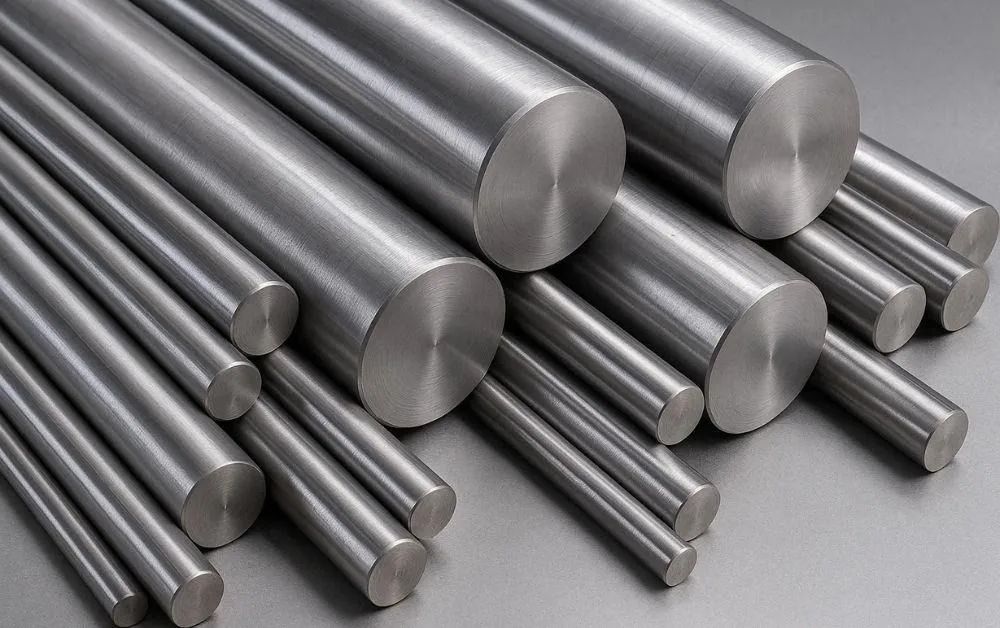
Round Bars are long cylindrical metal bars, mostly manufactured in alloys like stainless steel, carbon steel, alloy steel, and aluminum. With its fast industrial and infrastructural growth, demand for round bars is always keen in the UAE. Round bars are a backbone material for oil and gas projects, marine works, or fabrication jobs, as they are strong, versatile, and easy to machine.
With such universal applications, UAE buyers are usually presented with the challenge of comparing prices from various suppliers and knowing what factors cause these differences. Let’s discuss the key determinants affecting the price of round bars in the UAE.
1. Composition of Material
One of the most determining factors in the price of Round Bars is the material it is made of:
- Stainless Steel Round Bars are usually priced higher because of corrosion resistance and excellent durability. Grades like 304 and 316 find huge demand in the UAE for building and naval applications.
- Carbon Steel Round Bars are usually priced lower and are used where no corrosion resistance is desired.
- Alloy Steel Round Bars might be pricier based on alloying elements such as chromium, nickel, or molybdenum.
- Aluminum Round Bars are light and resistant to corrosion, but their cost depends on the availability and demand in the market.
The grade and type of metal significantly utilized influence the cost, with premium rates required for better grades.
2. Size and Diameter
The sizes of round bars—namely diameter and length—directly affect cost. Greater diameters and greater lengths take more material and cost more. Also, non-standard sizes not generally kept in stock may need to be made in special runs, adding to the cost.
For example, while a 20mm carbon steel round bar will likely be widely available and at low cost, a 100mm stainless steel round bar might be considerably more expensive due to higher raw material and processing requirements.
3. Market Demand and Supply Dynamics
As with any commodity, the price of Round Bars in the UAE will be determined by supply and demand:
- Demand for round bars surges during construction boom periods or when big infrastructural projects are undertaken, commonly causing prices to rise.
- Disruptions in the international supply chain, like slow shipment or raw material shortages, tend to push prices higher in the UAE market.
- When foreign suppliers swamp the market, or local producers scale up production, prices stabilize or fall.
Keeping track of the local and international market trends is crucial for buyers who want round bars at reasonable prices.
Suggested Read-GI Square Bar vs. MS Square Bar: Key Differences and Which One to Choose?
4. Country of Origin and Brand Reputation
The origin of the round bars is also a determinant factor for their price. Round Bars produced in European nations or Japan are more expensive as they have higher quality standards and certifications. On the other hand, round bars made in China or India can be priced more competitively. Still, grade consistency or adherence to the UAE’s specific project standards differ.
Brands and mills with a good reputation for quality and timely supply also fetch higher prices in the UAE market.
5. Processing and Surface Finish
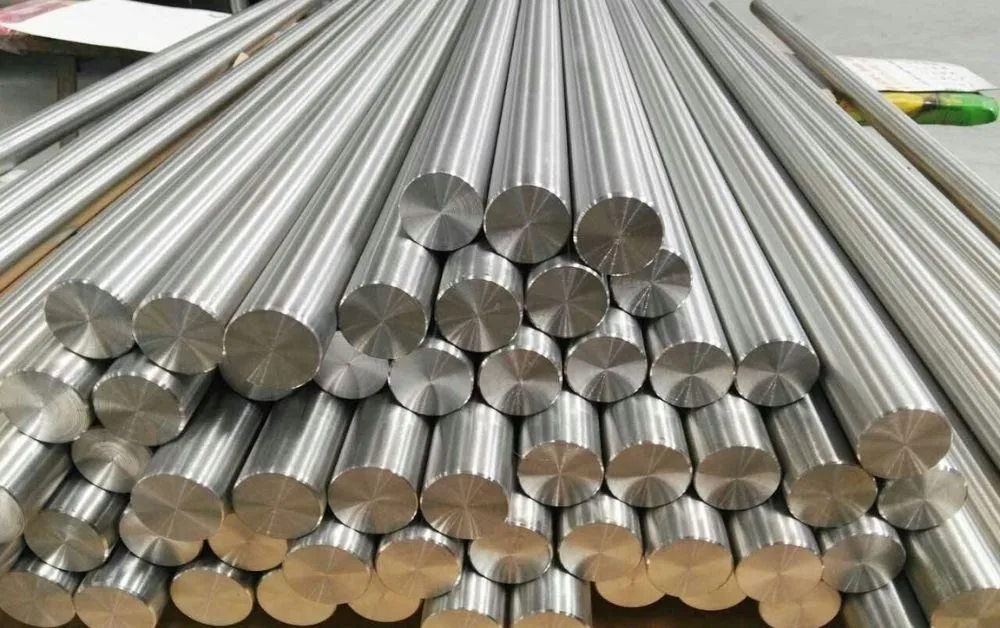
Round bars are available in different finishes like hot rolled, cold drawn, peeled, or polished. Each of these finishes involves different levels of processing:
- Hot rolled round bars are cheaper and employed for general construction.
- Cold-drawn round bars are closer to dimension and have a better surface finish, so they are better suited for machining uses—but at a higher cost.
- Ground or polished round bars are generally employed in applications where appearance and tight tolerance are essential. Thus, they command premium prices.
The purchaser must consider the finish requirement of their application before selecting the correct type of round bar.
6. Import Duties and Logistics Costs
Import duties, terminal handling charges, inland transit, and warehousing charges all contribute to the overall cost of Round Bars in the UAE. Materials shipped from foreign countries outside the GCC may have to pay customs duty except when they fall under a Free Trade Agreement. Furthermore, the complexity of the logistics chain may change the price from one Emirates location to another, such as Dubai, Abu Dhabi, or Sharjah.
7. Certifications and Compliance Requirements
Compliance with international standards (ASTM, EN, DIN, ISO) is usually required for big-ticket projects such as oil and gas or infrastructure projects. Round bars accompanied by mill test certificates (MTCs) or third-party inspection certificates are more expensive because of quality and traceability assurance.
Conclusion: Making Informed Purchasing Decisions
In summary, price comparison of round bars in UAE is not all about finding the lowest price—it involves more than an element of knowing different factors affecting prices, such as material type, size, finish, origin, and market situation. Procurement managers and engineers can make wiser, value-based project decisions by knowing these factors.
With the UAE’s fast-paced industrial climate, keeping abreast of market trends, supplier performance, and quality standards is critical. Sourcing stainless steel round bars for marine fabrication or carbon steel bars for general fabrication, understanding what influences pricing enables you to achieve the optimal balance between cost and performance.
For those who regularly procure Round Bars in the UAE, having dependable suppliers and adhering to a constant procurement policy can considerably streamline budgets and provide timely project delivery.