Selection of a suitable type of steel beam is among the decisions that engineers and builders should make when building strong, durable, and efficient structures. Universal Beams are some of the structural components that are mostly used in the market, among other alternatives available. But what differentiates Universal Beams from the other forms of steel beams? In the exploration of that, it is important to note that Sydney Metal Trading LLC is one of the most successful suppliers of high-quality steel products in the UAE, which provides a wide variety of beams, channels, angles, and structural steel solutions that can be delivered to the varied construction requirements.
We will deconstruct the main distinctions between Universal Beams and other widely used types of steel beams in this blog, their performance, and their most suitable use.
What Are Universal Beams?
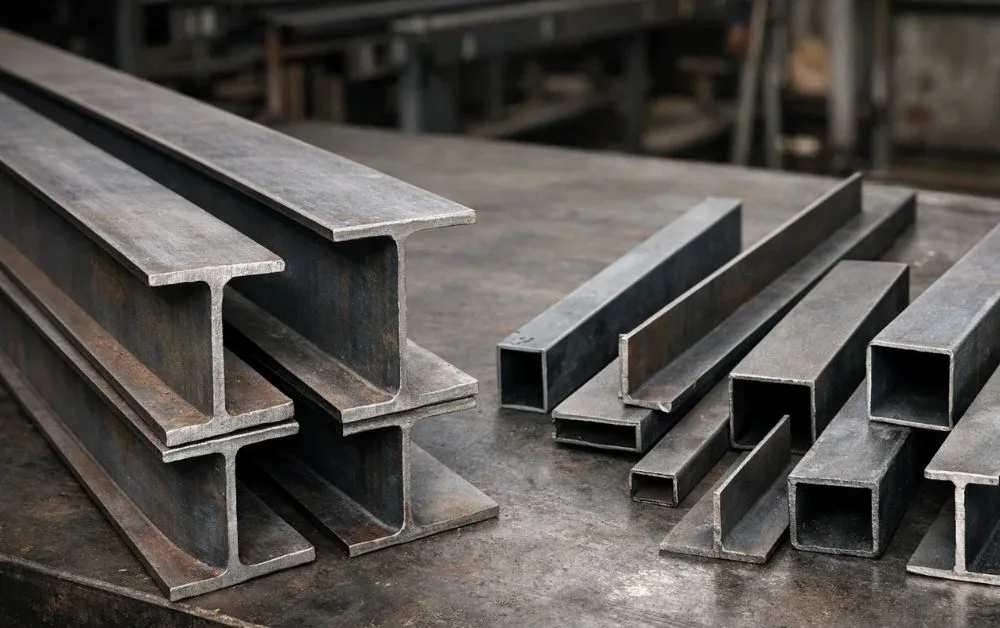
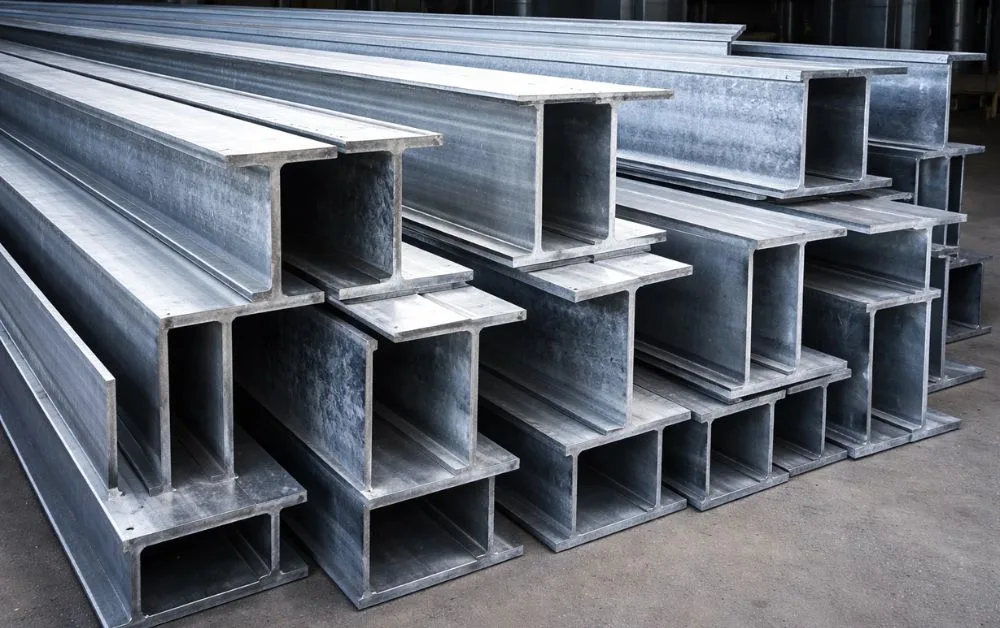
Universal Beams: Structural steel members that have the typical I-shaped cross-section are known as Universal Beams, and they have two horizontal flanges that meet in the vertical web. This distinctive type of construction spreads the load and provides them with very good bending power and great strength in comparison with their weight, sometimes referred to as a high strength-to-weight ratio.
They are extensively applied as the major structural elements of buildings, bridges, warehouses, industrial facilities, and huge construction works where massive weight and long distances are typical.
Core Features of Universal Beams
- I/H Shape: The shape offers better resistance to bending and deflection through bending.
- High Strength: Optimum geometry is provided with high load-bearing capacity and not too much weight.
- Easy to Work With: Because of standardized dimensions, fabrication and installation are quicker and more predictable.
Common Types of Steel Beams
Prior to direct comparison with Universal Beams, a brief description of the other common types of steel beams is in order:
1. H-Beams
The common one is often like Universal Beams except that the flanges are wider and the web is thicker to allow heavier loads to be carried and more appropriate to span longer distances.
Applied in high-rise buildings and large infrastructure projects where the strength and stability of the walls are required for lateral loads.
2. IPE Beams
These are wide-flange beams of European Standard with a similar profile to Universal Beams but in definite ISO/European sizes.
They can easily be used in various general construction applications.
3. Channels (C-Beams)
- Channels are usually made smaller and designed to be used in a secondary use, such as purlins, bracing, or support frames, and are characterized by the C-shaped cross-section.
4. T-Beams
- T-shaped, usually made by taking an I-section beam that has been cut.
- In places where an I-beam would otherwise intrude on the available space, this would be used.
Additional resources-Comparing IPE Beams to Other Steel Beam Types: What You Need to Know
Universal Beams and Other Steel Beams: Key Differences
The difference between Universal Beams and the other steel beam profiles is as follows:
1. Shape and Geometry
- Universal Beams: The cross-section of an I/H beam is symmetrical, and the stress of bending is concentrated in the flanges, whereas the web is opposed to the shear.
- Other Beams: An example is the channels, which have an unbalanced cross-section that can easily twist under load unless supported adequately and must be considered secondary support material, not primary load-bearing.
Impact: The I/H shape of Universal Beams provides them with a strength-to-material efficiency ratio that most other sections cannot achieve in their use, where heavy loads are involved.
2. Load-Bearing Capacity
- Universal Beams: These beams are exceptionally good in bending strength, and thus are best used in horizontal applications such as floor joists, roof supports, or bridge spans.
- H-Beams: H-Beams are wider flanked and therefore tend to be better on pure compressive loading or combined loading, and this is particularly true when the column is being used or when the loading is on very large spans.
- Channels and T-Beams: These are not designed to sustain heavy loads, but only to assist in the work of the primary structural beams.
Impact: In projects that require heavy horizontal loading with low deflection, Universal Beams are always the preferred option.
3. Material Efficiency
- The maximization of the strength and efficient utilization of the steel makes Universal Beams lighter and lower in terms of the cost of the material.
- H-Beams may be only a little more material-intensive because of wider flanges; however, this is additional steel that can usually be converted into load capacity.
Impact: Designers use Universal Beams where they require great resistance to bending at competitive project prices, and H-Beams where they require great strength or stability in more than one direction.
4. Ease of Fabrication and Standardization
- The advantage of Universal Beams is that there are decades of standardization in steel design of structures by size and connection details being common and clear.
- Other forms, such as custom T-Beams or special welded sections, might not have as much standardization and thus may become difficult to fabricate, and can lead to longer lead time.
Impact: Universal Beams are able to, in many cases, shorten project schedules and minimize on-site changes because of the predictable dimensions.
Choosing the Right Beam for Your Project
It is irrespective of whether you are constructing a residential structure, commercial facility, bridge, or an industrial structure; being able to know the performance requirements is one way of being able to know which type of steel beam, be it Universal Beams or any other type, is best suited.
- For Primary load-carrying structural components: Universal Beams or H-Beams
- For lighter secondary supports: Channels and T-Beams
- For European standard applications: IPE Beams
Conclusion: The Advantage of Universal Beams
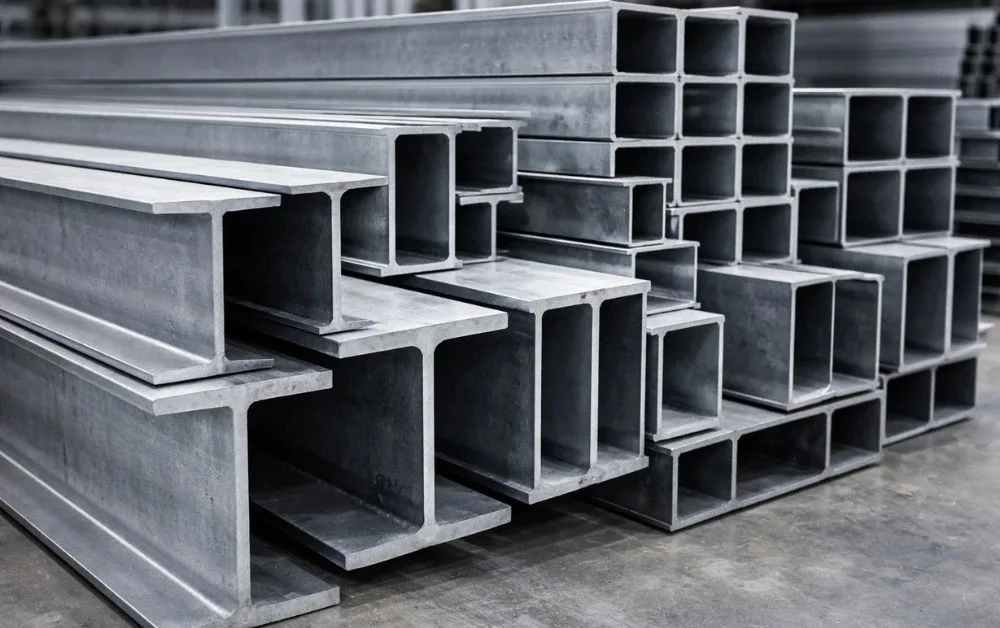
Universal Beams have remained one of the most diverse and effective structural steel elements in a broad assortment of construction projects due to their distinctive design, great strength-to-weight ratio, and portability. Be it the construction of a residential property, business center, or industry, the type of beam taken must guarantee the safety, efficiency, and cost-effectiveness.
In case you are seeking a reliable supplier of premium Universal Beams and other structural steel products in the UAE, Sydney Metal Trading LLC is a single source offering a full scope of quality steel products to suit your project requirements, which could be beams and columns, or channels, plates, etc. They have decades of experience and offer a wide variety of products to assist in steering you in the correct direction in terms of materials and specifications.