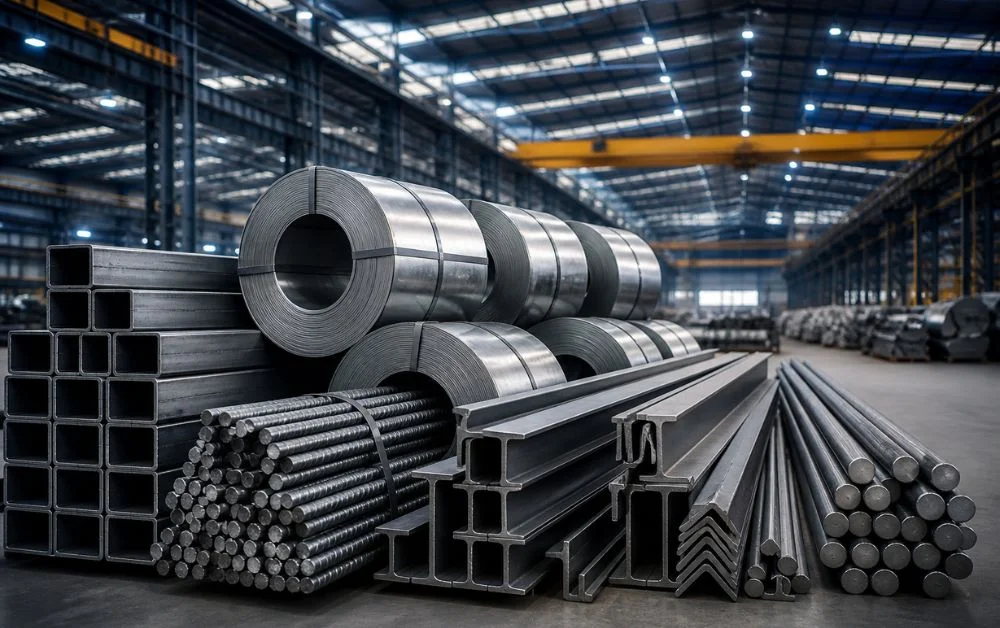
The quality and reliability of your steel supply has a direct and often underestimated impact on the success, timeline, and total cost of your project. In the Middle East, where construction, oil and gas, manufacturing, and infrastructure development sectors are operating at significant scale and pace, the choice of steel supplier is one of the most consequential procurement decisions any project manager, contractor, or developer can make. A reliable Oman steel supplier or trusted regional steel trading partner provides far more than just product — they provide assurance of quality, consistency of supply, and the technical support that keeps projects on track and budgets intact. But with many suppliers in the market, how do you identify the right one?
1. Broad and Verified Product Range
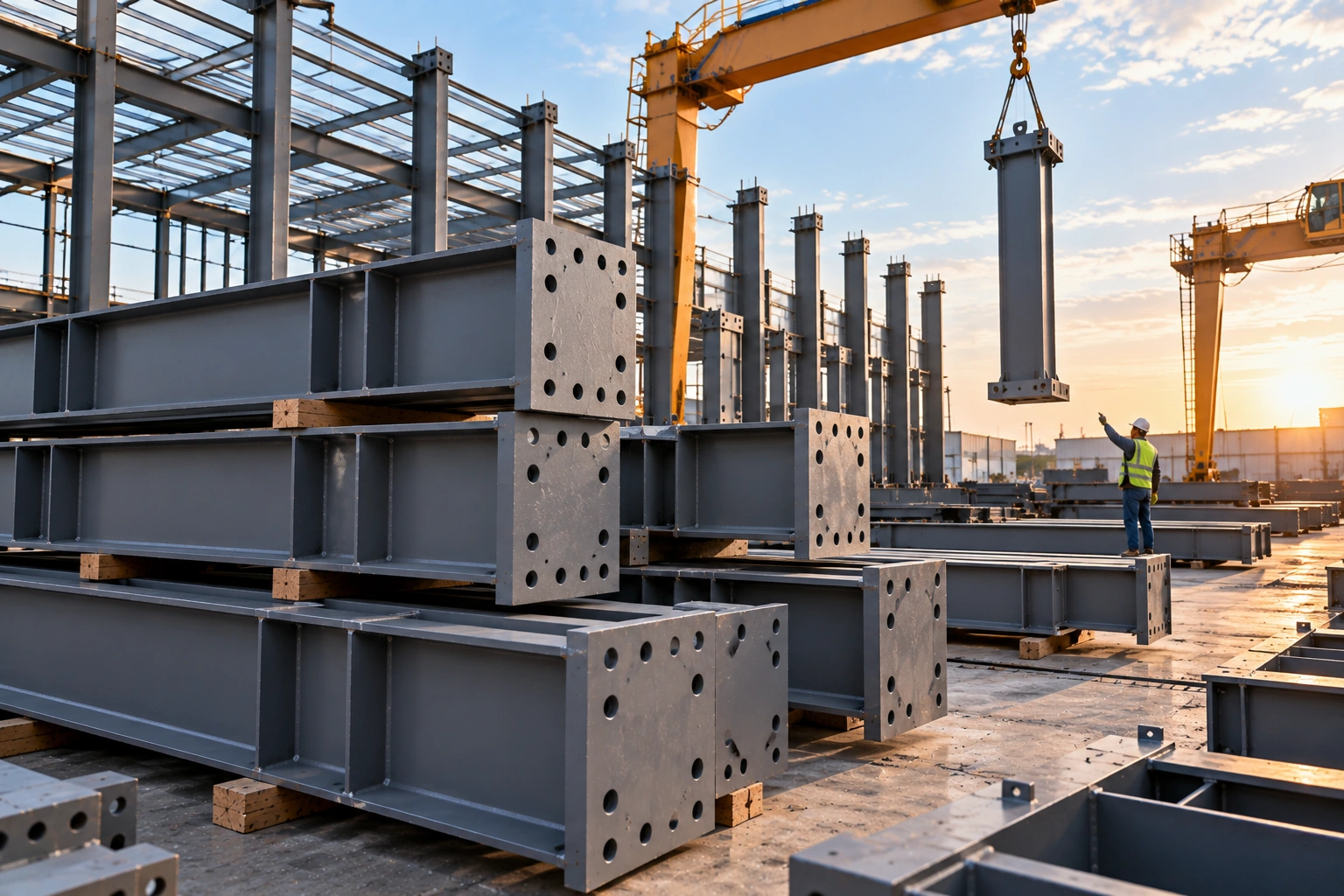
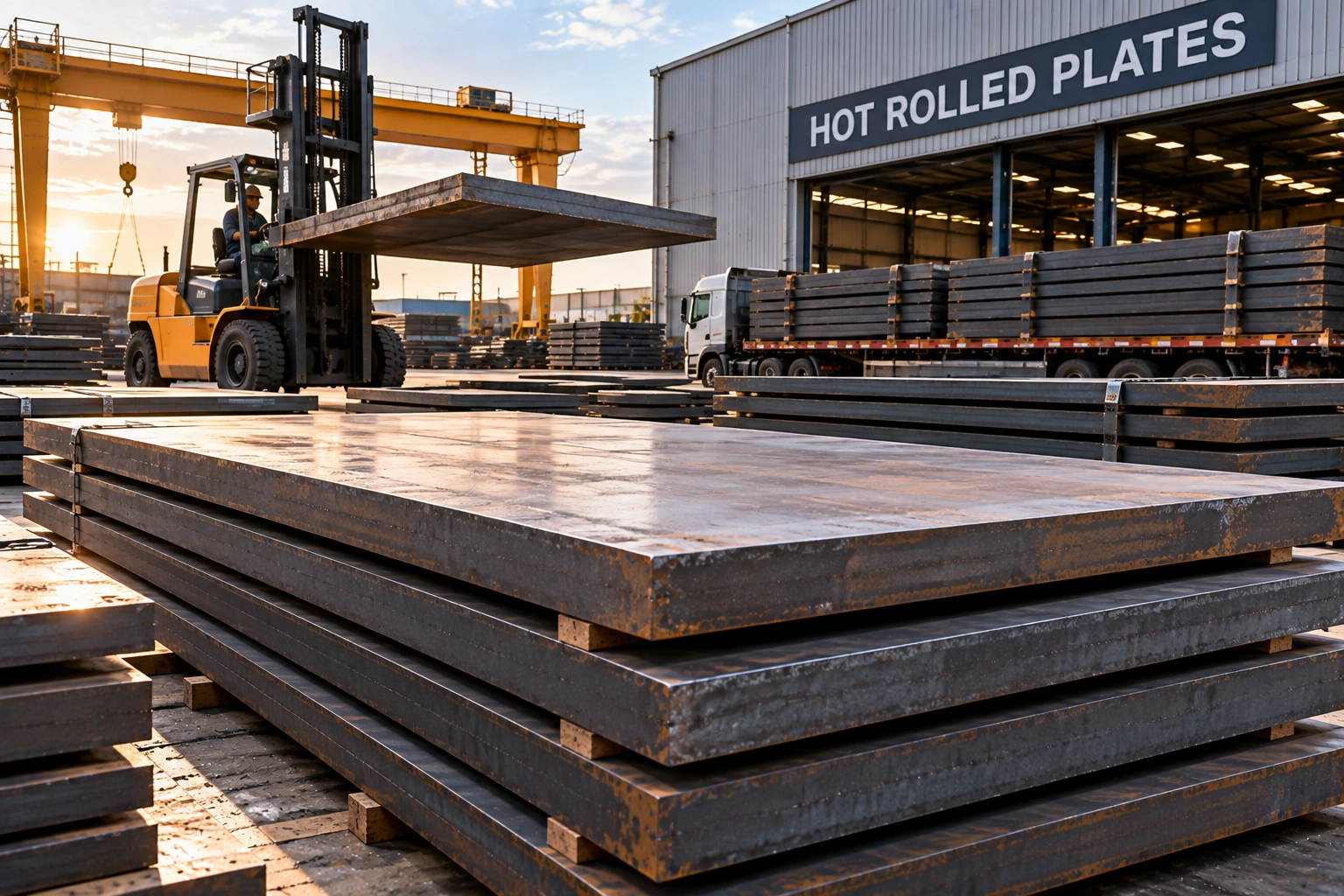
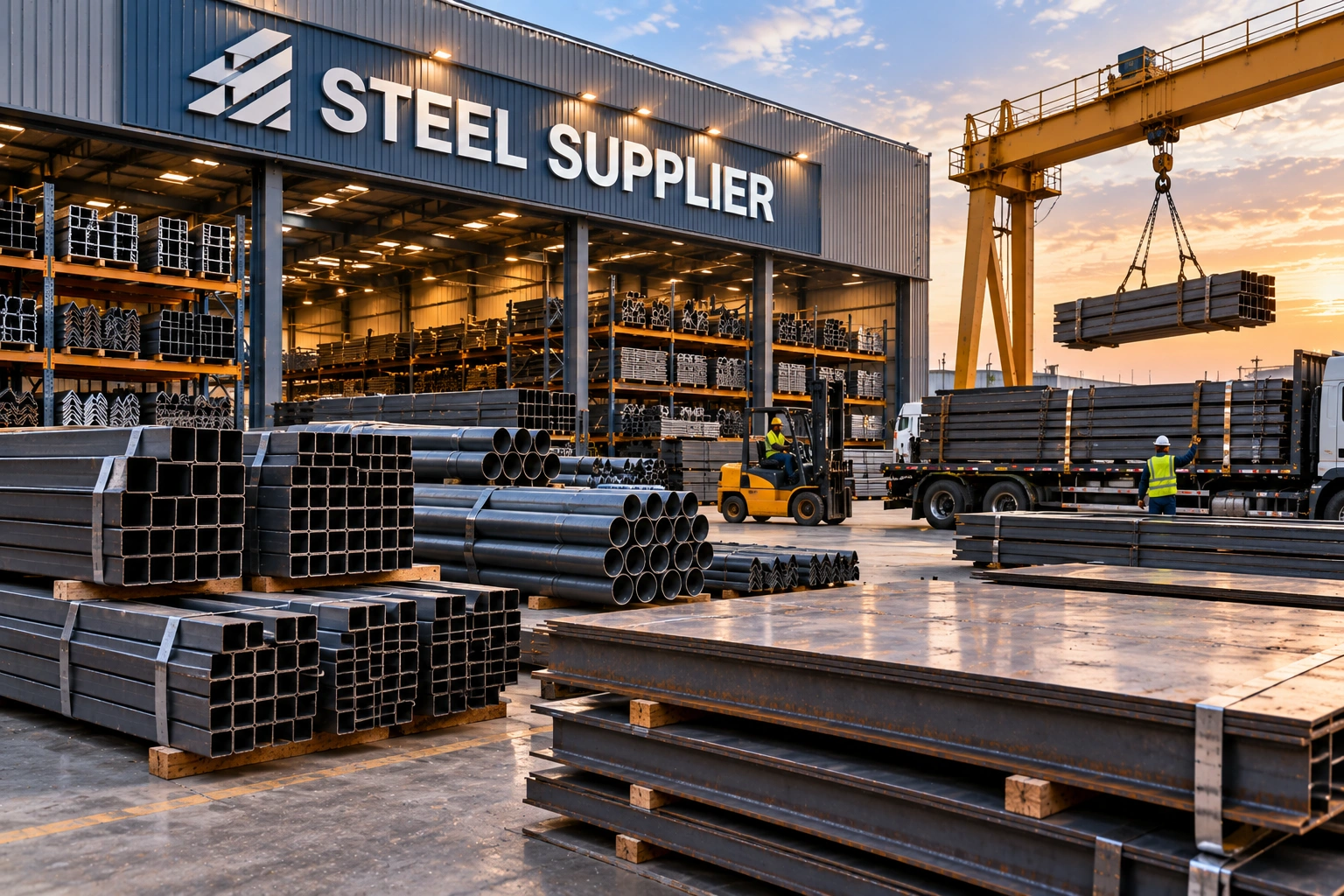
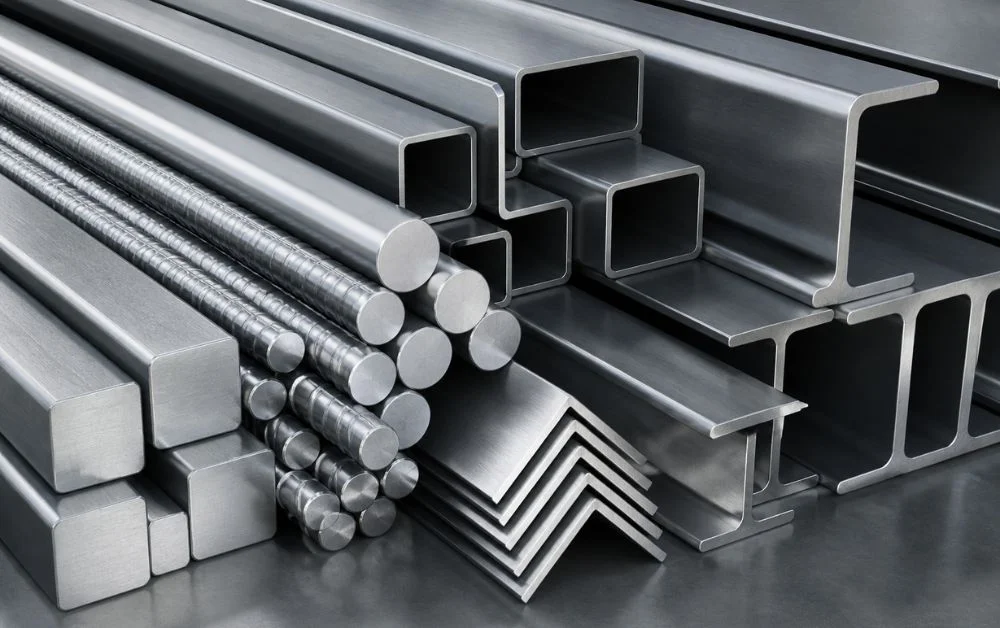
The right steel supplier maintains a comprehensive inventory that covers the full range of products your project may require. For most construction and industrial projects, this means structural sections (universal beams, columns, angles, channels, hollow sections), flat products (hot rolled and cold rolled plates and sheets, galvanized steel), specialty items (chequered plates, expanded metal mesh, stainless steel), and tubular products (round, square, and rectangular hollow sections). Having a supplier who can reliably fulfill multiple product categories simplifies procurement logistics, reduces the number of vendor relationships you need to manage, and creates the commercial leverage for better pricing.
2. Material Quality and Certification
In the Middle East, structural steel and other steel products used in construction and industrial applications must meet specific international standards — typically ASTM, EN, or BS standards depending on project specifications and client requirements. A reputable Oman steel supplier provides mill test certificates (MTCs) for every product batch, confirming the material’s chemical composition, mechanical properties (yield strength, tensile strength, elongation), and compliance with the specified standard. Never accept delivery of structural steel without full and accurate MTC documentation — accepting uncertified material creates liability and quality risks that are very difficult to address after the material has been incorporated into a structure.
3. Consistency and Security of Supply
A supplier who can fulfill your first order but cannot maintain consistent supply through a multi-month project is not a true supply partner — it is a spot supplier. Evaluate potential suppliers on their warehouse inventory levels, their relationships with multiple mills for supply diversification, their capacity to hold buffer stock for your project, and their track record of maintaining supply schedules through the market disruptions that periodically affect global steel supply chains. Delays caused by material shortages have cascading cost implications for construction projects that are very difficult and expensive to recover.
Explore more-Why Steel Exporters Are Essential to Global Trade
4. Transparent and Honest Pricing
Steel pricing is influenced by global commodity markets and fluctuates regularly. A trustworthy supplier provides transparent, all-inclusive pricing that clearly distinguishes the material cost, freight, port charges, and any other applicable costs. Be cautious of unusually low quotes that do not specify what is included — these often involve material grade substitutions, inferior certifications, or hidden charges that emerge at delivery. Building a long-term relationship with a supplier who prices honestly and fairly consistently is always more valuable than chasing the lowest spot price on individual orders.
5. Logistics and Delivery Capability
Project sites across the Middle East range from urban commercial locations to remote desert or coastal industrial sites. Your steel supplier must have robust logistics capabilities — experience arranging road transport, sea freight, and where necessary air freight; knowledge of customs procedures in Oman, the UAE, Saudi Arabia, and other GCC countries; and the ability to coordinate delivery directly to site in coordination with your project schedule. A supplier who can only deliver to a port or depot but cannot coordinate last-mile delivery to site adds complexity and cost to your supply chain.
6. Technical Support and After-Sales Responsiveness
The best suppliers actively support your procurement process with genuine technical knowledge and responsive after-sales service. This means providing accurate advice on material selection and grade equivalencies, assisting with quantity calculations and cutting schedules, responding promptly to quality queries or discrepancies at delivery, and resolving issues without delay when they arise. A technically capable and responsive supply team is one of the most valuable differentiators between average and excellent steel suppliers in the region.
Why Sydney Metal Trading LLC Is a Trusted Regional Partner
Sydney Metal Trading LLC has built a strong reputation as a reliable Oman steel supplier and regional metal trading company through consistent delivery of high-quality steel products, full certification compliance, transparent pricing, strong logistics capability, and genuine technical and commercial support for every client. From structural steel for major construction projects to specialty flat products for manufacturing, Sydney Metal Trading LLC provides the reliability and expertise that regional projects demand.
Conclusion
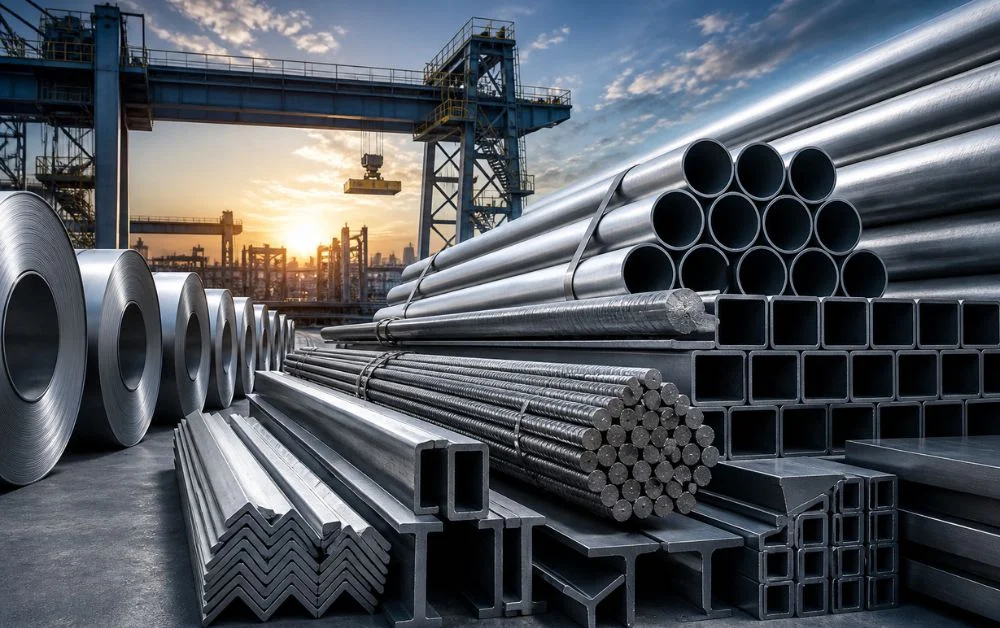
Choosing the right steel supplier in the Middle East is a decision that fundamentally affects your project’s quality, timeline, and cost. Evaluate suppliers on product range, certification standards, supply consistency, pricing transparency, logistics capability, and technical support — not on price alone. Sydney Metal Trading LLC delivers on every one of these dimensions, making it the trusted choice for contractors, developers, and manufacturers seeking a dependable Oman steel supplier and regional metal trading partner.