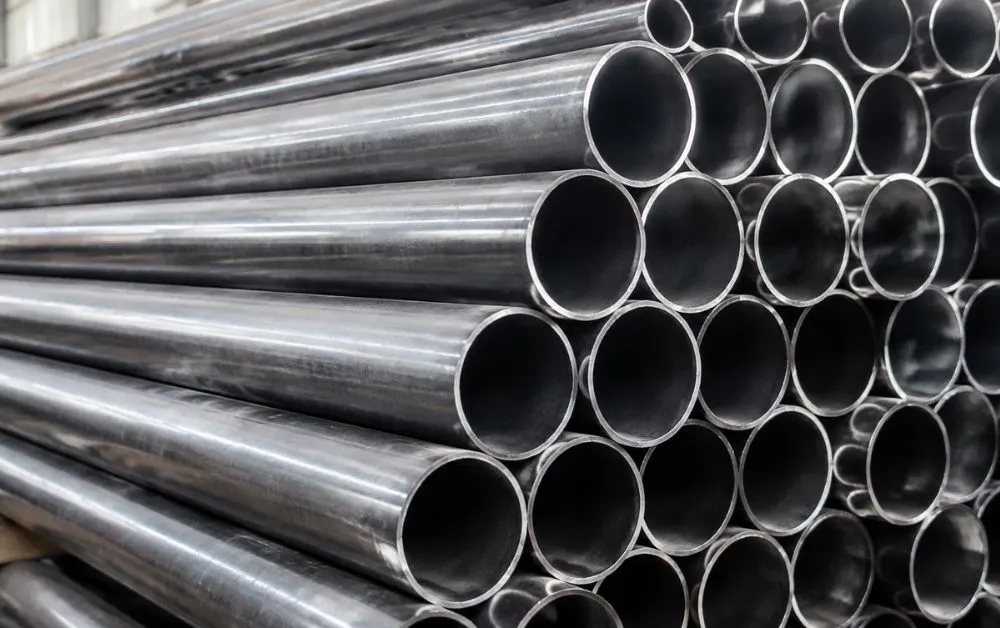
Seamless Pipes — produced by piercing a solid steel billet to form a tube without any longitudinal weld seam — are the engineering specification of choice for the UAE’s most demanding pressure, temperature, and corrosion-service piping applications. The absence of a weld seam eliminates the microstructural discontinuity, residual stress concentration, and potential failure initiation point that exist at the longitudinal weld in welded pipe, making seamless the only appropriate specification for the high-pressure oil and gas, elevated-temperature steam and process, and aggressive corrosion-service applications that are critical infrastructure in the UAE’s energy and industrial sectors.
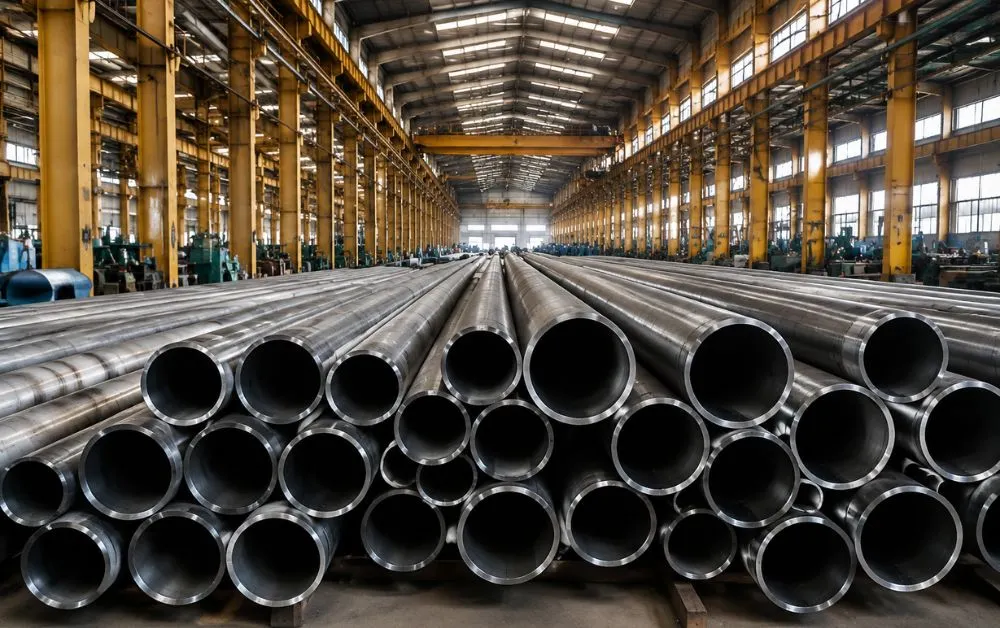
When Seamless Specification Is Required
The decision to specify seamless rather than welded pipe should be driven by engineering analysis of the service conditions rather than blanket preference. Seamless is technically required — and specified by ASME and other applicable codes — for pressure-temperature service conditions that exceed the design limits within which welded pipe can be used with full credit for its mechanical properties. API 5L line pipe specification allows welded construction for most line pipe grades, but specifies seamless or specific weld quality levels for higher grades and wall thicknesses. ASTM A106 for carbon steel high-temperature service specifies seamless construction as the standard, reflecting the elevated-temperature service conditions where weld seam behaviour under thermal cycling is a legitimate engineering concern. For UAE oil and gas piping systems operating at the elevated temperatures and pressures of processing facilities, specifying seamless to the applicable code specification is the correct engineering approach.
Primary UAE Industrial Applications
The UAE’s hydrocarbon processing sector is the dominant consumer of seamless pipes — wellhead and production manifold piping operating at high wellhead pressures; process piping in gas processing plants carrying hydrocarbon streams at elevated temperature and pressure; steam injection piping for EOR operations; and refinery process piping in high-temperature, high-pressure hydrocarbon service all require seamless construction to the applicable ASME, API, or equivalent code specification. Beyond oil and gas, seamless pipe serves UAE power generation plants in high-pressure steam service, desalination facilities in high-pressure brine and seawater circuits, and chemical plant in aggressive process chemical service where the weld seam would be a preferential corrosion site.
Find out more-Maintenance Tips to Prolong the Life of Seamless Pipes in Harsh UAE Environments
Material Grade Selection
Selecting the appropriate seamless pipe material grade requires matching the mechanical properties, temperature capability, and corrosion resistance of the material to the specific service conditions of each application. ASTM A106 Grade B carbon steel covers the majority of UAE elevated-temperature carbon steel piping service up to approximately 425 degrees Celsius. ASTM A335 alloy grades — P11, P22, P91, and others — extend the service temperature range for high-temperature steam and process applications. API 5L seamless grades serve line pipe service with specified minimum yield strengths from Grade B through X80 and beyond. Stainless steel seamless grades ASTM A312 TP316L and duplex grades serve corrosive service where carbon steel corrosion rates would be unacceptable.
Quality Assurance for UAE Procurement
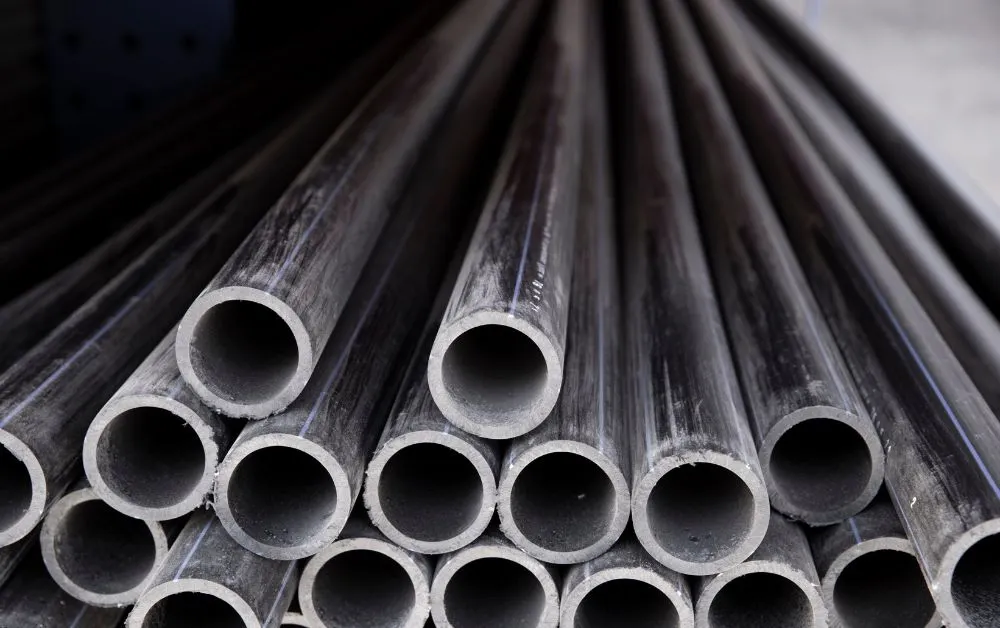
Seamless pipe procurement for UAE oil and gas and process plant applications must be supported by comprehensive material documentation that satisfies the requirements of project inspection plans and applicable code requirements. Mill test certificates confirming heat chemistry, mechanical test results for the applicable standard, hydrostatic test confirmation, and dimensional inspection results are the standard certification package. For high-criticality applications, third-party inspection at the mill — with a certified inspector witnessing heat treatment, mechanical testing, and dimensional verification — provides an additional quality assurance layer that project specifications and insurance requirements may mandate.