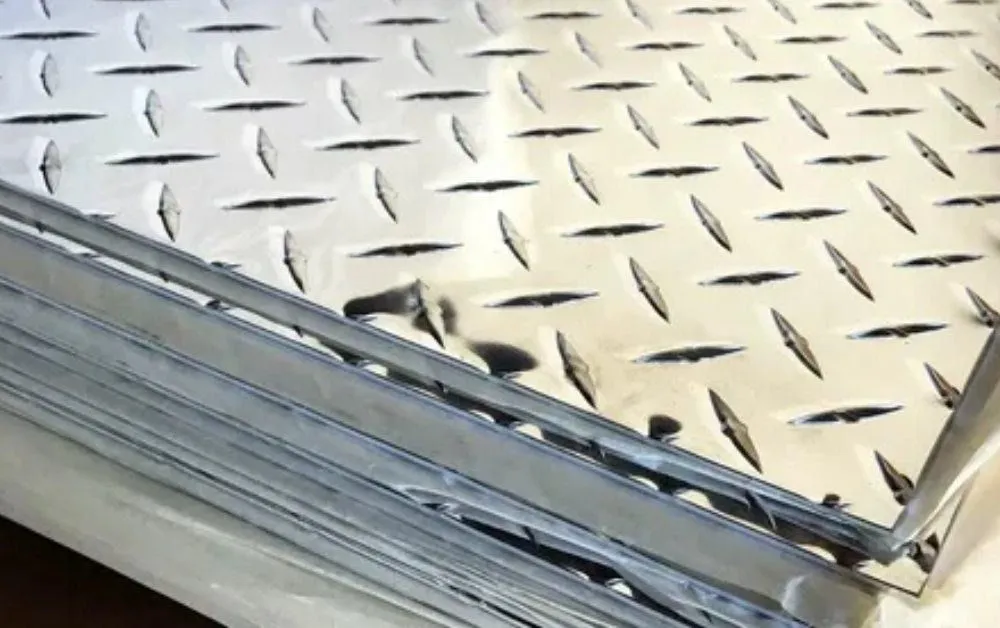
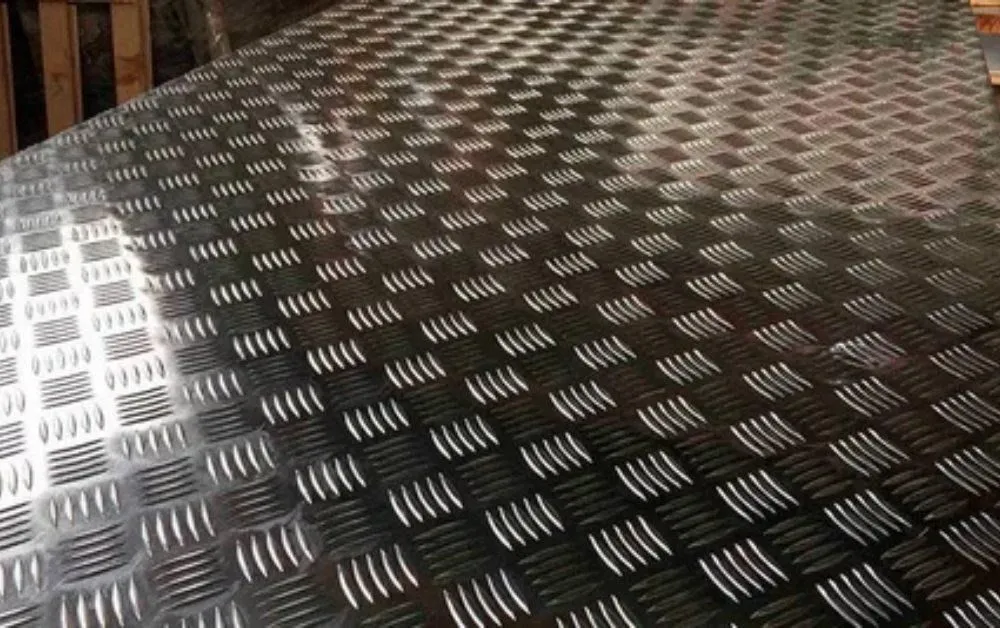
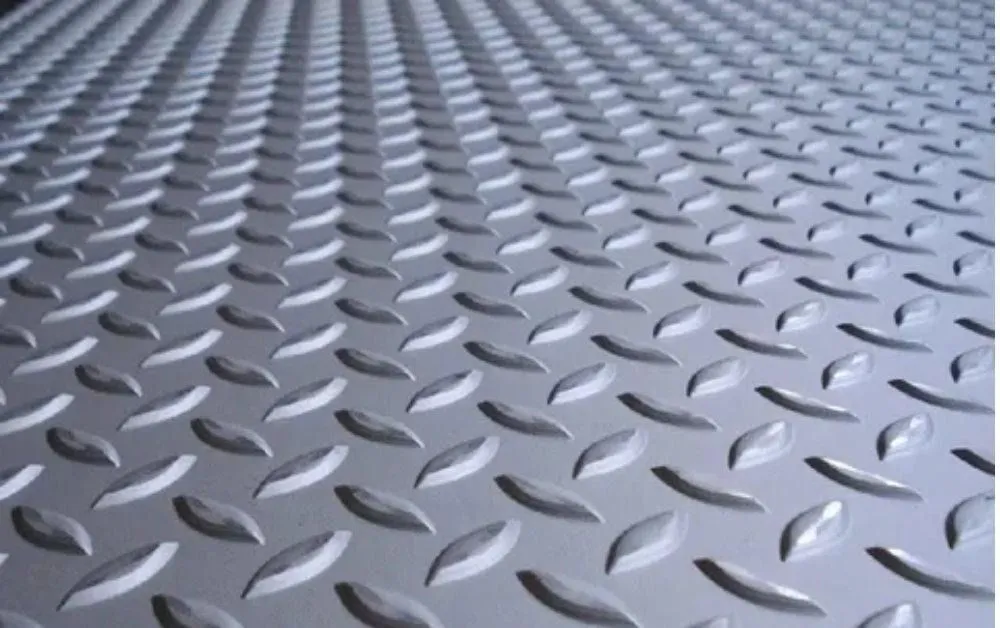
Chequered Plates are widely used in industrial, commercial, and residential applications due to their anti-slip surface and high durability. These plates, often made from steel, aluminum, or other metals, are known for their distinctive raised patterns that provide both functionality and aesthetics. Whether used in factory floors, staircases, vehicle ramps, or loading docks, regular maintenance and proper cleaning are essential to extend the lifespan and appearance of Chequered Plates.
Why Maintenance Matters
While Chequered Plates are designed to withstand heavy loads and harsh environments, neglecting their care can lead to issues such as corrosion, surface damage, or buildup of grime and debris. These problems not only reduce their visual appeal but can also compromise safety and structural integrity over time.
Steps to Properly Clean Chequered Plates
Cleaning Chequered Plates may vary depending on the type of material—whether it’s mild steel, stainless steel, or aluminum—but the overall process involves a few common practices:
1. Regular Dusting and Sweeping
One of the simplest ways to maintain Chequered Plates is to regularly remove dust, dirt, and loose debris using a broom, vacuum, or dry cloth. This prevents buildup that could lead to staining or surface scratches over time.
2. Gentle Washing
For deeper cleaning, use warm water and a mild detergent or pH-neutral cleaner. Avoid acidic or abrasive chemicals as they may corrode the metal surface. Use a soft brush or cloth to scrub along the pattern of the chequered design to remove stuck particles effectively.
3. Rinse Thoroughly
After cleaning, rinse the plates with clean water to remove any remaining soap or residue. This step is especially important for outdoor or industrial settings where residues may attract more dirt or accelerate corrosion.
Suggested Read-Safety Regulations and Standards for Using Chequered Plates in UAE Construction Sites
4. Dry the Surface Completely
Always dry the plates using a clean cloth or let them air dry fully. Standing water on Chequered Plates, especially those made of mild steel, can lead to rust and pitting over time.
5. Apply Protective Coating
To enhance durability, consider applying a protective coating like a clear sealant or anti-rust spray—especially for steel plates. This helps guard against moisture, corrosion, and wear.
6. Regular Inspection
Conduct routine inspections to identify signs of wear, rust, or structural damage. Early detection allows timely repairs, preventing further deterioration and safety hazards.
Tips Based on Material Type
- Mild Steel Plates: Prone to rust if not maintained. Use anti-corrosive coatings and store in dry environments when possible.
- Stainless Steel Plates: More resistant to rust but still benefit from routine cleaning to prevent staining or discoloration.
- Aluminum Plates: Lightweight and corrosion-resistant but can scratch easily, so use non-abrasive cleaners.
Conclusion: Trust Sydney Metal Trading LLC for Quality Chequered Plates
Proper maintenance of Chequered Plates not only ensures their longevity but also maintains safety and aesthetics in any environment. For those looking for top-quality, durable Chequered Plates, Sydney Metal Trading LLC stands out as a trusted name in the metal industry. With a commitment to excellence and customer satisfaction, they provide reliable metal solutions that meet both industrial and commercial needs.