Steel is the backbone of modern construction, manufacturing, and industrial production worldwide. But not all steel is the same — and when it comes to choosing between hot rolled plates and cold rolled sheets, the decision has a direct and significant impact on the quality, cost, and performance of your project. Both types start as the same raw material — steel billets or slabs — but the process used to shape and finish them creates products with distinctly different physical properties, surface characteristics, and practical applications. Understanding these differences clearly is the foundation of making the right choice for any steel procurement requirement.
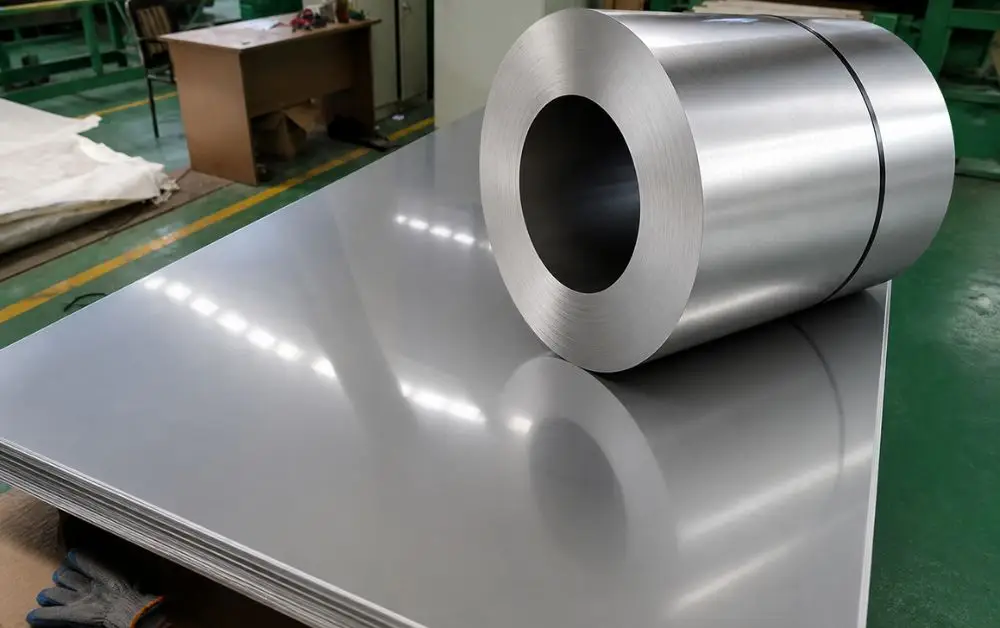
What Is Hot Rolling?
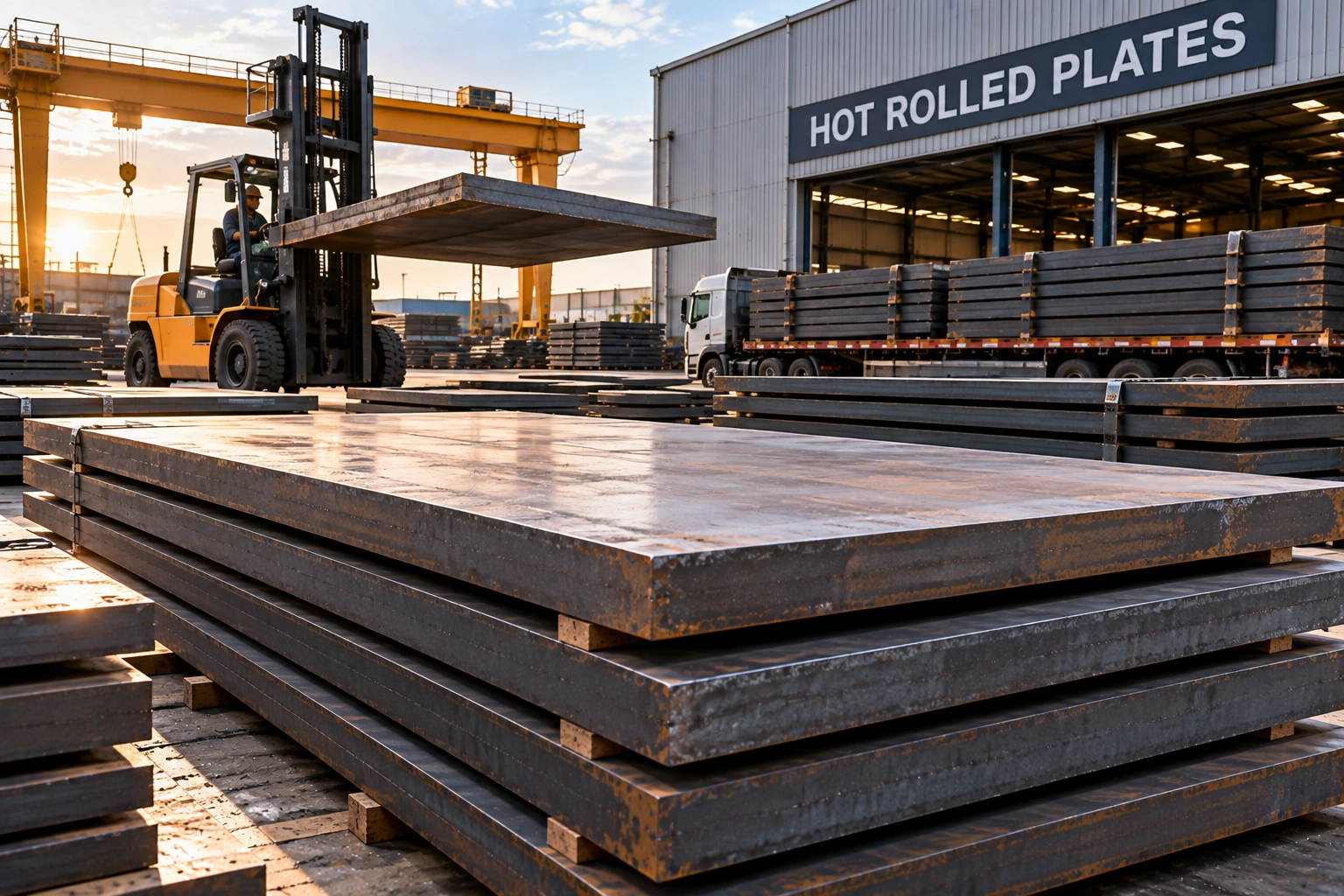
Hot rolling is a steel processing method in which raw steel is heated to temperatures above 926°C — above its recrystallization temperature — making it highly malleable and easy to shape with rolling mills. At these temperatures, steel can be pressed and formed into plates, sheets, structural sections, and bars with relatively low forces and at high production speeds. After rolling, the steel cools and contracts, which means the final dimensions of hot rolled products have wider tolerances than cold rolled products — acceptable for most heavy-duty structural and industrial applications where exact surface finish and dimensional precision are not critical requirements.
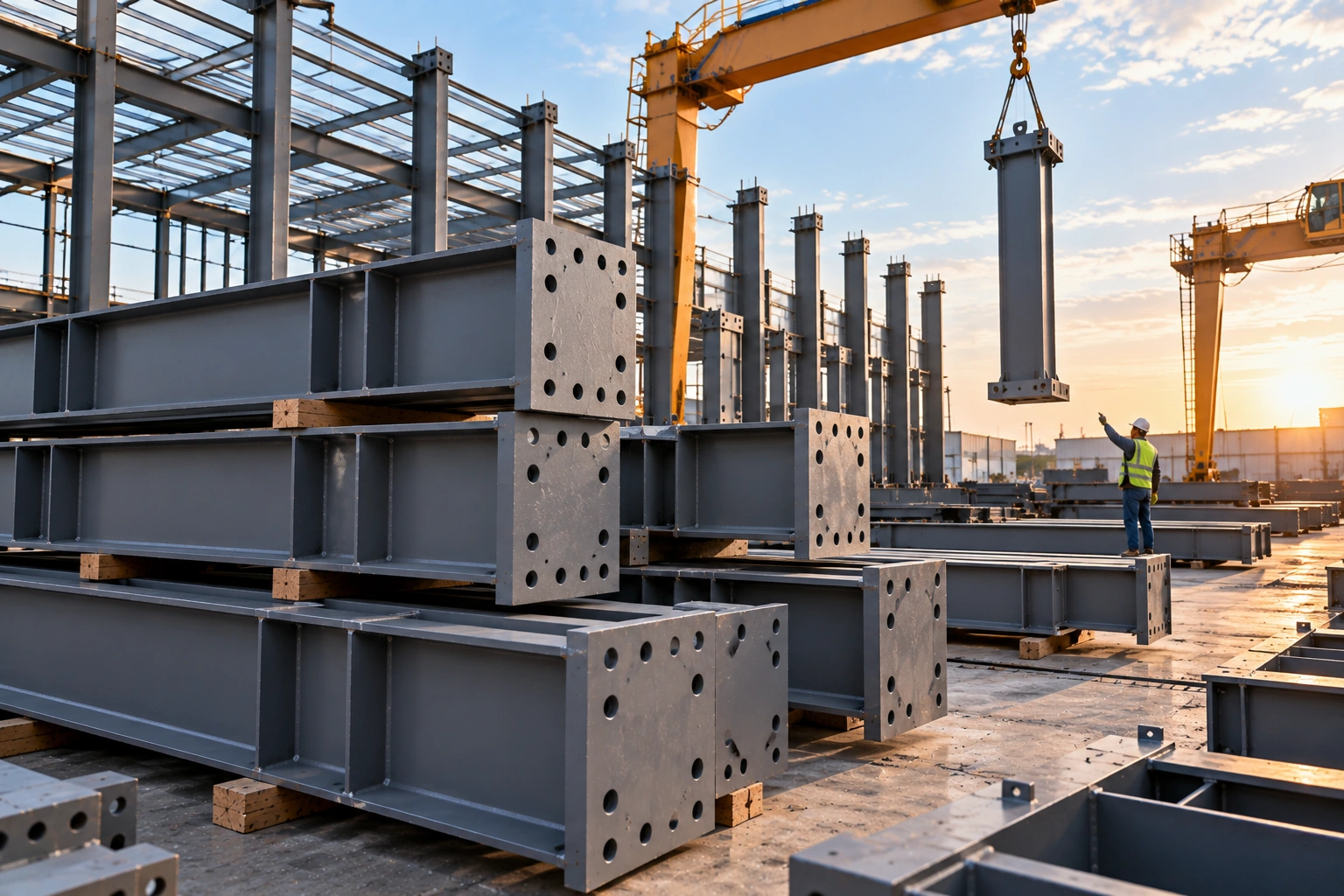
Hot rolled plates are produced in a wide range of thicknesses — from 3mm up to 150mm or more for very heavy structural applications — and are the standard choice for structural construction, pressure vessels, heavy machinery, and many fabrication applications where the steel will be further processed, welded, cut, or painted.
What Is Cold Rolling?
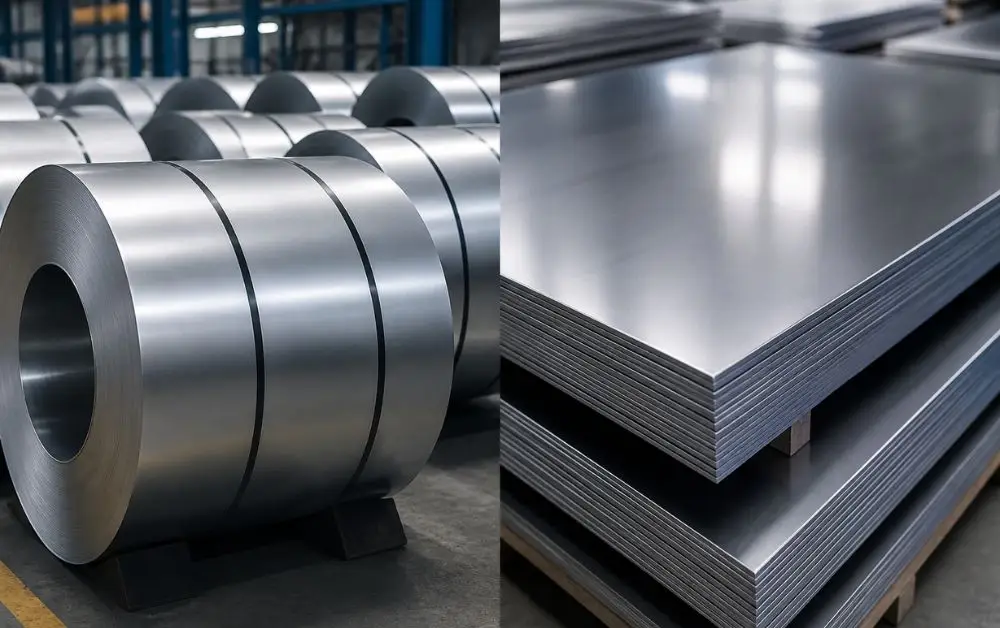
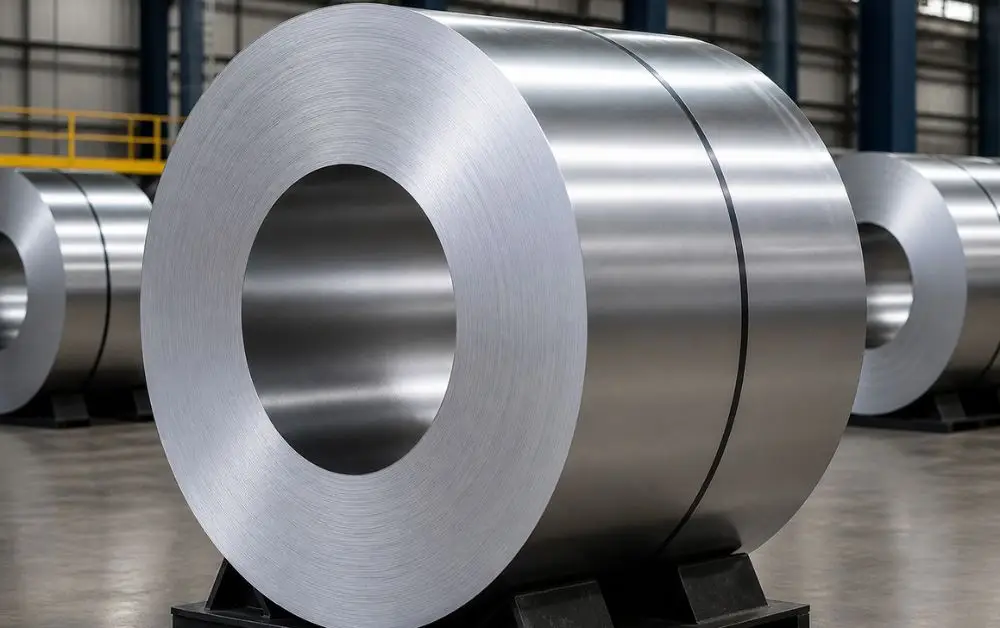
Cold rolling takes hot rolled steel and processes it further at room temperature — passing it through a series of rolling stands that compress the steel under high pressure, reducing its thickness, improving its dimensional accuracy, and creating a much smoother, cleaner surface finish than hot rolling can produce. The cold working process also introduces work hardening, which increases the tensile strength and yield strength of the steel relative to the equivalent hot rolled product.
Cold rolled sheets are typically produced in thicknesses from 0.3mm up to approximately 3mm, making them suitable for applications requiring thin, precise, and aesthetically finished steel — such as automotive body panels, domestic appliances, furniture, precision engineering components, and roofing products.
See also-Maintenance Tips for Hot Rolled Steel Plates in UAE’s Harsh Climate
Surface Finish: A Critical Difference
Hot rolled plates have a characteristic blue-grey scale on their surface — a layer of iron oxide that forms as the hot steel cools in air after rolling. This scale is rough, slightly uneven, and must be removed by shot blasting or pickling before painting or coating. The underlying surface is also not as smooth as cold rolled steel. Cold rolled sheets, by contrast, have a smooth, clean, mill-bright surface with tight dimensional tolerances — making them suitable for applications where surface appearance and paint adhesion quality are important.
Strength, Dimensional Accuracy, and Cost
- Strength: Cold rolled sheets are stronger than equivalent hot rolled material of the same thickness due to work hardening introduced during the cold rolling process.
- Dimensional accuracy: Cold rolled products are produced to much tighter thickness tolerances than hot rolled, making them the right choice for precision applications.
- Cost: Hot rolled plates are generally less expensive per tonne because the process is simpler and requires less energy than cold rolling additional processing stages.
- Thickness range: Hot rolled plates are available in much greater thicknesses for heavy structural applications; cold rolled sheets are best suited to thinner gauges.
Applications: Which Type Goes Where?
Hot Rolled Plates Are Used For:
- Structural steel frameworks for buildings, bridges, and infrastructure
- Shipbuilding, offshore platforms, and marine structures
- Pressure vessels, storage tanks, and industrial pipework
- Agricultural and heavy construction equipment
- Railway wagons, rail tracks, and rolling stock
Cold Rolled Sheets Are Used For:
- Automotive body panels, door skins, and structural stampings
- Domestic appliances including refrigerators, washing machines, and ovens
- Metal furniture, shelving, and storage systems
- Precision engineering components requiring tight tolerances
- Metal roofing, cladding, and architectural facade products
Making the Right Choice for Your Project
Choose hot rolled plates when you need thick, strong steel for structural or heavy industrial purposes and surface finish is not a primary concern. Choose cold rolled sheets when you need thinner-gauge material with a smooth, clean surface, tight dimensional tolerances, and higher tensile strength for precision or consumer-visible applications. Sydney Metal Trading LLC supplies both hot rolled plates and cold rolled sheets across a comprehensive range of thicknesses, widths, and grades, with full mill certification and expert guidance on material selection for every project type and requirement.
Conclusion
Hot rolled plates and cold rolled sheets each have clearly defined strengths that make them the optimal choice for their respective applications. Understanding the differences in surface finish, dimensional accuracy, strength, and cost allows you to select the right material with confidence. Sydney Metal Trading LLC provides both products to clients across the Middle East, backed by quality documentation, competitive pricing, and the technical expertise to ensure every project gets exactly the right steel.